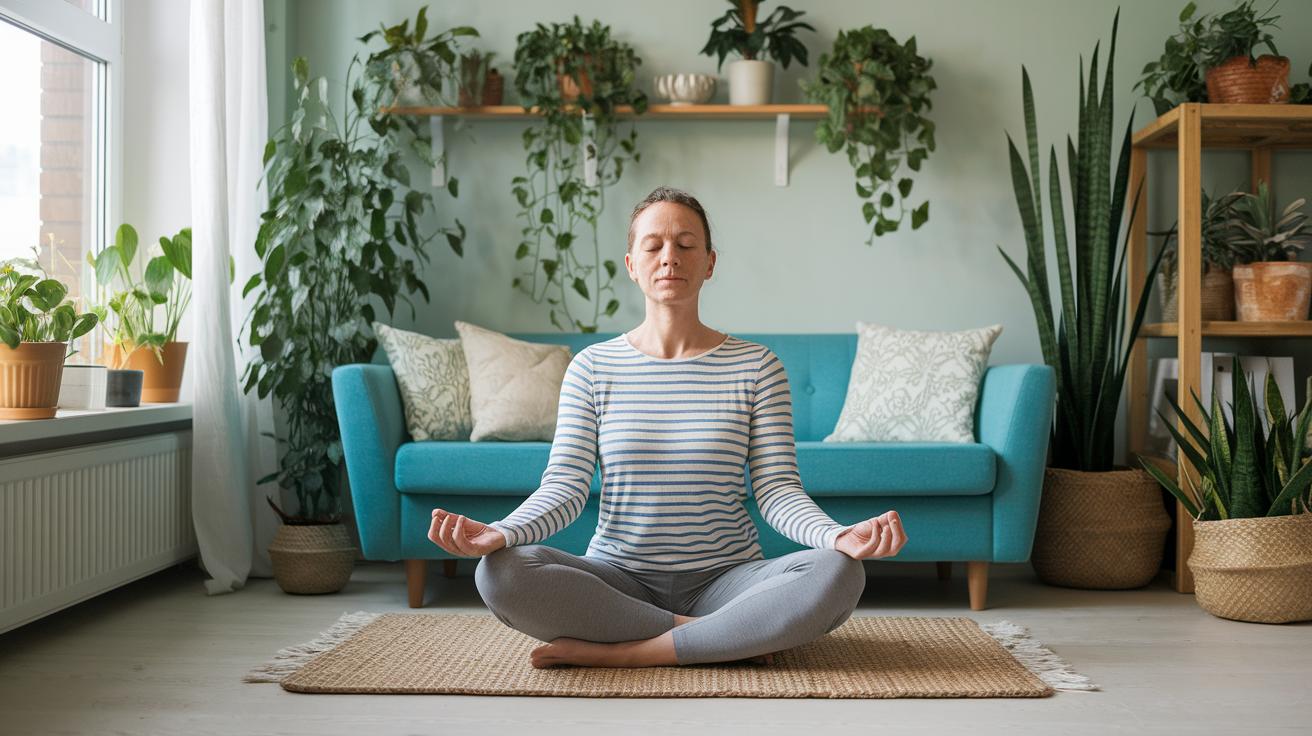
Ever notice how stress can sneak into your day, making your heart race and your blood pressure spike? That tight feeling isn’t something to ignore. Try taking a few deep, mindful breaths, like giving your heart a little break, to ease that pressure. Imagine pausing for a moment here and there, letting your heartbeat find a softer rhythm. In this chat, we’re sharing simple, stress-busting tips that can help calm your mind and lower your blood pressure. Ready to add a few small changes that might make a big difference in your day?
Top Stress Management Techniques to Lower High Blood Pressure
High blood pressure happens when blood pushes hard against your artery walls over time. Sometimes it builds up slowly (that’s primary hypertension), while other times it’s triggered by something else like kidney problems or hormone imbalances (secondary hypertension). When you’re stressed, your body releases chemicals like cortisol and adrenaline to get you ready for action, and that makes your heart beat faster and your blood pressure rise. Fun fact: A famous heart doctor once found that doing a simple daily meditation really helped lower his high blood pressure.
Stress is a big deal because it can keep your heart working overtime. When your stress hormones stay up for too long, your heart has to keep pumping hard, which over time might weaken it and even hurt your blood vessels.
Here are some simple, effective ways to keep stress in check and help ease that pressure:
- Mindfulness: Try meditations like a body-scan or mindful breathing. They gently lower your stress chemicals.
- Relaxation: Little activities such as listening to calm sounds or following a guided imagery session can help you unwind.
- Quick Anxiety Relief: Simple deep breathing can keep sudden stress from spiking your blood pressure.
Mix these habits into your day-to-day life. Even spending a few minutes each day on these methods can ease the strain on your heart, helping you feel more at peace and healthy in the long run.
Mindfulness and Meditation Practices for Hypertensive Stress Relief
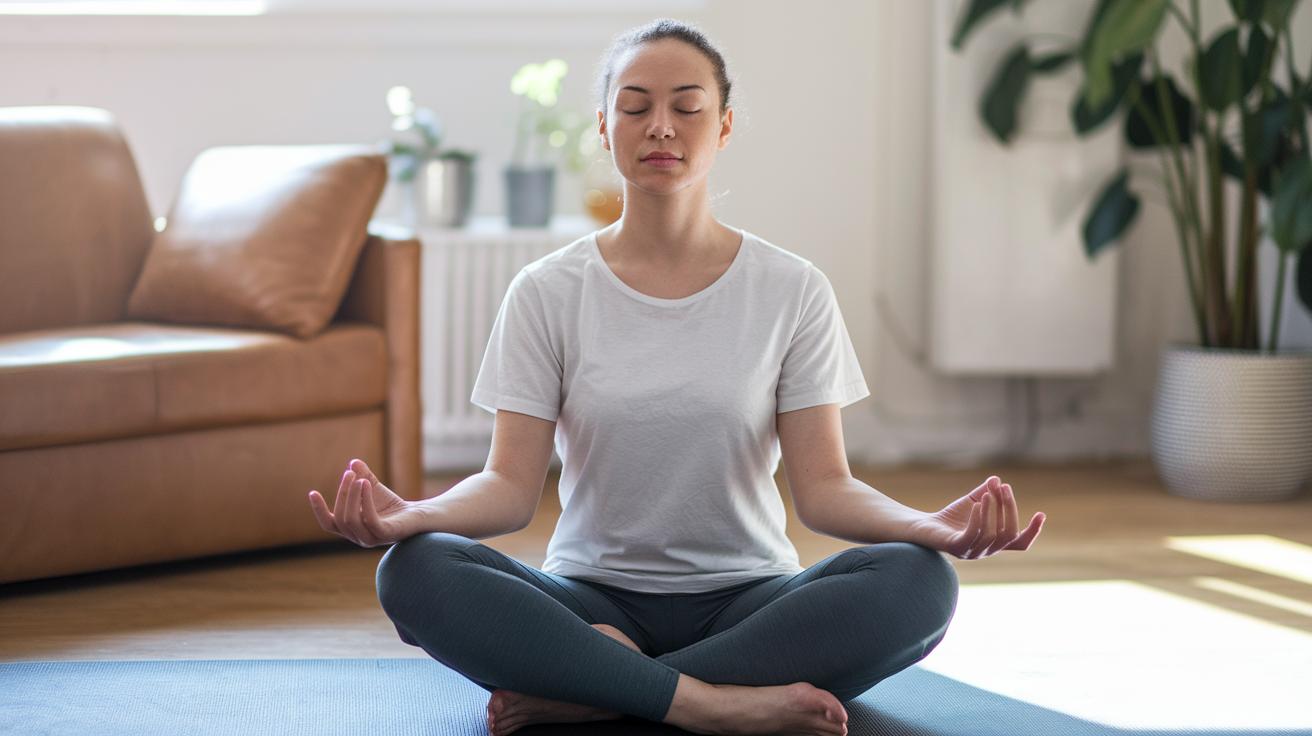
Start with a body-scan meditation. Get comfortable, close your eyes, and slowly focus on each part of your body. Begin at your toes, feel any tingling or tight spots, then work your way up through your legs, hips, and all the way to your head. Let each area relax as you go.
It turns out regular practice like this can really help lower stress hormones and even reduce blood pressure. I mean, one study showed daily body-scan meditation dropped stress hormone levels by up to 20% in just a few weeks. Pretty cool, right?
Next, try a guided imagery exercise. Picture yourself in a calming place, a gentle stream or a quiet garden, maybe. Really tune in to the colors, textures, and soothing sounds around you. Let your mind wander away from everyday worries.
This simple visualization is more than just daydreaming. Research links it to lower adrenaline and better heart rate control. Imagine sitting by a quiet brook, feeling a light mist on your face and hearing a soft gurgle, it's like a mini escape for your nerves.
Now, give deep breathing meditation a go. Inhale slowly through your nose, picture your stomach filling up like a balloon. Hold your breath for a few seconds, then exhale gently through your mouth, watching that balloon slowly deflate.
Doing this regularly can help keep your stress in check and support a balanced blood pressure. A handy tip? Carve out a few minutes each day, at the same time, to practice these techniques.
For more guidance, check out this resource: Guided Mindfulness Meditation Scripts.
Controlled Breathing Routines to Ease Circulatory Stress
Ever feel like your heart’s racing from stress? Controlled breathing can really help smooth out those jolts in your blood pressure. Try diaphragmatic breathing first, imagine taking a deep breath that fills your belly like a soft cushion, then slowly letting the air out. It’s a simple trick that tells your body to chill.
Then there’s the 4-7-8 technique. Breathe in steadily through your nose for 4 seconds, hold for 7 seconds, and exhale slowly through your mouth for 8 seconds. Think of it as setting your own gentle rhythm to slow your heart and ease stress.
You might also love alternate nostril breathing. Close one nostril lightly, take a deep breath through the other, switch, and then breathe out. This neat little method helps balance your breath and gives your body a natural equilibrium.
Just 5 to 10 minutes a day of these exercises can lower stress hormones, boost blood vessel flexibility, and steady your blood pressure. It’s a calm moment you can savor, giving you a little time to reconnect with yourself.
Physical Activity Routines for Reducing Vascular Tension
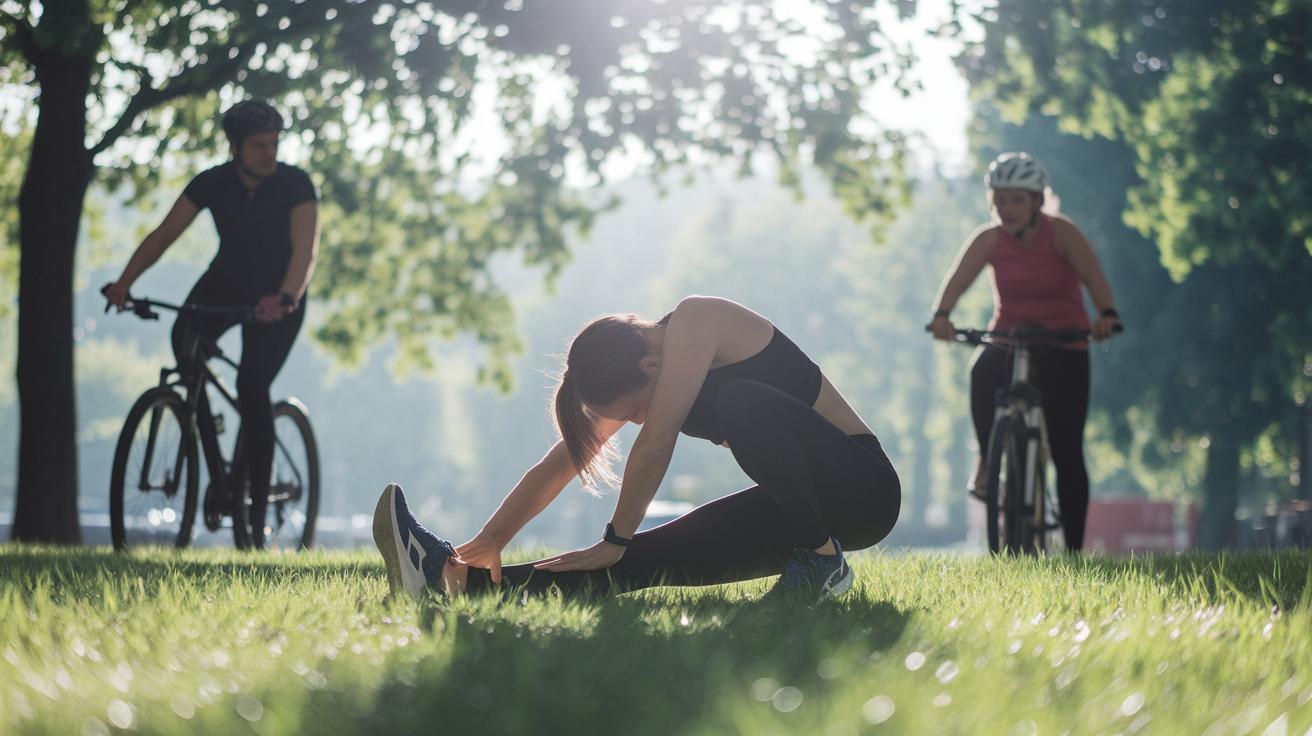
There's something truly refreshing about a brisk walk, a swim, or a bike ride. These activities not only help ease the tension in your blood vessels but also bring balance to your stress hormones while giving your heart a gentle workout. Fun fact: just a 30-minute walk can leave you feeling noticeably calmer and might even help lower your blood pressure right away. Experts like the American College of Sports Medicine recommend about 150 minutes of moderate exercise each week, splitting it up can really make it feel manageable.
Before you dive into your favorite workout, try warming up with some dynamic stretches. Simple moves like leg swings and arm circles can ease tight muscles around your blood vessels. This extra little step gets your body ready and helps smooth out those post-exercise aches.
Mixing up your routine by adding calming exercises can keep things enjoyable and effective. Perhaps you might swim one day and cycle the next, it’s a great way to keep your workouts interesting while supporting healthy arteries. Regular exercise combined with smart stretching is a wonderful recipe for reducing stress, nurturing your heart, and embracing a more relaxed, energetic you.
Lifestyle and Dietary Adjustments for Pressure Normalization
Begin by choosing foods that care for both your heart and mind. One great option is the DASH diet, which fills your plate with fruits, veggies, whole grains, and lean proteins while keeping sodium under 1,500 mg each day. Picture a fresh, colorful salad paired with some grilled chicken – a tasty way to help ease pressure on your blood vessels.
Next, think about adding foods that naturally lower stress hormones like cortisol. Omega-3 fatty acids, found in salmon and fatty fish, work like a gentle massage for your arteries. And foods rich in magnesium – think spinach, almonds, and walnuts – can help relax your vessels and support overall heart health. Swap out a salty snack for a handful of these nuts; it’s a small change that can really make a difference over time.
Mindful eating is all about enjoying what you eat as much as what you eat. Try sitting down at your table without distractions so you can truly savor each bite. This practice not only boosts your enjoyment but also helps reduce stress, much like pausing to appreciate the warm aroma of freshly baked bread.
Finally, limiting caffeine and alcohol plays an important role too. Both can raise stress hormones and put extra pressure on your body. Even slight shifts in your daily drink choices can help your heart feel more relaxed, paving the way for long-term balance.
Cognitive and Behavioral Therapies Calming Nervous Tension
Cognitive Behavioral Therapy
Cognitive Behavioral Therapy, or CBT, helps you look at stressful triggers in a fresh way. Instead of letting a tight deadline or a tough conversation bring you down, you learn to see them through a more relaxed lens. It’s like turning on a warm light in a dim room, you suddenly notice details that help ease the pressure. One person might think, "I feel overwhelmed," and then remind themselves, "I have what I need to handle this." This simple shift can even help lower your blood pressure by calming your body naturally.
Progressive Muscle Relaxation
Progressive muscle relaxation is a step-by-step way to ease your body. Start with your feet, squeeze those muscles for a few seconds, then let go and feel the relief. Slowly work your way up through your legs, tummy, arms, and face. Research shows that this method can drop systolic blood pressure by a few millimeters of mercury. Just remember: squeeze, hold, and gently release, letting a soft wave of calm travel through you.
Guided Imagery and Biofeedback
Guided imagery invites you to imagine a peaceful place, maybe a quiet beach or a gentle forest. As you picture this calm scene, biofeedback tools can show you real-time signs of relaxation, like a small dip in blood pressure. It’s a neat blend of mind and body working together, giving you instant feedback on how relaxed you’re becoming.
Building an Integrated Wellness Plan for Arterial Equilibrium
Take the best of what you learned about meditation, deep breathing, exercise, and eating mindfully to build a routine that feels like your own personal harmony. Each habit is like a musical note, together they create a soothing melody that relaxes both your body and your mind. I once experienced this firsthand: after a calming meditation, a lively walk, and a healthy, vibrant meal, I felt a wave of calm energy reset my focus for the day.
Remember the handy tips we shared about meditation, aerobic exercises, and meals inspired by DASH? Use those ideas as a guide to craft a daily plan that’s uniquely yours, no need to repeat all the details, just make it fit your lifestyle perfectly.
Final Words
In the action, you explored ideas to ease high blood pressure through mindful meditation, controlled breathing, regular physical activity, thoughtful nutrition, and cognitive strategies. Each tip works together to craft a plan that turns daily routines into opportunities for calm. These stress management techniques for high blood pressure combine simple habits that nurture body and mind into a path toward well-being. Enjoy putting these practical changes into play, knowing each step sets the stage for a more relaxed and fulfilling lifestyle.