Have you ever thought a simple supplement might help you feel more relaxed? Many of us believe that only strong medications can ease stress, but sometimes nature has just the right fix. Imagine magnesium quietly softening your muscle tension and ashwagandha gently soothing your nerves so you can drift off to a peaceful sleep. In this chat, we'll break down how these natural stress relievers work, backed by genuine research and easy steps you can try at home. What if a calmer life is closer than you think?
Stress Relief Supplements Overview: Top Options, Benefits, and Evidence
Living with constant stress can mess with your sleep and mood, and even sap your energy. Over time, stress can weaken your immune system and leave you feeling overwhelmed. But adding a few targeted supplements to your routine might just give your body the natural boost it needs to relax and reboot.
Magnesium helps relax your muscles and steady your nerves. Research suggests that taking 200–400 mg each day can lower your stress levels. Ashwagandha, another great option, has been shown to reduce cortisol (your stress hormone) by about 28% over 60 days, supporting a calmer frame of mind. Rhodiola Rosea can sharpen your focus and ease tiredness, which helps you handle stress better. L-Theanine promotes a state of calm alertness without turning you sleepy, so you stay relaxed yet awake. B Vitamins play a role in producing the brain chemicals that stabilize your mood and boost energy. And melatonin, known for improving sleep quality, indirectly helps manage stress by keeping those stress hormones in check.
Clinical studies back up these findings. For example, trials have shown that magnesium can significantly reduce perceived stress, while Ashwagandha taken at 300–500 mg a day can lower cortisol levels, leading to a more balanced state of mind. Together, these supplements offer a well-rounded approach to keeping your body balanced during stressful times.
Mineral Stress Relief Supplements: Magnesium Benefits and Usage
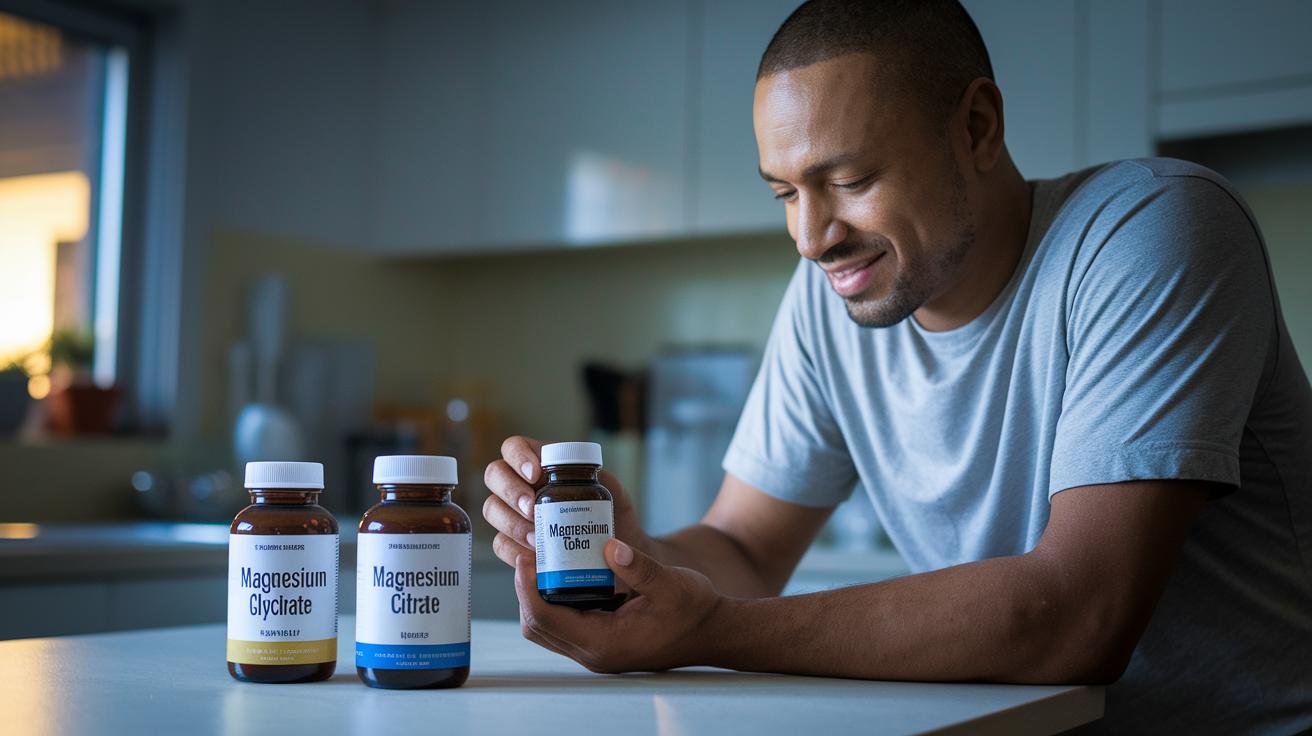
Magnesium is a real powerhouse, playing a key role in over 300 different body functions. This amazing mineral makes your muscles relax and helps calm your nerves by boosting the essential work your cells need to do. It’s all about keeping your nerves happy and your muscles moving smoothly.
There are plenty of magnesium types available, but two of the most popular are magnesium glycinate and magnesium citrate. Magnesium glycinate is super gentle on your stomach and works well with B vitamins to ease stress. Typically, a dose of 200–400 mg in the afternoon or early evening helps maintain a relaxed balance without making you feel drowsy. Some people might notice a little tummy upset at first, but that usually settles down with regular use. On the other hand, magnesium citrate absorbs quickly, though it can sometimes make your digestion a bit more sensitive.
Studies have shown that magnesium glycinate can really help lower stress. One study even found that when paired with B vitamins, it made people feel calmer and improve their mood. This evidence backs up its role as a trusted supplement for easing stress naturally.
Adaptogenic Herbal Stress Relief Supplements: Ashwagandha, Rhodiola, and More
Ashwagandha is an amazing herb that’s been cherished in Ayurvedic tradition for its calming benefits. When taken daily in doses of 300–500 mg of the root extract, it can lower stress hormones (cortisol) by nearly 28% in just 60 days. Many people have found that it helps smooth out sleep quality and keeps mood steady without making you feel drowsy. And while some research hints that it might also help balance thyroid function, it’s smart to check in with your healthcare provider if you have any thyroid or autoimmune issues. I once heard a story about someone who started taking Ashwagandha at night and woke up feeling surprisingly refreshed the next morning.
Rhodiola Rosea is another herbal champion, often standardized to 3% rosavins, that helps clear mental fuzz and keeps you sharp all day long. A daily dose of 200–600 mg has been linked to improved focus and less physical fatigue, making it a great pick during those long work hours or after a tough workout. Over time, it can even boost endurance and mental performance. Imagine gearing up for a big day and feeling that extra burst of energy and clarity, Rhodiola might just be your secret ally.
Anxiety and Mood Balancing Stress Relief Supplements: L-Theanine, B Vitamins, and Melatonin
L-Theanine
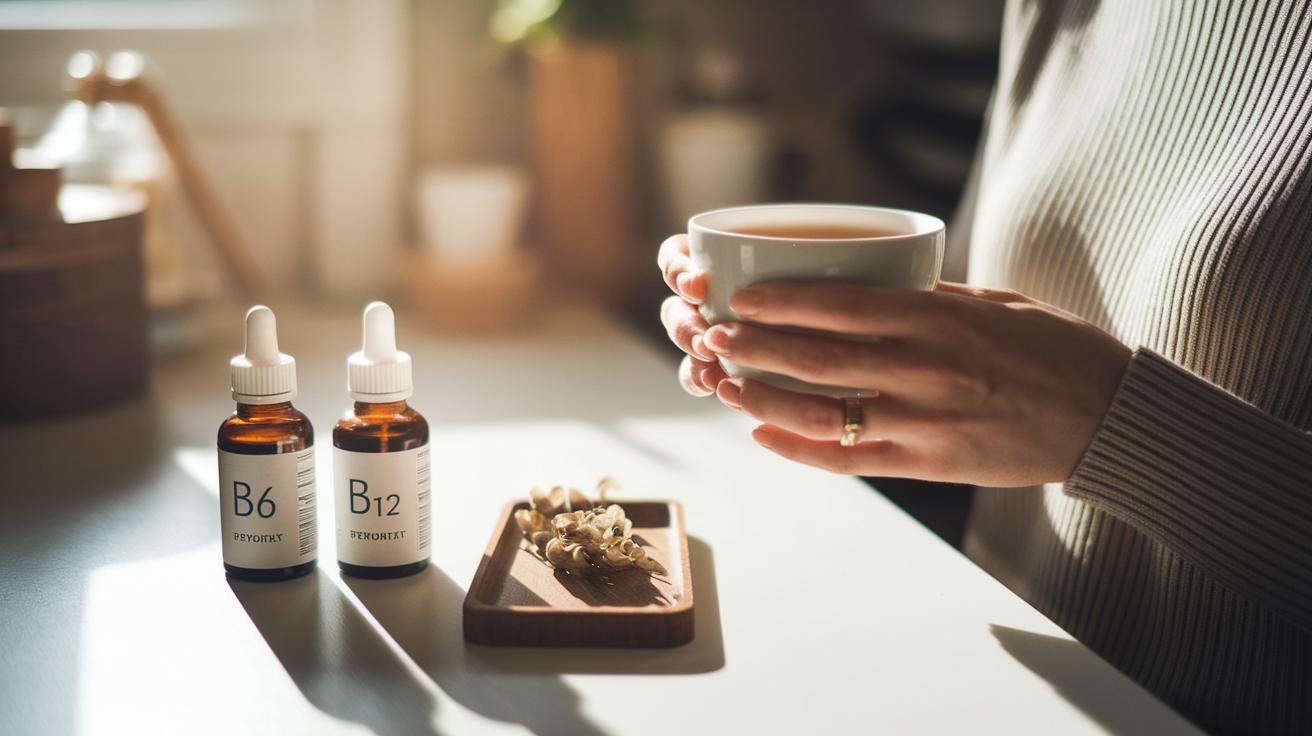
L-Theanine is an amino acid found in green tea that helps boost your brain's alpha waves by balancing GABA (a calming chemical) and dopamine (a feel-good messenger). Taking about 100–200 mg each day can leave you feeling calm and clear-headed. Imagine it like enjoying a warm cup of tea that not only relaxes you but also keeps your focus sharp.
B Vitamins
B vitamins, especially B6 and B12, play a key role in creating serotonin and dopamine, which help manage your mood and energy. A typical dose may be around 50 mg of B6 and 500 mcg of B12 to keep your stress levels in check when you need an extra boost. Think of these vitamins as quiet partners working behind the scenes to keep your mood steady during even the busiest days.
Melatonin
Melatonin is best known for improving your sleep quality, which can help lower stress hormones like cortisol and balance your mood. A dose between 0.5–5 mg before bed is usually enough to help you drift off quickly and wake up refreshed. Picture it as gently guiding you into a peaceful sleep, so you can start your day feeling ready to take on anything.
Choosing and Using Stress Relief Supplements Safely
Before you add any stress relief supplement to your routine, have a quick chat with your healthcare provider and read the labels closely. This little step can help you dodge any surprises, especially if you’re already on other medications that might not mix well. For example, magnesium might mess with some antibiotics, and melatonin isn't really meant for teens. Keeping to the suggested dose and making sure the supplement isn't habit forming is a smart move.
Take a look at this simple table that lays out five popular supplements, their usual dosages, and some common side effects:
| Supplement | Typical Dosage | Common Side Effects |
|---|---|---|
| Magnesium | 200-400 mg/day | Mild GI upset |
| Ashwagandha | 300-500 mg/day | Stomach upset |
| Rhodiola Rosea | 200-600 mg/day | Slight dizziness |
| L-Theanine | 100-200 mg/day | Headache |
| B Vitamins | B6: 50 mg; B12: 500 mcg | Mild nausea |
When you’re shopping for supplements, stick with reputable brands that do third-party testing for purity. This extra step gives you that added peace of mind as you build a safe, science-backed stress management plan.
User Experiences and Expert Insights on Stress Relief Supplements
One user discovered that just 10 days of taking Ashwagandha transformed hectic days into calmer, more balanced moments. They shared, "I felt calmer and more centered even on busy days," showing how natural stress aids can gently ease daily pressures.
Another person noticed that adding L-Theanine along with a few simple lifestyle tweaks helped improve their sleep and melt away tension, making after-work evenings feel much more peaceful. They said, "These natural aids eased my tension and helped me sleep soundly," proving these supplements really make a difference.
An expert nutritionist explained that pairing magnesium with B-complex vitamins creates a strong, combined effect during stressful times. Plus, a 2019 meta-analysis confirmed Rhodiola's ability to cut down burnout, reinforcing that these natural options are backed by solid research and professional advice.
Final Words
In the action, we explored the role of supplements in easing daily tension and promoting calm. We looked at magnesium’s benefits, the power of adaptogenic herbs like Ashwagandha and Rhodiola, and how L-Theanine, B vitamins, and melatonin can support a balanced mood and sleep routine. Research-backed data gave us insight into ideal dosages and safe use. Embracing stress relief supplements can offer a practical and stylish boost to your day, keeping life feeling effortlessly chic and full of promise.
FAQ
Supplements for stress, anxiety and depression
The stress relief supplements for stress, anxiety, and depression combine magnesium, adaptogenic herbs, L-theanine, and B vitamins to help relax muscles, balance brain chemistry, and support overall mood, as backed by clinical research.
What are the best vitamins for stress and anxiety?
The best vitamins for stress and anxiety are B-complex vitamins. They help create key brain chemicals for mood support, easing tension and providing a natural boost in resilience against everyday stress.
What stress relief supplements work well for both men and women?
The stress relief supplements that benefit both genders include magnesium, L-theanine, and B vitamins for a calming effect. Women often find adaptogens like ashwagandha beneficial, while men may appreciate the energy balance from Rhodiola.
Where can I find stress relief supplements near me?
The local stress relief supplements are accessible at health food stores, pharmacies, or trusted online retailers. Look for brands with transparent ingredients and third-party testing for quality assurance.
Are there stress relief supplements available without ashwagandha?
The ashwagandha-free stress relief options feature alternatives like magnesium, L-theanine, and B vitamins that naturally support nerve health and promote relaxation without relying on adaptogenic herbs.
What is the best supplement to relieve stress?
The best supplement to relieve stress often includes magnesium paired with key vitamins and adaptogens. It helps lower cortisol levels and supports muscle and nerve relaxation, leading to a more balanced mood.
How can I relieve stress quickly?
The quick stress relief methods involve short mindfulness practices, like deep breathing or a brisk walk, paired with supplements such as L-theanine which supports a calm yet alert mind in moments of tension.
Is ashwagandha or magnesium better for anxiety?
The ashwagandha and magnesium each offer unique benefits: ashwagandha lowers cortisol levels, while magnesium relaxes muscles and nerves. Their combined use can be more effective than choosing one alone for anxiety support.
How can I reduce stress and anxiety?
Reducing stress and anxiety involves a holistic approach, using natural supplements, regular physical activity, and relaxation techniques. This blend of lifestyle changes helps maintain balanced mood and overall well-being.