Ever wonder why your heart skips a beat even when everything seems fine? It could be stress or anxiety. They might sound similar, but they really aren’t. Stress usually shows up when life throws you a clear challenge, like handling a big project or racing against a deadline. Anxiety, though, can creep in even when you’re relaxed. This post helps you spot the little clues each one sends so you can care for yourself early on. Keep reading to learn how to tell them apart and feel your best.
Stress vs Anxiety Explained: Causes, Symptoms, and Treatment Options
Stress happens when life throws challenges your way, a big deadline, money worries, or a tough chat with someone you care about. Your body responds by releasing hormones like cortisol and adrenaline, which make your heart beat faster and get your blood pumping. Ever feel your heart race and palms get sweaty before a big test? That’s stress working its survival magic, usually fading away once things calm down.
Anxiety, on the other hand, tends to stick around longer and can show up without a clear reason. It might be stirred up by your surroundings, your genetics, or little shifts in your brain’s chemistry. Along with fast breathing, a queasy stomach, or a heart that skips a beat, you might notice numbness or tingling in your hands and feet. Imagine feeling that quiet, persistent worry on what should be a peaceful day, that’s anxiety quietly taking hold.
Though stress and anxiety can feel similar, they come from different places. Stress is usually a reaction to a clear situation, while anxiety can bubble up from within even when nothing obvious is going on. When these feelings start to disrupt your daily life, it might be time to talk to a professional. Simple changes like regular exercise, deep breathing, or a chat with a trusted therapist can make all the difference. Listen to your body and take steps to care for yourself, it’s a key part of feeling better and staying in control.
Stress Triggers vs Anxiety Catalysts
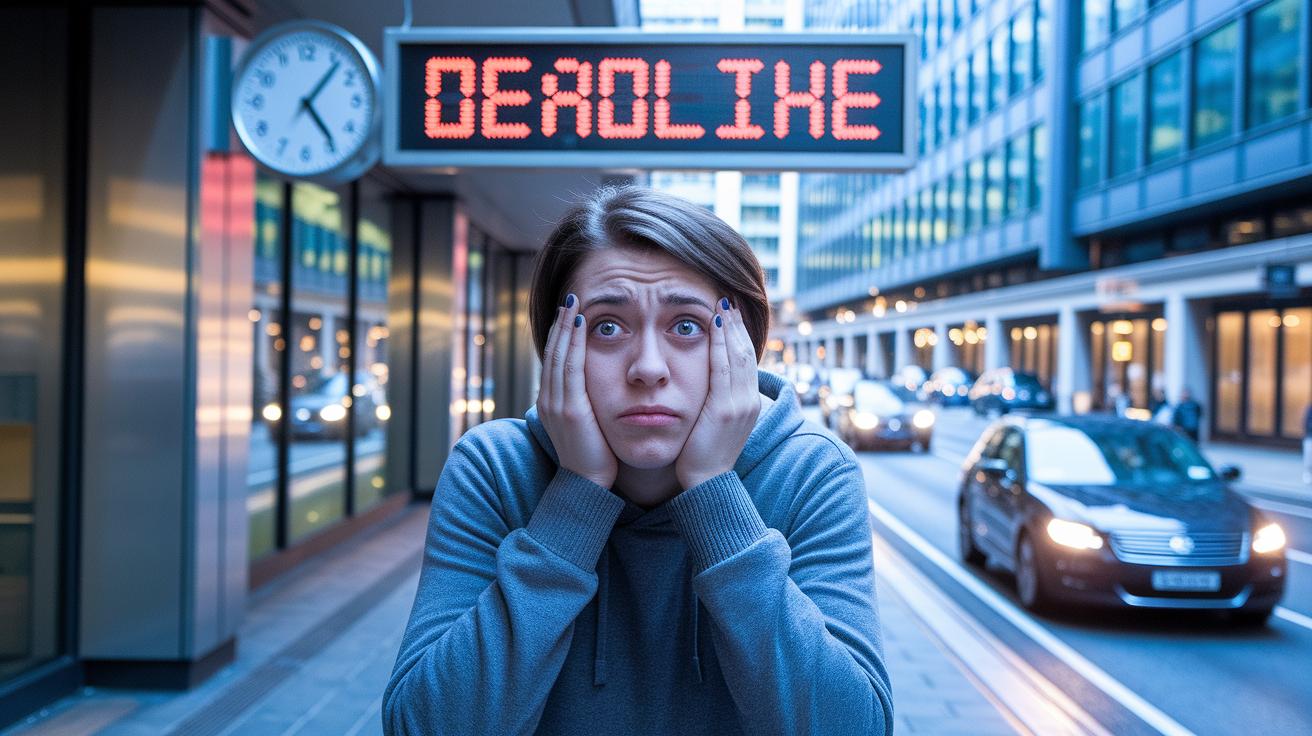
Stress triggers come from clear, outside events, like getting stuck in heavy traffic or facing that urgent deadline, that make your body react in a flash. In those moments, hormones like cortisol and adrenaline kick in, often making your heart race and your palms get sweaty. Ever notice that rush when you’re hustling to meet a deadline, only for the burst of energy to fade almost as quickly as it came?
On the flip side, anxiety catalysts usually stem from inside factors such as a genetic tendency or a slight chemical imbalance in your brain. Even on a regular day, little background noises, like the gentle hum of a nearby street, can build up into a lingering worry without any clear cause. Imagine sitting on a calm afternoon and suddenly feeling an unexplained wave of unease that leaves you wondering what’s really going on.
Comparing Physical and Emotional Symptoms of Stress vs Anxiety
Stress shows up in your body in ways that are hard to miss. You might feel your shoulders tighten like a firm band, get headaches, or even have an upset stomach when things pile up. Sometimes you notice a quick burst of energy or a racing heartbeat that leaves you feeling jittery. I remember one long day when my neck was in knots until a soothing massage eased the tension. Usually, these signals come from outside stressors like a looming deadline or a heated conversation.
Emotionally, stress can make you feel snappy, frustrated, or like you’ve lost that spark of confidence you normally carry. Anxiety, on the other hand, fills your mind with constant worry and a feeling of dread. It can make focusing really hard and even lead to memory slips. Ever sit quietly and suddenly feel overwhelmed by a wave of unease without knowing why? It’s like your thoughts are running wild, making even simple tasks feel impossible.
| Type | Stress | Anxiety |
|---|---|---|
| Physical | Muscle tension, headaches, high blood pressure, upset stomach | Chest pain, sweating, chills, tingling, breathing difficulties, memory lapses |
| Emotional | Irritability, anger, loss of confidence | Persistent apprehension, dread, difficulty concentrating |
Biological Mechanisms of Stress vs Anxiety
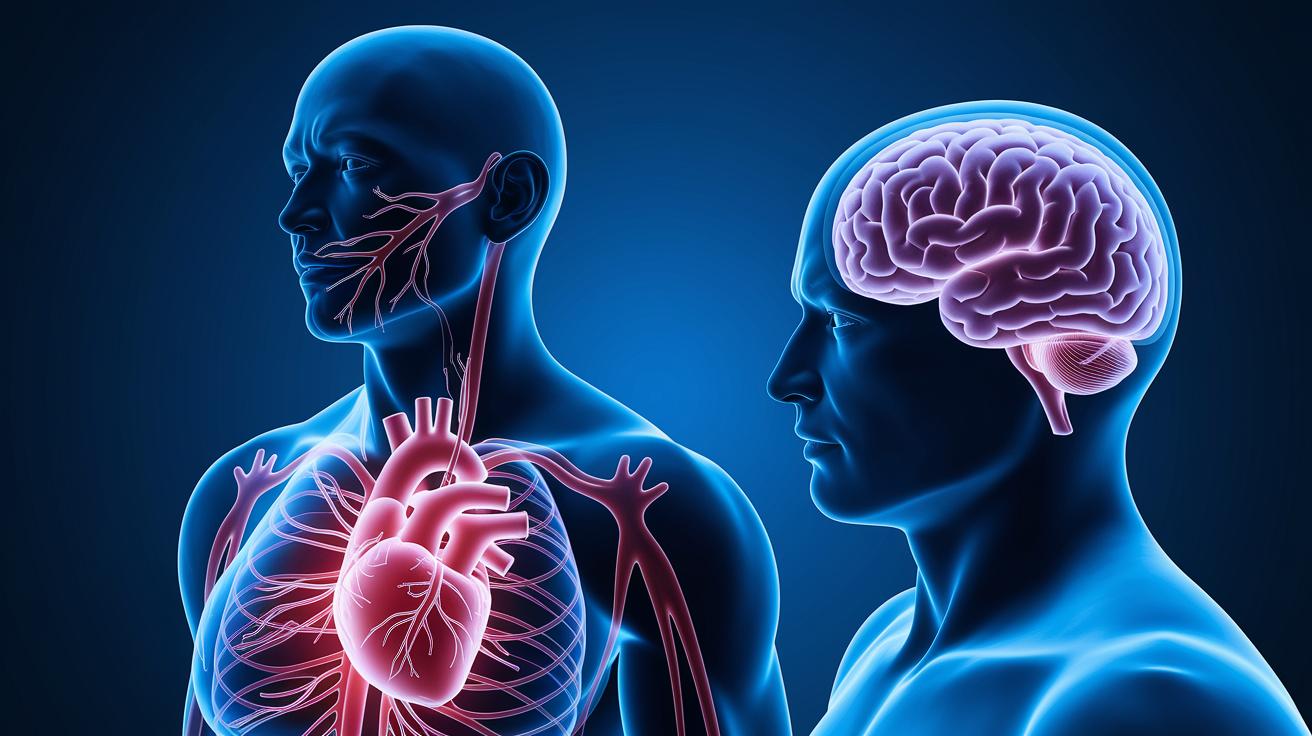
When a tough situation hits, your body jumps into gear with its classic fight-or-flight response. Hormones like cortisol and adrenaline are instantly released, pumping up your heart and boosting your blood flow so you can face challenges head-on. Did you know that in moments of crisis, a sudden burst of adrenaline can skyrocket your heart rate in just seconds? It's your body's natural way of prepping you for action.
Anxiety, on the other hand, is more about what's happening inside, think of it as a mix of chemical imbalances and even genetic factors. Important brain chemicals like serotonin and GABA (which help keep your mood stable and your nerves calm) might be out of sync. This imbalance can lead to lingering physical signs like a tight chest, sweating, or a tingling sensation, even when there’s no obvious threat around.
When stress sticks around, your body continuously floods itself with stress hormones. Over time, this can increase risks like high blood pressure and a weaker immune system. Meanwhile, anxiety might spark unexpected panic episodes, all thanks to those same tricky chemical shifts and genetic influences, making it tough for your body to calm down. Understanding these different paths is a key step to taking better care of your overall health.
When Everyday Stress Evolves into Clinical Anxiety
Sometimes, the everyday pressures we face can hang around longer than they should, making it feel like something more serious is at play. When stress sticks around, you might notice it starts to affect your sleep, leaving you tossing and turning at night. Your muscles might feel sore almost every day, and even your heart could seem to be working overtime, leading to high blood pressure. Over time, this constant state of pressure can even wear down your immune system, leaving you more vulnerable than usual.
There are clear signs that stress has taken a wrong turn into clinical anxiety. Instead of a brief worry over a specific event, you might get hit by a steady feeling of dread that just won’t quit. It sneaks up on you, affecting your confidence and making it hard to focus on the little joys of life. This lingering worry isn’t tied to one particular moment, it builds up slowly until conditions like generalized anxiety disorder, panic attacks, or even phobias start to make an appearance.
If you notice that constant worry is messing with your sleep, causing physical discomfort, or getting in the way of your daily routine, it might be time to seek some professional advice. Sometimes, chatting with a trusted health expert can help you take control of those feelings and protect your well-being for the long haul.
Evidence-Based Coping Strategies for Stress vs Anxiety
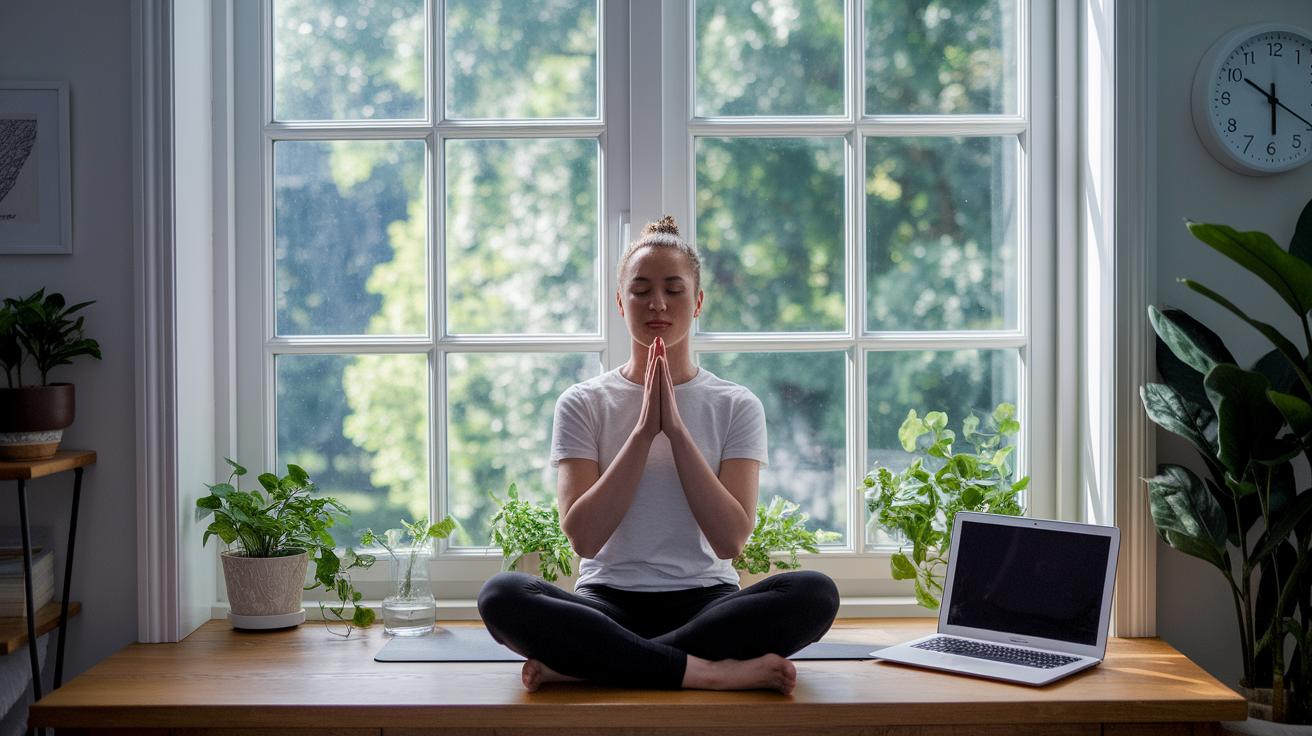
When life gets busy and pressures pile up, having practical ways to cope can really lighten the load. A brisk walk or a bit of stretching can lift your mood and help ease that muscle tension. Deep breathing and guided imagery work like a reset for your mind, offering a moment of calm when your thoughts feel too loud. It’s like switching from a fast-paced movie to a quiet scene where everything starts to slow down.
Mindfulness practices like meditation and yoga can make a big difference in quieting those anxious thoughts. They help you focus on the present, giving your body a break from constant worries. Cognitive-behavioral strategies, a way to change negative thinking, can also help and are often used alongside therapy, even through online options like telehealth. If you’re looking into building resilience or just finding a bit more balance, these techniques are a great place to start.
- Deep breathing exercises to relax your mind
- Regular physical activity to boost your mood
- Progressive muscle relaxation to ease tension
- Guided imagery for calming your thoughts
- Keeping a consistent sleep schedule
- Connecting with friends or loved ones
- Cognitive-behavioral techniques to shift negative thinking
- Mindfulness meditation to stay in the moment
- Gentle yoga routines for balanced energy
- Accessing online therapy through telehealth
Adding these practices into your daily routine can really make a difference over time. Even just a few minutes of deep breathing or regular exercise can lower stress and ease anxiety. By mixing physical activity with mindful practices, you create a balanced approach that soothes both your body and your mind.
Lifestyle Changes to Reduce Stress and Anxious Feelings
Regular exercise is like a little reset button for your day. A quick walk or a fun dance workout helps lower stress hormones (cortisol) while releasing happy chemicals (endorphins) that improve your mood and even help you sleep better.
Eating right matters, too. Enjoy meals loaded with lean proteins, whole grains, and lots of fruits and veggies to keep your energy steady. And when you cut back on caffeine and alcohol and drink plenty of water, you’ll feel calmer after a long day.
Taking time for nature, creativity, or even some friendly chats can really ease anxiety. Think about a quiet stroll in the park, doodling something fun, or playing with your pet. These small joys can lift your mood and lower tension.
Having a regular sleep routine and taking short breaks during your day makes it easier to handle stress. When you schedule these little pauses, you give yourself the space to relax and recharge.
- Try jogging, swimming, or dancing to keep your body moving
- Choose balanced meals with lean proteins, whole grains, fruits, and vegetables
- Stay hydrated and ease back on caffeine and alcohol
- Spend time outside for a dose of nature’s calm
- Dive into creative hobbies like painting, writing, or crafting
- Enjoy the company of a pet for extra comfort
- Practice quick, mindful moves like yoga or meditation
- Stick to a consistent sleep schedule to boost your energy
- Take regular, short breaks to relax during your day
- Pick fun hobbies that make you smile
Start adding these changes bit by bit, and soon you’ll find your body and mind feeling more at peace.
Professional Support for Stress vs Anxiety Management

If stress or anxiety start to mess with your daily routine, talking to a trusted therapist or counselor can really turn things around. Whether you choose one-on-one counseling or join a group session, you’ll have a safe space to chat openly, almost like a heart-to-heart with a dear friend. These professionals, like psychologists and psychiatrists, help you spot what sets you off and teach simple ways to ease tension and worry. Sometimes, they might suggest combining therapy with medications like SSRIs (a type of drug that helps balance mood chemicals) such as Sertraline, Duloxetine, or Fluoxetine.
And if getting to an office is tricky, virtual sessions via telehealth on your computer, smartphone, or tablet can be a great option. If you notice these feelings sticking around for over a month or if panic attacks start to take over your day, it’s a clear sign that you should reach out for help. Taking this step toward expert care is a powerful move for better health and finding lasting peace of mind.
Final Words
In the action, we compared the feelings and signs of everyday stress vs anxiety, looking at causes, physical cues, and even key supporting tips.
We broke down real-life examples, explained biological factors, and offered actionable ways to balance tension and anxious feelings.
By mixing practical advice with a touch of inspiration, the discussion aimed to spark a sense of balance and thoughtful living.
Keep experimenting with new strategies and stay positive as you move forward.