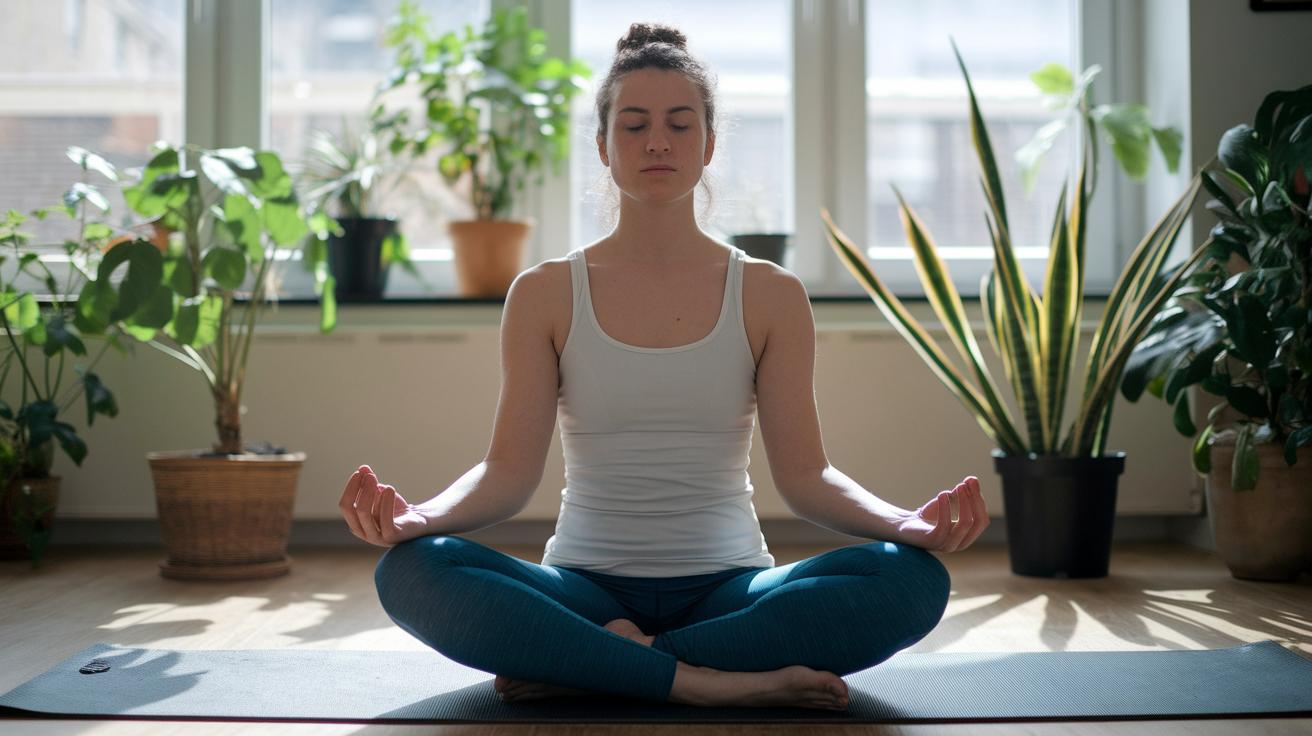
Ever feel like you're racing through life with no time to catch your breath? Taking care of yourself when you're feeling burned out isn’t a luxury, it’s a must. When daily tasks leave you feeling completely drained, even a tiny break can recharge your energy and lift your spirit. Think of self care as that much-needed pause to simply breathe and find your calm in a busy day. In this post, we'll share simple, real tips to help you ease burnout and start feeling a bit more peaceful right away.
Recognizing Burnout and Finding Relief Through Self Care
Burnout is that long-lasting stress that slowly drains your energy and your spirit. It sneaks up on you as endless work and home demands pile on, leaving you feeling wiped out like you've been running non-stop.
Then there’s compassion fatigue. This one hits suddenly, especially if you care deeply for others. Ever have a day when a tough client or an emotional situation just leaves you feeling completely overwhelmed?
Experts have come up with eight easy ways to help you handle burnout. First, make sure you set clear boundaries between work and your personal time, maybe even block out a quiet hour each day just for you. Treat yourself like your car: you need good fuel, so eat well, drink plenty of water, and get enough sleep. It’s also smart to set firm limits with clients and coworkers so you always have space to breathe. Plus, try creative activities, like writing in a journal or getting your hands messy with art, to help you let go of stress.
Don’t hold on to other people’s pain; let it go. Add some movement to your day, whether it’s a brisk morning jog or a peaceful walk at lunch. Taking a break with a personal day or even a mini-vacation can work wonders for recharging both your mind and body. And remember, it’s always okay to lean on someone, a friendly chat with a supervisor or a therapist can really make a difference. Keeping an eye on the early signs of burnout helps you stay strong, refreshed, and ready to face whatever comes next.
Self Care for Burnout: Evidence-Based Methods to Promote Wellness
Acceptance and Commitment Therapy (ACT) is like a friendly guide that helps you sit with your hard feelings using mindfulness (that’s the art of being present). Instead of battling stress, ACT teaches you to notice and accept your emotions, bit by bit, so you can keep your cool even on the busiest days. Think of it as a gentle push that helps you act according to what truly matters to you, making each day a little more balanced. If you’re curious to learn more, there are lots of self care tips for mental health out there waiting for you.
Self-compassion is all about giving yourself the same kindness you'd offer a dear friend when times get tough. It means being gentle with yourself, noticing your feelings, and accepting them just as they are. When you allow yourself to be vulnerable and work on healing, you naturally lower anxiety and start to develop a softer, nurturing inner voice.
When you mix ACT and self-compassion, you’re creating a caring mindset that helps manage fatigue in all areas of life. Instead of fighting stress with stubborn resistance, you learn to welcome it slowly, replacing pressure with acceptance. This change can ease feelings of anxiety and depression while brightening your overall mood. Rather than sticking to a rigid idea of what you should be doing, you adopt a more reflective, value-based approach that makes burnout feel less overwhelming. Over time, as your daily thoughts and actions match what you truly believe in, you discover a lasting relief from stress and become a more resilient, empowered version of yourself.
Mindful Self Care Techniques to Ease Burnout and Restore Clarity
When stress takes over, finding a creative outlet can feel like a breath of fresh air. Music that soothes, scribbling down your thoughts, or even experimenting with colorful art can help quiet your racing mind and ease tension. These simple acts invite you to express yourself and let go of stress in a gentle, creative way.
Taking a moment to try some guided meditation is another great strategy to bring balance back into your day. Even a few minutes of focusing on your breathing or tuning into a body scan can help clear your head and restore your inner calm. It’s like giving your mind a little vacation, even if just for a short while.
When you need a quick reset, calm-inducing exercises can be really powerful. Techniques such as box breathing or slowly relaxing your muscles one at a time work wonders in lowering stress levels and sharpening focus. These easy practices not only help reduce discomfort but also remind you that a peaceful moment is always within reach.
Self Care for Burnout: Embrace Peace Now

Moving your body is a brilliant way to shake off burnout. It’s like hitting a reset button that refreshes both your mind and body. A morning jog or a brisk walk during your break sparks feel-good chemicals that lift your mood and ease stress. This simple move builds your resilience, keeps your energy balanced, and melts away those lingering worries. A bit of motion can really turn a heavy, stressful day into one that feels much lighter.
Restorative yoga does more than stretch your muscles, it eases tension and improves flexibility. Spending 20–30 minutes in a calm, focused yoga session can help you relax deeply while clearing your mind. And if you're looking for something quicker, try a 15-minute HIIT routine or resistance band exercises to fire up your body and boost your natural defenses against stress. These activities make it easier to juggle work and relaxation.
- Start your day with a morning jog to energize.
- Enjoy a 20–30 minute restorative yoga session to ease muscle tension.
- Try a 15-minute HIIT routine for a burst of energy.
- Do resistance band exercises for a quick strength boost.
Make these practices a part of your daily routine, and you’ll keep burnout at bay while welcoming a soothing sense of peace every day.
Lifestyle Self Care Adjustments to Support Burnout Recovery
Ever feel like you're running on empty? A steady sleep routine can help. Try going to bed at the same time every night and turning off your screens about 30 minutes before you hit the pillow. When your body knows it's time to rest, you wake up feeling refreshed and ready to face the day. It’s a simple trick that can ease stress and boost your overall wellness.
Taking a break from your gadgets every day isn’t just for vacation, it’s a daily must-have. Set aside one to two hours where your phone, laptop, and tablet take a break. Imagine savoring a warm cup of tea or losing yourself in a good book without any interruptions. This little digital detox can ease mental fatigue and give your brain the chance to catch its breath.
What you eat plays a big role, too. Think of nourishing your body with wholesome food as fueling up with premium energy. Keep it simple by focusing on fresh fruits, veggies, and whole grains. And don’t forget to hydrate, aim for 8 to 10 cups of water a day while easing off on too much caffeine so you stay cool and calm.
- Choose fresh fruits, vegetables, and whole grains for natural boost.
- Drink 8–10 cups of water to keep your body well hydrated.
- Limit caffeine to one cup in the morning to help avoid jitters.
In truth, weaving these small changes into your daily routine creates a solid foundation for overcoming burnout and nurturing long-term well-being. Give it a try and see how a few mindful tweaks can transform your day!
Designing Your Personalized Self Care Routine for Burnout Prevention

Creating your own self-care routine is like designing a personal map to keep stress from weighing you down. When you blend a bit of exercise, moments of mindfulness, and playful breaks, you give your body and mind the fuel they need. Picture this: a few minutes of journaling in the morning to set your vibe, a mid-day walk or a quick break to recharge, and a calm gratitude practice before bed. These small rituals not only lift your energy but also reconnect you with the things that spark joy, like scribbling down a thought or two as your day starts.
- Morning: Kick off with a short journaling or meditation session to center your thoughts.
- Midday: Take a quick 1–3 minute break or a refreshing walk to boost your energy.
- Evening: Wind down with a simple gratitude practice or any calming activity that helps you relax.
By weaving these habits into your day, you build a steady flow of energy that keeps burnout at bay. And if you’re curious about tracking your progress, check out the daily self care checklist to see which habits make the most difference. Little, consistent actions create a solid foundation that carries you through even the busiest days.
Tracking Progress and Evaluating Self Care for Burnout Success
Keeping tabs on your self-care can really change your day. A simple checklist helps you notice trends in your fatigue, sleep, and mood. This friendly snapshot shows which strategies are working and when it’s time for a small tweak.
Try tracking these each day:
- Daily fatigue levels
- Weekly sleep ratings
- Mood improvements over time
Seeing these changes can give you a boost, reminding you that every little effort counts. If you notice extra tiredness or a dip in your mood, it might be a sign to adjust your routine. Perhaps you could allow yourself a bit more rest, switch up your exercise plan, or revisit your stress-relief techniques.
Regularly checking in on your progress lets you fine-tune your self-care habits and keep burnout at bay. This way, your routine always supports your overall well-being.
Final Words
In the action of reclaiming energy, you explored critical signs of burnout and subtle differences with compassion fatigue. We kicked off by laying out clear self care for burnout strategies, ranging from self-compassion and mindful relief to movement-based activities and lifestyle adjustments. Building a personal routine while tracking progress empowers you to manage stress day by day. Embrace these approaches and watch your everyday life transform into a more balanced and confident experience.
FAQ
How does self-care help with burnout?
Self-care helps with burnout by reducing stress, boosting emotional balance, and replenishing energy through mindful activities, healthy habits, and rest. This approach makes daily pressures feel more manageable.
What are the 3 R’s of burnout?
The 3 R’s of burnout refer to Rest, Refuel, and Reflect. They guide you to pause, nourish your body, and evaluate daily challenges, all of which work together to ease stress.
What is the 42% rule for burnout?
The 42% rule for burnout suggests that nearly half of individuals in high-pressure roles show signs of burnout. It highlights the need for early self-care and proper support to counter excessive stress.
How do you heal from burnout?
Healing from burnout involves a mix of rest, self-care, and reaching out for support. Embracing mindful routines and professional guidance helps restore both energy and emotional well-being over time.
How can students avoid or deal with burnout?
For students, self-care and regular breaks help manage burnout by balancing study sessions with relaxation. Simple methods like mindful breathing and short reflections can ease academic stress effectively.
How can professionals like nurses and mental health practitioners prevent burnout through self-care?
For professionals, proactive self-care techniques such as regular breaks, mindfulness, and healthy lifestyle choices reduce burnout risks. These practices support a balanced outlook amid the emotional demands of caregiving.
What are effective burnout prevention strategies in the workplace?
In the workplace, effective strategies include setting clear boundaries, practicing mindfulness, taking regular breaks, and engaging in supportive discussions. These steps reduce stress and promote a balanced work environment.
Where can I find burnout prevention strategies PDF and other burnout resources?
Reliable burnout resources, including PDFs with prevention strategies, are available on trusted wellness platforms. They offer practical guidance on building routines, mindfulness techniques, and comprehensive self-care practices.