Ever noticed dark patches on your skin and wondered if they're just reminders of sunny days or something more?
Sun spots appear when your skin soaks up the sunshine, giving you clues about how your skin is doing, kind of like little story marks of your outdoor adventures.
They can make you smile when you think of breezy afternoons, but sometimes they hint at changes you shouldn't ignore.
In this chat, we'll explore how these sun spots form, what they might be telling you, and share simple tips to keep your skin feeling fresh and radiant.
Ready to dive in and give your skin the care it deserves?
Understanding Sun Spots on Skin
Sun spots are small, dark patches that appear when your skin enjoys too much sun over time. When your skin absorbs UV rays (ultraviolet light, which comes from the sun), it produces extra melanin, this is the pigment that gives your skin its color. That extra melanin collects in certain spots, making them look darker than the surrounding skin.
These spots often show up on the parts of your body that get the most sun, like your face (especially around your nose), forearms, backs of your hands, shoulders, and even the tops of your feet. They’re not quite like freckles, which are smaller and sprinkled lightly across your skin, think of sun spots as having a bolder, more noticeable look.
Even though sun spots are harmless, they can sometimes make you feel a bit self-conscious. That’s why it’s smart to keep an eye on them. If you notice any changes in their size, color, or shape, it might be a sign that something more serious is afoot, perhaps even an early hint of melanoma (a type of skin cancer). In those cases, chatting with a dermatologist (a skin doctor) is a wise idea.
Taking care of your skin means watching for these changes and protecting your skin. Wearing sunscreen every day, choosing protective clothing, and seeking shade when the sun is strongest can help keep these spots from developing further. This way, you can enjoy the sunny days while keeping your skin feeling and looking its best.
UV Exposure and the Development of Sun Spots
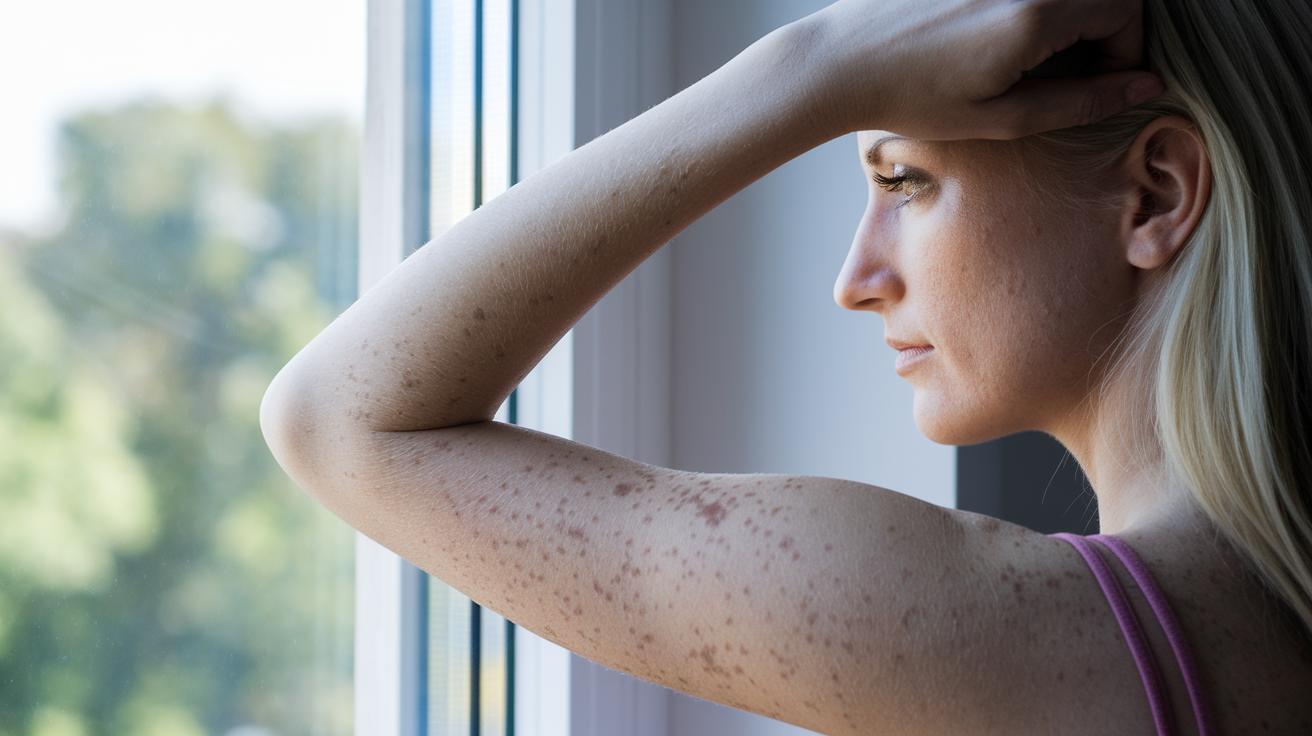
When you’re basking in the sunshine, remember that UV rays do more than just give you a tan – they stress your skin's cells and even harm your DNA. Your skin’s pigment makers, called melanocytes, kick in and produce extra melanin as a defensive response. It’s a bit like a tiny alarm going off that eventually forms clusters we recognize as sun spots.
Recent studies show that UV rays lead to oxidative stress (a kind of imbalance between damaging molecules and protective ones) in your skin. Over years of daily exposure, even without noticeable sunburn, your skin can get overworked. This extra stress causes pigment to cluster, leaving your skin looking uneven and a bit older than it really is.
| Cellular Impact | Observed Effect |
|---|---|
| DNA Damage | Boosts melanin production |
| Oxidative Stress | Creates pigment clumps and signs of aging |
Over time, UV exposure not only makes sun spots more noticeable but also speeds up skin aging. So, if you want to keep your skin looking its best, don’t forget your daily broad-spectrum SPF.
Identifying Sun Spots Versus Other Skin Marks
Sun spots are flat, round marks that usually measure more than 5 mm across. They show up in one rich, dark shade, mainly on areas that see a lot of sun. Freckles, by contrast, are tiny, lighter, and scattered like a soft dusting on your skin.
When you're checking your skin, keep an eye out for any gentle shifts in color. If you spot a mark that's a bit odd in shape or has uneven edges, it might be time to chat with your dermatologist. For instance, imagine a spot that starts off smooth and rounded, then slowly turns wobbly around the edges, this is a nudge to get it looked at.
Changes such as an off-center shape, mixed colors, or a mark that’s gradually growing can hint at issues beyond just sun exposure. A regular self-check helps catch these changes early, so if there’s anything unusual, you'll know to get a professional opinion. Keeping tabs on your skin means you’re taking a key step toward a healthier, happier you.
Preventing Sun Spots Through Protection and Routine

Every day starts best with a broad-spectrum SPF 30+ applied in the morning. This simple step creates a gentle barrier against the harmful UVA and UVB rays, keeping extra melanin (the pigment that causes sun spots) at bay. Picture your skin wrapped in an invisible shield, protecting it from the day's harsh sun.
Incorporate a few extra habits to boost your daily defense. Try pairing your sunscreen with a stylish UV-blocking hat, some lightweight clothes, and a pair of UV-coated sunglasses. And when the sun is strongest, about 10 AM to 4 PM, seek a shady spot. It’s like giving your skin a mini break!
- Wear broad-spectrum SPF 30+ every day.
- Reapply your sunscreen every two hours if you’re outside.
- Choose UV-blocking hats, sunglasses, and light clothing.
- Find shade during the midday sun.
Regular skin check-ups are key too. Whether it’s a quick self-exam or a visit to a professional, keeping an eye on any changes in your skin helps you catch problems early. So next time you head out, whether it’s a busy day running errands or a fun day outdoors, remember these small steps protect your skin and enhance your natural glow. It’s all about feeling confident and caring for yourself with ease.
Topical and Home Remedies for Sun Spot Reduction
If your skin has taken a few sun kisses over the years, there are easy, over-the-counter treatments to help even out your tone. Think of these remedies as a gentle nudge for your skin, urging it to clear those stubborn melanin patches from too much UV time. They mix a touch of science with the goodness of nature, keeping your skin hydrated as it works to fade the spots.
A smart tip is to choose products with active ingredients that boost cell turnover (that’s just a fancy way of saying your skin naturally sheds old cells) and lighten pigmentation. For example, a vitamin C treatment helps slow down tyrosinase (the enzyme that ramps up melanin). And retinol cream? It’s celebrated for encouraging cell renewal, letting your skin gradually replace tired cells with a fresh glow. A gentle acid treatment, like using glycolic or lactic acid, works like a soft polish to enhance your natural radiance. If you’re curious about a more involved routine, there's even a popular at-home chemical peel guide you can check out.
Here are six tried-and-true remedies to add to your routine:
| Remedy | ||||||
|---|---|---|---|---|---|---|
| Vitamin C serum | ||||||
| Retinol cream | ||||||
| Glycolic acid cleanser | ||||||
| At-home chemical peel | ||||||
| Aloe vera gel |
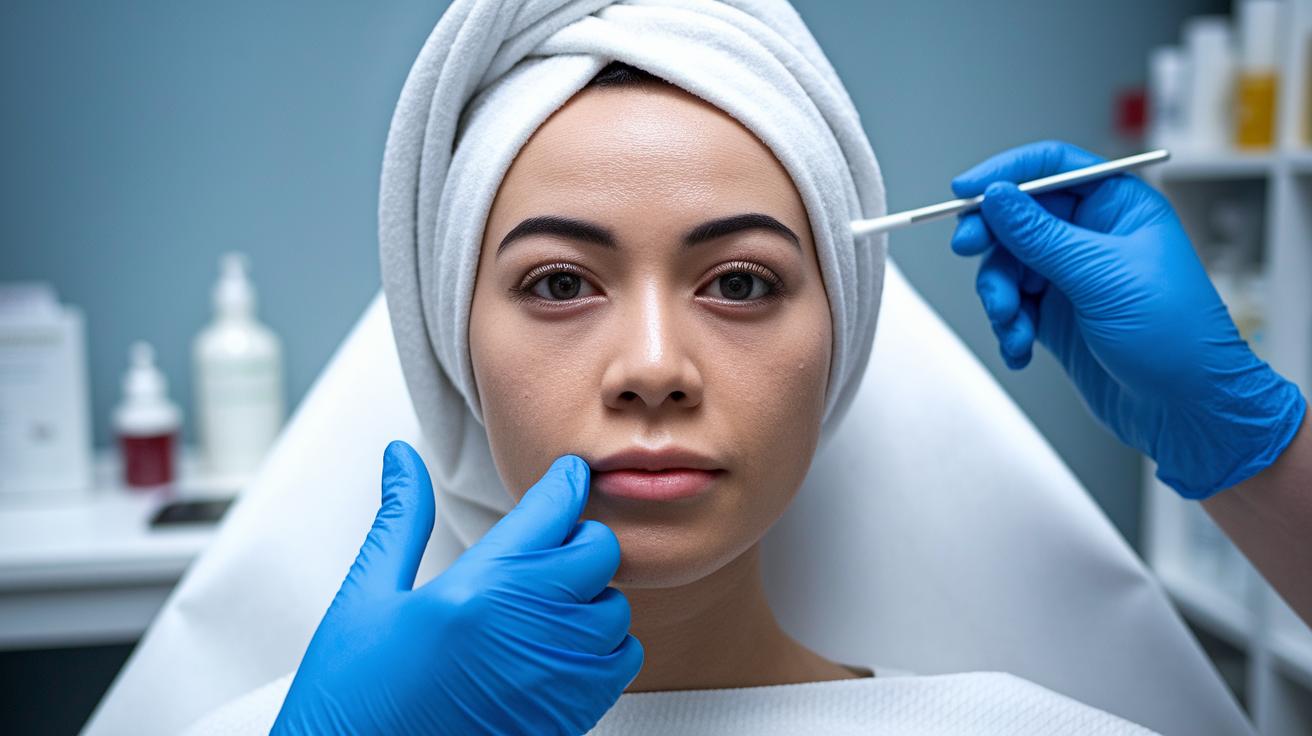

| Procedure |
|---|
| Intense pulsed light (IPL) |
| Q-switched laser therapy |
| Cryotherapy (liquid nitrogen) |
| Prescription-grade chemical peel |
| Microdermabrasion session |
The right treatment depends on the depth and size of your spots as well as your unique skin type. So, it’s a great idea to chat with a qualified professional who can guide you to the option that will bring out your natural radiance and keep your skin glowing for the long haul.
Integrative Care: Lifestyle and Diet for Skin Tone Restoration
When you make small lifestyle tweaks for better skin, you're showing your body some serious love from the inside out. A balanced diet packed with vitamins A, C, and E (they help support and repair your cells) along with omega-3 fatty acids (great for soothing your skin) gives your skin the nutrients it needs after a day in the sun. Fill your plate with a rainbow of fruits and veggies to enjoy natural antioxidants that not only fight free radicals but also help even out your skin tone. And don’t forget to drink plenty of water, it’s like a mini spa for your skin, keeping it strong and ready to shine.
Another friendly tip is to try natural oils like rosehip or jojoba. Just massage a few drops gently into your skin to calm any redness or uneven spots. Cutting back on sugar and alcohol can also work wonders, as they tend to fuel inflammation. Pair these dietary choices with light exercise, like a daily walk, to boost circulation and keep your skin glowing. It’s all these little, mindful habits coming together that let your skin regenerate, even out pigmentation, and feel as refreshed as it looks.
Final Words
In the action, this piece walked through the ins and outs of sun spots on skin, from what they are to how UV light stokes their appearance. It broke down simple prevention habits, home remedies, and expert treatments in clear, bite-sized steps.
Every section lifted the veil on caring for your skin, blending practical tips with lifestyle adjustments. Keep embracing these ideas to enjoy a brighter, more confident outlook on your skin and overall well-being. Stay inspired and take charge of your skin health.
FAQ
What do sun spots look like on skin?
The description of sun spots on skin shows flat, dark brown patches that are usually round and larger than freckles. They often appear evenly colored and are most noticeable on sun-exposed areas.
What causes sun spots to appear?
The appearance of sun spots is mainly driven by repeated exposure to UV rays. This light triggers extra melanin production in areas like the face, hands, and shoulders, leading to darker patches.
How can I treat or get rid of sun spots on my skin?
The approach to treating sun spots includes using topical treatments like vitamin C serums or retinol creams, along with professional options such as laser therapy. Regular sunscreen use helps prevent further pigmentation.
Can sun spots go away on their own with preventive care?
The idea that sun spots may fade with consistent prevention practices holds true for some. Regular use of broad-spectrum sunscreen and protective clothing can reduce UV exposure, limiting new spot development.
Why might brown spots suddenly appear on my skin?
The occurrence of suddenly appearing brown spots could be linked to extra sun exposure or changes in skin pigmentation. It’s wise to keep an eye on their size and shape and consult a professional if they change.
What are white sun spots on skin?
The mention of white sun spots likely refers to spots that aren’t caused by UV exposure like typical sun spots. White marks may indicate a different pigment change, so it’s good to ask a skin care expert for insight.
Why do sun spots often develop on the face?
The face is one of the most common areas for sun spots to develop because it receives the most UV exposure. Daily protection like sunscreen and hats can help reduce this effect.
Do sun spots turn into skin cancer?
Evaluating the question on skin cancer risk, typical sun spots are benign, but any spot that changes shape, color, or size should be checked to rule out a more serious condition.
Can children develop sun spots on their skin?
The possibility of sun spots on skin in kids is less common since their skin is less exposed over time, but overexposure to harsh sunlight can lead to pigment changes even in young skin.
- A word from our sposor -
Sun Spots On Skin: Embrace Better Skin Health

Harvest your Fashion
Copyright © 2025 - Imdandy.com
Built using Imdandy.com - All Rights Reserved