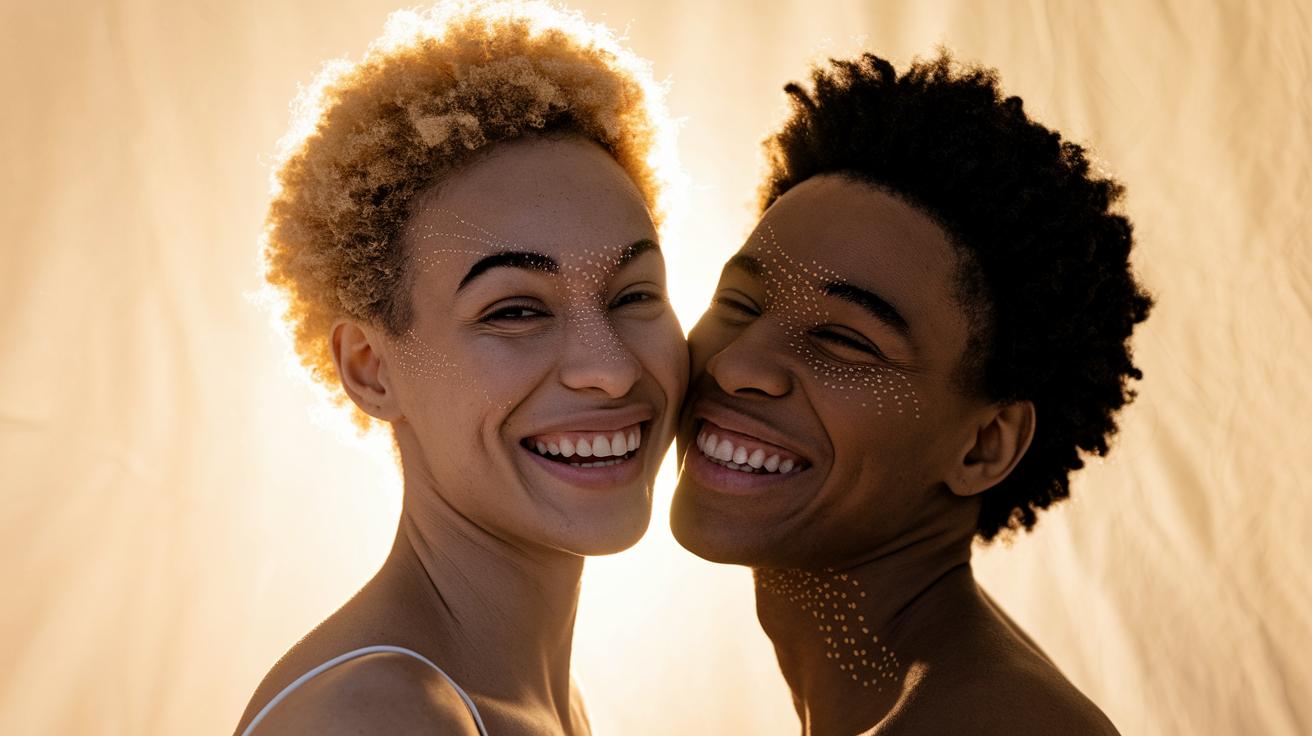
Have you ever wondered why your skin feels so uniquely yours? It's all because of melanin (the natural pigment that gives your skin its beautiful color). Whether your skin is very fair or wonderfully deep, every tone tells a little story about how your skin reacts to the sun and what it needs to shine.
Today, we're taking a fun look at the names for skin complexions that celebrate every shade of beauty. Imagine discovering little secrets about your own skin, knowing your tone can show you special benefits and help you appreciate what makes you one of a kind.
Skin Complexion Names: Embrace Beautiful Tones
Have you ever stopped to think about what makes your skin so beautifully unique? It all comes down to melanin – that natural pigment that gives your skin its color. The more melanin you have, the richer your tone, whether it’s extremely fair, fair, medium, olive, brown, or deep. Knowing your melanin level not only helps you choose the right skincare but also tells you how your skin might react to the sun.
| Complexion Name | Melanin Level | Typical Undertone | Sun Response |
|---|---|---|---|
| Extremely Fair (Type I) | Very Low | Cool or Neutral | Burns easily, never tans |
| Fair (Type II) | Low | Cool or Warm | Burns, tans minimally |
| Medium (Type III) | Moderate | Warm with golden hints | Tans gradually; occasional burns |
| Olive (Type IV) | Moderate to Light Brown | Neutral or Olive | Tans easily with minimal burning |
| Brown (Type V) | High | Warm | Tans profusely with rare burning |
| Deep (Type VI) | Very High | Neutral | Strong UV protection, never burns |
A handy guide that many professionals use is the Fitzpatrick scale. This tool sorts skin types by how they respond to sun exposure. For instance, Type I will always burn and never tan, and Type II tends to burn before it tans. As you move down the scale, Type III might sometimes burn but gradually tans, while Type IV and above tan more easily with little or no burning. This scale isn’t just a cool fact, it’s used in everything from skin assessments to special treatments like phototherapy.
And if you’re curious to dive even deeper into the science behind your skin’s unique beauty, there are plenty of detailed clinical resources available. They peel back the layers on skin type terminology and pigmentation, offering a closer look at what makes every skin tone truly special.
Understanding Undertones in Skin Complexion Terminology
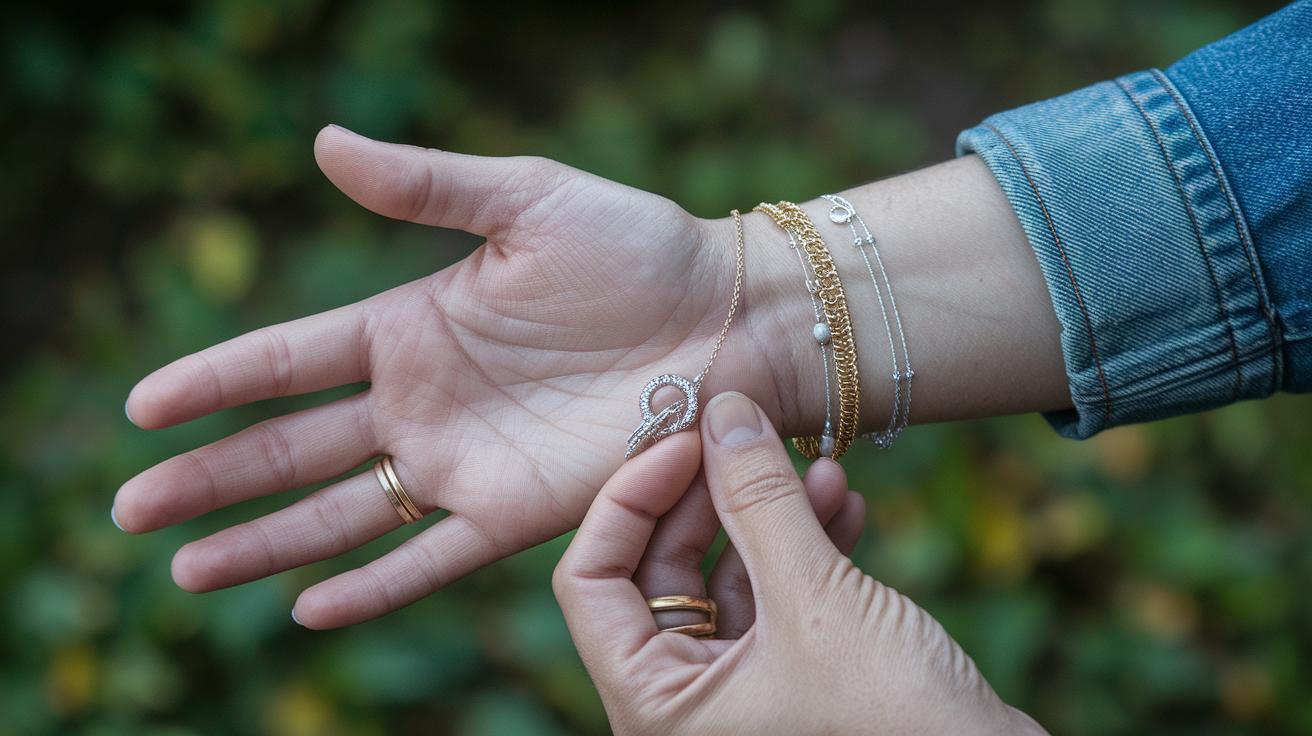
Undertones are those subtle hints of color hidden beneath your skin that add a unique touch to your overall look. They play a big role in how makeup, clothes, or even jewelry can boost your natural glow. Even if your skin gets lighter or darker with the seasons, your undertone stays the same. A fun way to check is by looking at the color of your wrist veins or comparing how gold and silver jewelry vibe with your skin. For instance, if silver seems to brighten your look more than gold, you might have a cool undertone.
Here’s a quick breakdown:
- Cool: Think hints of blue, pink, or red.
- Warm: Look for shades like yellow, peach, or golden.
- Neutral: No one color stands out, everything’s nicely balanced.
- Olive: A greenish tint that gives you a unique vibe.
Understanding these undertones doesn’t just give you a new beauty term to drop in conversation, it helps you pick out makeup and accessories that truly highlight your natural self. When you know if you’re cool or warm, choosing the right shades becomes easy, letting your natural radiance shine through every day.
Ethnicity-Specific Skin Complexion Labels and Cultural Influences
In South Asia, especially in India, people use creative terms like "wheatish" and "saddle brown" to describe skin tones. These words paint a picture of warm, sun-kissed hues that many proudly call their own. They’re not just labels, they reflect a rich cultural story where every shade is celebrated and loved.
Over in the Middle East, terms such as "olive" and "honey" light up conversations about skin with a natural, glowing warmth. These names bring to mind a radiant complexion that seems to catch the light just right, giving off a soft, inviting shimmer. And then in East Asia, people often prefer words like "porcelain" and "pearl." These labels evoke a sense of delicate beauty, suggesting skin that is smooth, clear, and almost luminous.
Meanwhile, African and Latin American communities celebrate their vibrant heritage with names like "mahogany," "ebony," "caramel," and "almond." These descriptors honor rich, deep colors and capture the strong, resilient spirit behind them. Each term adds a personal touch, reminding us that every complexion tells its own unique story.
Literary and Artistic Skin Complexion Names
When we chat about skin tones in art and literature, light shades often feel like they come straight from a poem. Words such as "porcelain" and "alabaster" paint pictures of delicate china and cool, bright winter mornings. Even terms like "ivory" or "nude" carry a gentle, refined beauty that is simple yet everlasting.
Moving on to medium hues, labels like "beige" and "sand" bring to mind cozy, sunlit landscapes. Picture yourself on a soft, sandy coast where the sunlight softly warms everything, it’s exactly the vibe these names give off.
Then there are the richer tones. Olive shades, with names like "tan" and "bronze," sparkle with the warmth of a lively summer afternoon. And deep hues like "espresso" or "mahogany" evoke strength and a hint of mystery, much like bold strokes in a timeless painting. These creative names don’t just set a scene; they celebrate each skin tone as uniquely beautiful.
Visual Tools and Digital Hue Databases for Skin Complexion Names
Digital tools for tone matching and online hue databases have really changed the game when exploring the vibrant range of skin colors. Platforms like Adobe Color CC let you play with interactive palettes made just for skin tones. Plus, guides such as the Pantone SkinTone Guide feature 110 unique shades, offering a rich, colorful reference. Many dermatology websites even include photo libraries organized by tone, making it easier than ever to navigate through the beautiful spectrum of human hues. And with mobile apps that capture your skin’s color and match it to pre-named categories, finding your perfect shade feels effortless, almost like magic.
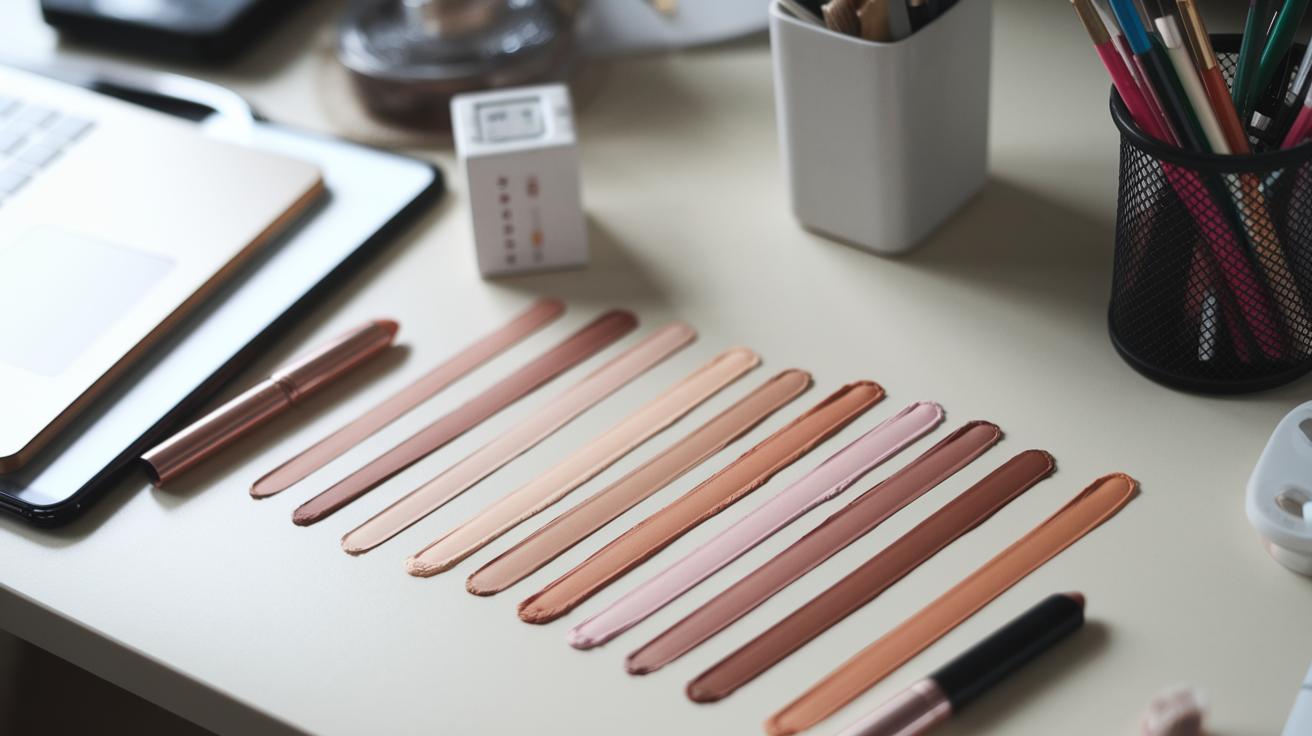
Pictorial skin shade guides and color chips are a practical companion to digital technology. These visual tools let you compare your complexion with a range of standardized color samples, whether printed or online. They’re perfect for a makeup trial or when shopping for clothes that highlight your natural glow. For example, checking a physical color chip in natural light can reveal subtle differences, making it clear whether cool, warm, or neutral hues suit you best. This hands-on method gives you a real-world way to pinpoint your unique complexion name.
Final Words
In the action, our guide broke down skin complexion names and the Fitzpatrick scale to show how melanin levels and undertones shape your look. We explored everyday labels, cultural influences, and artistic flare that make every shade unique. Digital tools and clinical insights added even more clarity along the way. This practical exploration leaves you feeling more informed about skin complexion names while boosting your confidence in aligning style with science. Embrace the fresh, modern take on celebrating every tone and step out with newfound clarity and style.
FAQ
Q: What are skin complexion names for males, females, and all people?
A: The query about skin complexion names shows that terms like extremely fair, fair, medium, olive, brown, and deep are used across genders, categorizing skin by melanin levels and overall tone.
Q: What are skin color names with pictures?
A: The question on skin color names with pictures indicates that visual guides and digital charts use color swatches to display various tones, helping readers match skin shades with ease and clarity.
Q: What are the 6 types of skin complexion?
A: The inquiry about the 6 types of skin complexion refers to the standard groups from Extremely Fair (Type I) to Deep (Type VI), which are based on melanin levels, sun response, and pigment characteristics.
Q: What are the 7 shades of skin color?
A: The question on the 7 shades of skin color suggests that some systems include an extra intermediate category for subtle differences, though most clinical models, like the Fitzpatrick scale, use 6 primary types.
Q: What are skin color names for writers?
A: The query about skin color names for writers implies the use of creative descriptors such as porcelain, ivory, beige, tan, espresso, and mahogany to evoke vivid imagery and character in written work.
Q: How does melanin influence skin complexion names?
A: The query regarding melanin in skin complexion names shows that higher melanin levels yield deeper skin tones with strong UV protection, while lower melanin results in lighter skin that burns more easily.