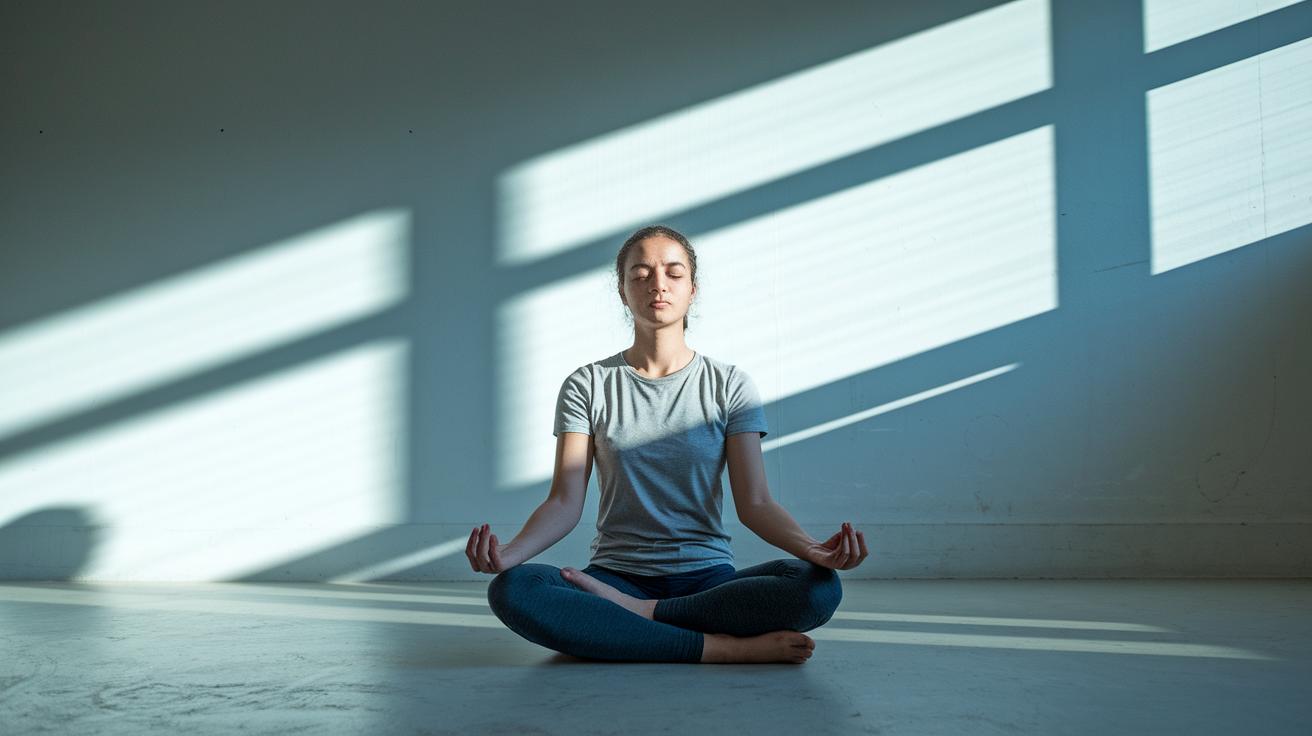
Ever notice how a few moments of quiet can flip anxiety into calm? Meditation for anxiety is like a little break from the nonstop buzz of life. Even short sessions help quiet your mind, much like watching soft leaves float on a gentle stream.
It might not wipe away stress completely, but it does make it hang on a bit less tightly. Imagine taking a small pause that lets you breathe easier and feel more balanced. It’s simple, real, and just a moment can shift your whole day.
How Meditation for Anxiety Eases Stress and Worry
Meditation acts like a natural reset for the mind, gently soothing anxiety and calming stress by inviting you to accept your thoughts and feelings without judgment. Research even shows that mindfulness can help ease worry; for instance, a study at the University of Waterloo found that 82 participants experienced fewer looping, negative thoughts after just a 10-minute guided meditation compared to listening to an audiobook. It’s like pausing a noisy movie for a moment of quiet, a simple break to just be. Ever notice how a little silence can make all the difference?
This calming process is all about a three-step approach. First, focus on the here and now by tuning into the simple rhythm of your breath, feeling each gentle rise and fall. Second, imagine holding your thoughts and feelings lightly, as if they were delicate objects rather than overwhelming burdens. Finally, just watch as each new moment flows into the next, similar to observing soft ripples on a pond. With this kind, nonjudgmental acceptance, you gradually cool the fire of anxiety, paving the way for a more peaceful, resilient mind, even after the busiest days.
Top Techniques in Meditation for Anxiety Relief
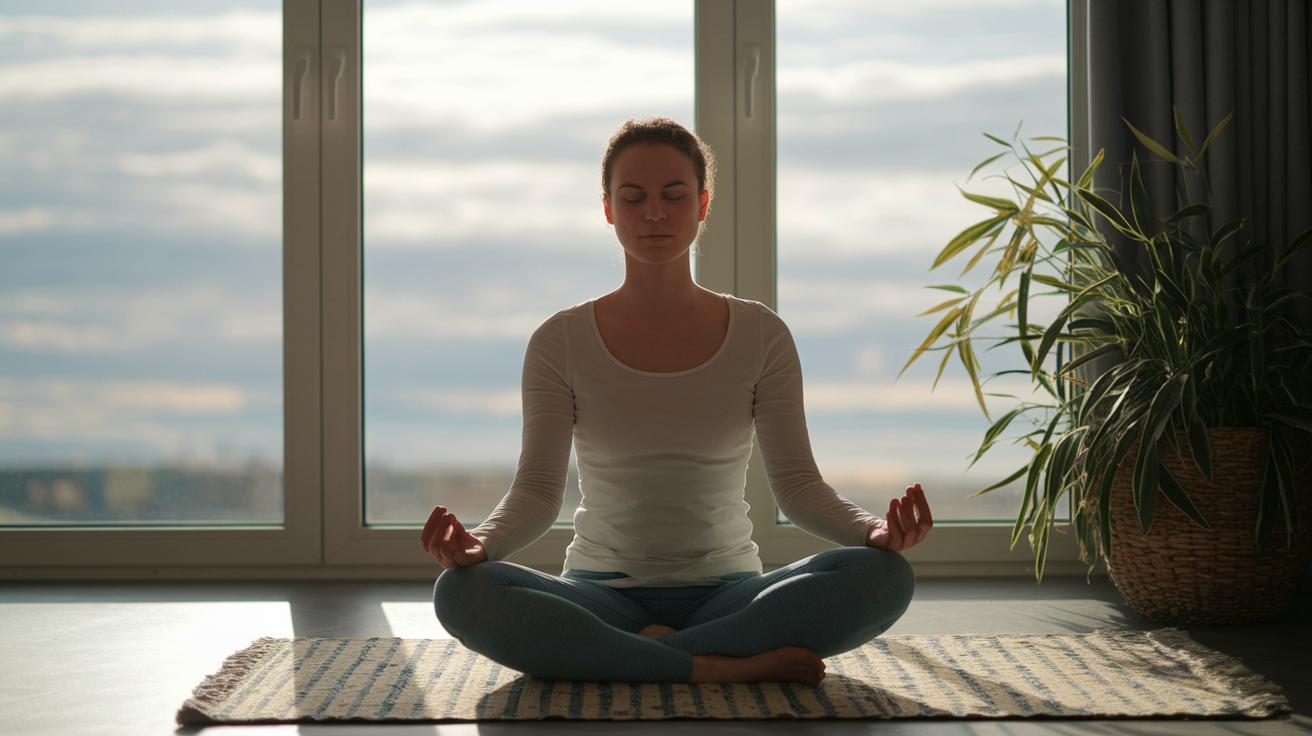
When life feels like it's spinning too fast, meditation can be your little oasis of calm. It helps slow down those racing thoughts and ease the tension building up inside you, offering a moment to breathe and feel at peace.
-
Mindfulness Meditation – Try this by giving your full attention to whatever is happening right now. Picture your thoughts drifting gently by, like soft clouds floating across a clear sky, letting go of that constant inner chatter.
-
Loving-Kindness Meditation – This is all about wrapping yourself and others in gentle care. Instead of being hard on yourself, you invite warm, kind feelings that replace stress with a soothing touch of compassion.
-
Body Scan Meditation – Take a moment to slowly travel through your body with your attention. Notice any areas of tightness or ease. It’s like checking in with each part of you, helping you feel more grounded in the present moment.
-
Guided Meditation – Sometimes, having a friendly voice to lead you can make all the difference. Listen to clear, step-by-step directions that gently guide your focus, especially when anxious thoughts start to creep in.
-
Breath Awareness Meditation – Focus on your natural rhythm of inhaling and exhaling. Each breath can become a small anchor that brings you back to calm. It’s a simple practice that really centers your mind.
-
Progressive Muscle Relaxation (PMR) – This technique involves tensing and then relaxing different muscle groups. It not only quiets the mind but also helps loosen up the physical tension that builds up when you're feeling stressed.
Finding the right method is like choosing your favorite coffee blend, it all depends on what feels best for you. Give one or a mix of these techniques a try in your everyday routine and see which one lights your path to inner calm.
Guided Meditation Sessions for Anxiety: Durations and Formats
Guided meditation is a friendly pause that helps you unwind when your mind feels overwhelmed. It’s like a gentle path that leads you to calmness, whether you need to quiet repeating worries or soothe deeper anxious feelings. Ever notice how taking a few mindful breaths can change your whole day? These sessions remind you to slow down, focus on your breath, relax your muscles, and let your mind clear.
Even on a hectic day, a quick guided practice, like a 4-minute Panic SOS, can work wonders, offering immediate relief when anxiety spikes unexpectedly.
| Session Length | Primary Focus |
|---|---|
| 10-minute session | Reduces repeating, worrisome thoughts |
| 17-minute session | Helps create a gap between who you are and your anxiety |
| 20-minute session | Works directly with those anxious feelings |
| 30-minute session | Calms stress and eases panic |
The best session for you depends on your current mood and the time you have. If you need a quick lift during a busy day, a short session might be just right. And when you can sit back and relax, a longer session lets you go deeper into your emotional space. Try out these different lengths and see which one helps you feel the most at ease.
Evidence-Based Benefits of Meditation for Anxiety
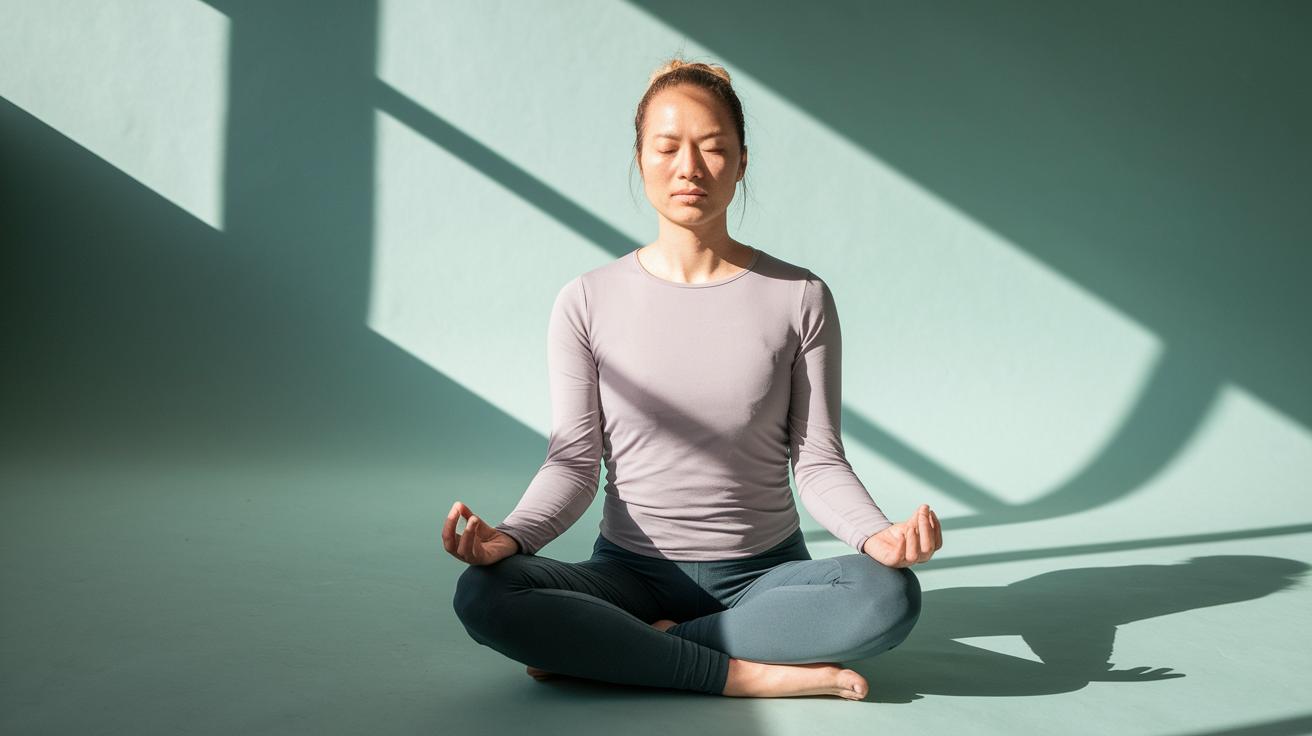
Mindfulness-based programs can really help ease anxiety. One popular method is Mindfulness-Based Stress Reduction (MBSR), an eight-week course that blends focused meditation with gentle movement to reduce daily stress. Meanwhile, Mindfulness-Based Cognitive Therapy (MBCT) also spans eight weeks and gently guides you in spotting and shifting negative thought patterns to help ward off depressive episodes. Both programs use structured meditation to help create a calm, balanced mind.
Research shows that these techniques can lower stress levels and improve how we handle our emotions. Many people share that they feel more centered and relaxed over time. This calmness comes from naturally easing stress hormones and releasing built-up tension, creating a safe mental space where hard feelings can be processed without judgment.
Of course, how well you connect with these practices can vary. While lots of folks see big improvements, some might need extra time or even professional guidance to really feel the benefits. Tweaking the approach to suit your own needs might be just the key to finding that steady, balanced state you’re after.
Step-by-Step Beginner’s Meditation Routine for Anxiety
Starting a regular meditation habit can be a lovely way to ease those anxious thoughts and invite some inner calm. Try beginning with just five minutes of mindful breathing – no need to worry about doing it perfectly. Find your favorite quiet spot at home, maybe a cozy chair or a gentle corner, and let yourself simply be with your breath.
Here’s a simple plan to get you started:
- Find a comfy place – Settling into a safe, familiar spot can make all the difference.
- Breathe mindfully – Close your eyes, pay attention to your inhale and exhale, and let yourself relax for about five minutes.
- Do a gentle body scan – Slowly shift your focus through your arms, legs, and torso; notice any tight spots and imagine them softening away.
- Listen to a guided meditation – If you’d like a bit of direction, try a short audio guide that speaks to you in a friendly tone.
- Build up gradually – Each week, add just 2 to 5 extra minutes until you’re enjoying a peaceful 30-minute session.
Stick with this easy routine. Every little moment you invest will help create a steady practice that brings you more calm and balance, one breath at a time.
Daily Meditation for Anxiety: Building a Mindful Habit
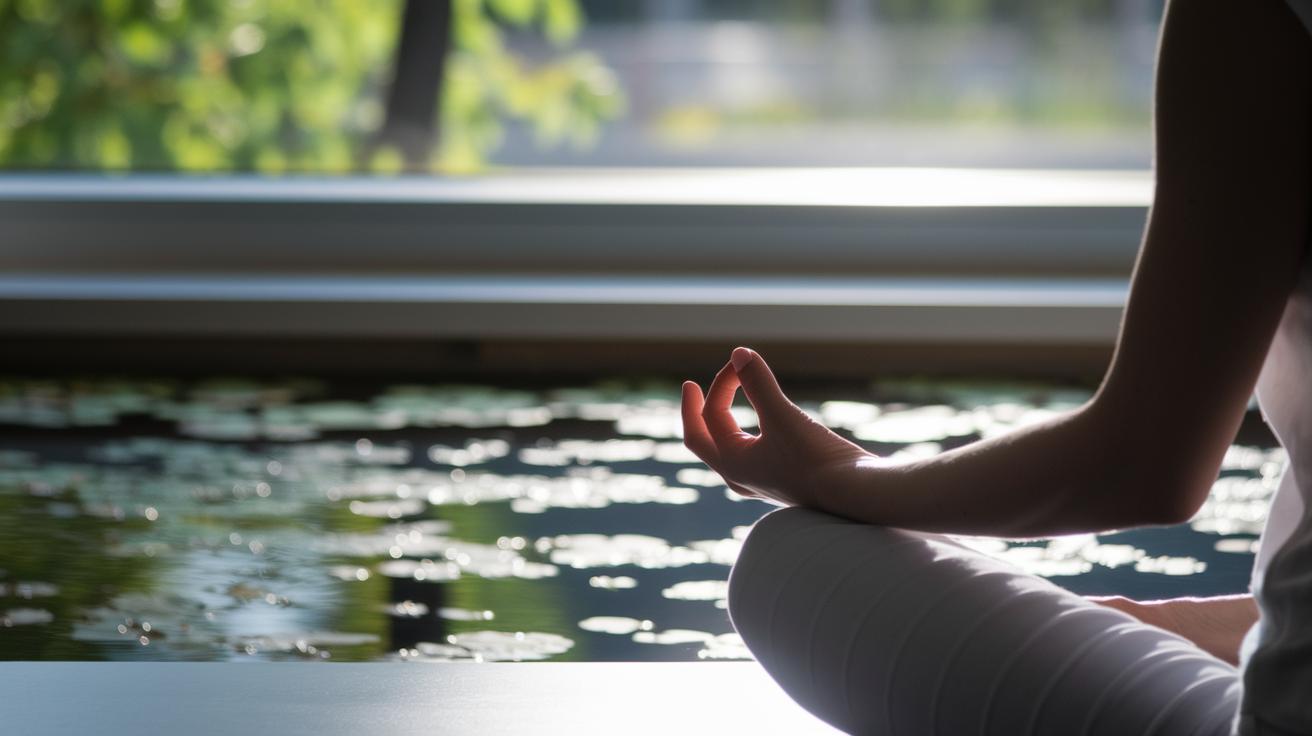
Sometimes, the simplest mindful moments can bring a wave of calm into our hectic days. When you insert a few short meditation practices into your day, you get a chance to hit pause on stress and really tune into the here and now.
- Morning check-in – Begin your day with a quick, five-minute breath focus. Sit comfortably and watch your breath, like watching leaves settle on a still pond. It sets a positive tone right from the start.
- Mid-day pause – In the middle of your busy day, take a mini break. Close your eyes and picture a peaceful spot that makes you smile. Let the image melt away your tension and recharge your inner calm.
- Evening wind-down – As your day ends, practice a gentle body scan or guided sleep meditation. Focus on relaxing each muscle and letting go of your thoughts, easing into a night of truly restful sleep.
- Quick emergency routine – When anxiety peaks unexpectedly, try a five-minute "Panic SOS" audio session. This focused practice helps draw your attention back to steady, refreshing breaths, offering instant relief.
Making these simple habits part of your daily routine can build long-lasting inner strength. Over time, these mindful check-ins help lower stress and boost your resilience, turning everyday challenges into moments you can handle with ease.
Final Words
In the action, we saw how meditation for anxiety can soothe stress and help you manage each moment with ease. We broke down calming techniques, explored guided sessions, and shared simple routines to bring balance and mindfulness to your daily life. Each segment offered practical advice and genuine tips to help you feel confident and informed. Embrace these ideas and take small, steady steps toward a more relaxed, stylish lifestyle. Enjoy the calm that comes when you make time for yourself every day.
FAQ
Meditation for anxiety near me
The query “Meditation for anxiety near me” points to finding local meditation sessions or centers that offer guided practices to soothe anxious thoughts in a real-life setting.
Guided meditation for anxiety and overthinking
The guided meditation for anxiety and overthinking refers to structured sessions led by an instructor that help quiet your mind and ease the cycle of persistent, worrisome thoughts.
Meditation for anxiety – YouTube
The phrase “Meditation for anxiety – YouTube” hints at using online video platforms to access calming meditation sessions that aim to reduce anxiety and promote a more centered mindset.
10 minute guided meditation for anxiety and overthinking
The 10 minute guided meditation for anxiety and overthinking is a brief, focused session designed to help calm your mind and break the cycle of racing thoughts during hectic moments.
Meditation for anxiety and depression
The meditation for anxiety and depression approach targets calming anxious thoughts and easing depressive feelings by fostering a space for nonjudgmental awareness and emotional processing.
Best guided meditation for anxiety
The best guided meditation for anxiety often features expert direction and proven techniques that help reduce anxious feelings, offering a trustworthy, calming resource to rely on.
Free guided meditation for anxiety and overthinking
The free guided meditation for anxiety and overthinking refers to accessible online sessions that provide structured guidance to ease your mind without any financial commitment.
Free meditation for anxiety
The free meditation for anxiety suggests finding cost-free resources, like online videos or audio recordings, that help guide you through practices designed to calm and balance your mind.
What is the 3 3 3 rule for anxiety?
The 3 3 3 rule for anxiety is a simple calming method where you name three things you see, hear, and feel, helping to shift your focus and ground your senses during anxious moments.
What kind of meditation is good for anxiety?
The kind of meditation good for anxiety includes practices like mindfulness meditation, loving-kindness, and body scan techniques, each reducing anxious thoughts by bringing your focus to the present moment.
How can I reduce my anxiety naturally?
Reducing anxiety naturally can involve practices like regular meditation, deep breathing exercises, and mindful awareness techniques that help soothe your mind without relying on medications.
What drink calms anxiety?
The drink that calms anxiety often points to herbal teas, such as chamomile tea, known for their soothing properties that promote relaxation and a sense of calm.