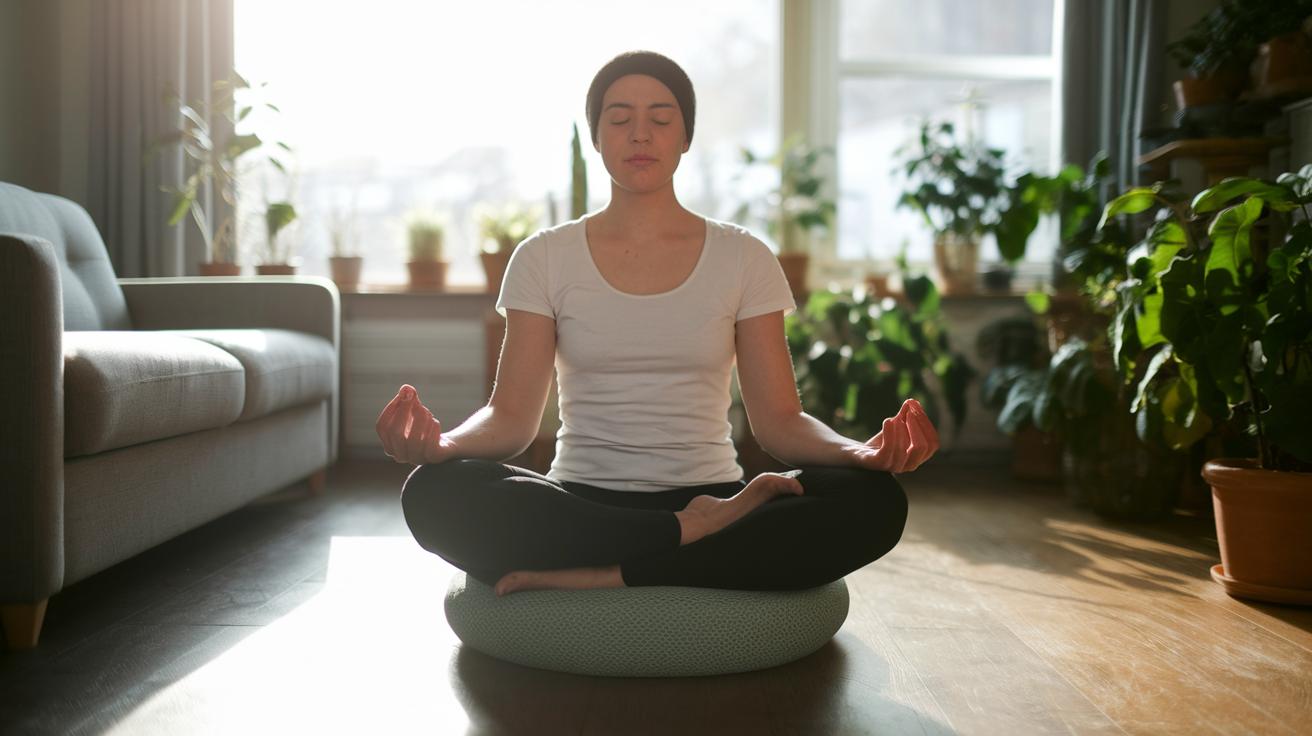
Ever feel overwhelmed by anxious thoughts that seem to whisk you away from the present moment? It happens to all of us, and sometimes the world just feels too much. Grounding techniques are like little reset buttons, they help you feel your body and reconnect, one breath at a time.
Imagine the firm feel of your feet on the floor or the cozy embrace of wrapping your arms around yourself, like a warm, reassuring hug. Each familiar sensation gently reminds you that you’re in control. In this post, we’ll share easy, everyday ways to mix mindful breathing, touch, and awareness into your routine so you can invite calm into your life, even when anxiety starts to chatter.
Essential Grounding Techniques for Anxiety Relief
Grounding techniques are simple, practical ways to pull your focus away from overwhelming thoughts and bring you back to the present. They work by tapping into your body's natural senses to ease anxiety and bring a sense of calm. Imagine taking a few deep belly breaths, it’s like hitting a reset button that softens both your body and your mind.
These hands-on strategies use everyday actions to send a positive message to your nervous system: you’re safe and in control. They’re not just for those intense moments of panic or stress, but also a neat addition to your daily routine to help keep anxiety in check.
- Diaphragmatic Breathing
- Body Scan Relaxation
- Mindful Sensory Focus
- Butterfly Hug
Using these techniques together can bring quick relief and help you feel more stable. For example, diaphragmatic breathing works by engaging your vagus nerve (a key player in calming your body), and it pairs nicely with a body scan that gently reminds you of each part of you. Then, by focusing on what you see, hear, or feel around you, you create a full sensory experience that reassures you. And if you grab yourself in a comforting butterfly hug, it’s like telling your body, “You’ve got this!” Together, these steps form an easy-to-use toolkit to shift your focus, reduce anxiety, and sprinkle in a bit of calm almost instantly.
Grounding Techniques for Anxiety Create Calm Moments
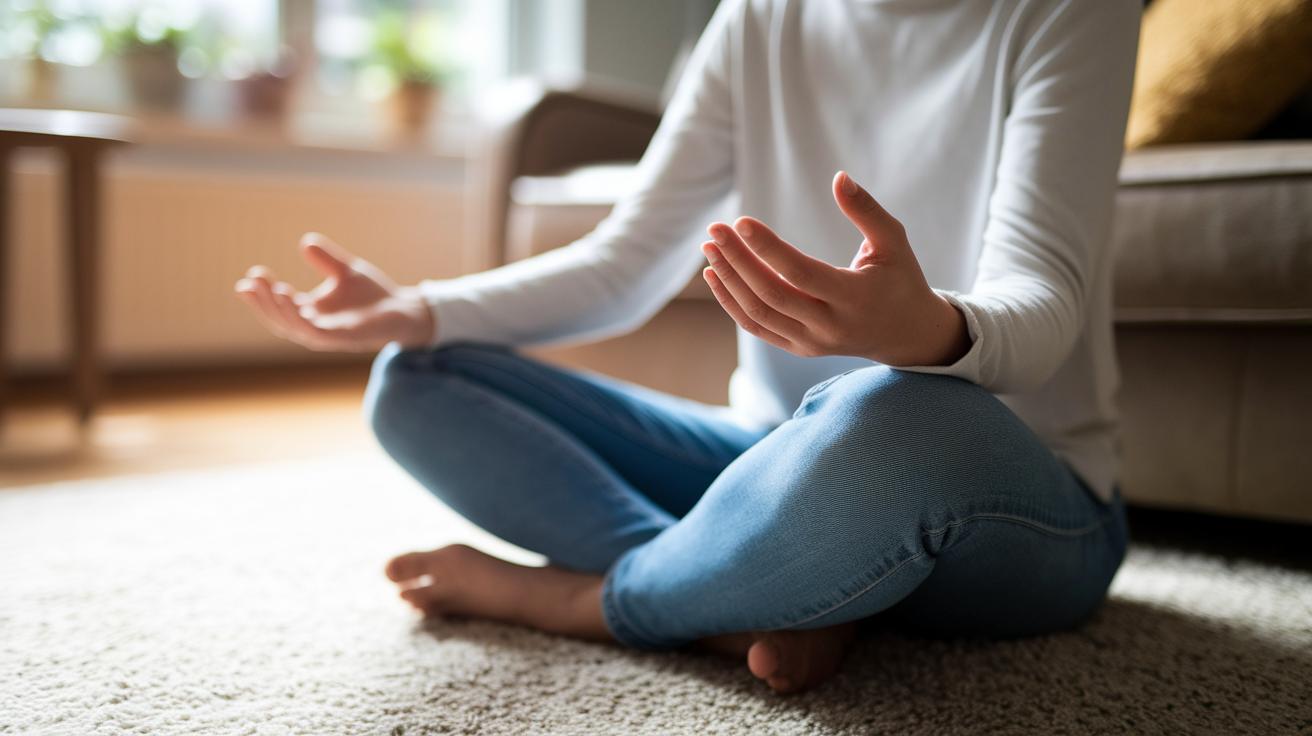
Sometimes, when anxiety starts to creep in, it helps to really feel your body and your surroundings. Try physical grounding: sit in a comfy spot and notice every place your body touches something, the feeling of your feet on the floor or your back against the chair. This simple focus can pull you gently into the present moment.
For a butterfly hug, wrap your arms across your chest and softly tap your opposite shoulders. Aim for about 10 light taps on each side, while you take a slow 4-second breath in and a 4-second breath out. This calming rhythm tells your body it’s time to settle down.
- Progressive muscle relaxation: Start with your toes. Gently tense each group of muscles for 5 seconds and then let go for about 10 seconds. Slowly work your way up toward your neck.
- Tactile focus drill: Press your hands or feet against a steady surface and deliberately slow your breathing. As you inhale and exhale over 4 counts, really notice the feeling of the texture and the pressure.
- Movement-based calming: Try walking barefoot on soft grass, feeling each step. Or, if you need an immediate jolt of sensation, hold an ice cube for 15 to 20 seconds.
Practice these exercises each day or whenever anxiety feels overwhelming. Adjust the pace and intensity until you find what feels just right for you.
Mental Grounding Techniques for Anxiety
Imagine taking a moment to really see your surroundings. With visual grounding, you let your eyes wander over the colors, shapes, and textures around you. Take five slow, deep breaths over about 30 seconds. As you do, let each detail pull you away from anxious thoughts. Picture yourself in a park, where the lush green leaves and shimmering water spark a sense of calm.
Now, listen closely. Auditory grounding invites you to focus on gentle sounds like a soft clock tick or birds singing. Take four deep, controlled breaths over 30 seconds, letting each sound help quiet your inner chatter. It’s like giving your mind a soothing lullaby that eases tension.
Verbal affirmation grounding is about kind words for yourself. Silently tell yourself, “I am safe” as you breathe in deeply three times. Hold each breath for just a couple of seconds before exhaling. Spend around 45 seconds on this little ritual. Think of it as wrapping yourself in a warm, reassuring hug every time you say those words.
Sometimes, your taste or smell can be a wonderful anchor. With taste and smell grounding, treat yourself to a small bite or enjoy a calming scent like lavender oil. Match your four slow breaths over 30 seconds with these sensory moments. This simple act helps you connect with the moment right now, making you feel more present and comforted.
| Technique | Breath Count / Duration |
|---|---|
| Visual Grounding | 5 deep breaths / 30 seconds |
| Auditory Grounding | 4 deep breaths / 30 seconds |
| Verbal Affirmation | 3 deep breaths with holds / 45 seconds |
| Taste and Smell Grounding | 4 slow breaths / 30 seconds |
The 5-4-3-2-1 Method in Grounding Techniques for Anxiety

Sometimes, anxiety hits hard and feels like it's taking over. The 5-4-3-2-1 method is a simple trick that helps bring you back to the present by engaging your senses. It’s like a mini reset button to calm your racing thoughts in just a couple of minutes.
Here’s how you can use your senses to find your focus when stress creeps in:
-
Five things you can see
Take a moment to really look around. Spot five items in your space, maybe the swirl on a curtain, a shimmering spot on your table, or a cheerful flower in the room. -
Four things you can touch
Now, gently explore your surroundings by feeling four different textures or objects. You might notice the cool, smooth surface of a chair, the soft cushion on a sofa, or even the reassuring grip of your phone in your hand. -
Three things you can hear
Tune in to the sounds around you. Identify three distinct noises, perhaps the hum of an appliance, the rustle of leaves outside, or the distant chatter of voices. -
Two things you can smell
Focus on your nose for a bit. Find two scents that stand out, like the fresh aroma of brewed coffee or a whiff of a familiar perfume that brings back a pleasant memory. -
One thing you can taste
Lastly, notice one taste lingering on your tongue. It could be the tang of a sour candy or even just the aftertaste of a mint you had earlier.
This sensory exercise is a friendly reminder to center yourself during stressful moments. By tuning into what’s right in front of you, you pause the storm of anxious thoughts and offer yourself a moment of calm. Isn't it amazing how a simple awareness of your senses can ground you in the here and now?
Deep Breathing Grounding Techniques for Anxiety
Feeling anxious? Try diaphragmatic breathing to help ease that tension. Sit in a comfy chair with your feet flat on the floor and one hand on your belly. Take a deep breath in for a count of 4, feeling your belly gently rise as you fill up your lungs. Then, slowly exhale for a count of 6, letting a wave of calm wash over you. This simple trick activates your vagus nerve (a little nerve that helps your body relax) and sends a soothing signal throughout. Picture it like drawing in a refreshing breeze on a quiet morning.
Next, give the 4-7-8 technique a go. Breathe in through your nose for 4 seconds, hold that breath for 7 seconds, and then breathe out completely for 8 seconds. It’s a smooth, rhythmic way to slow down your racing heart, almost like hitting pause in your favorite song before the next gentle beat.
You might also enjoy box breathing. Imagine a square where you breathe in for 4 seconds, pause for 4 seconds, breathe out for 4 seconds, and then hold the breath again for 4 seconds. This even, steady pattern helps calm your mind and balance your body.
Lastly, try mindful sighing. Take a deep, intentional inhale and then let out a noticeable sigh. This little act lets go of tension in your face, chest, and shoulders, it’s like telling your body, “Hey, it’s time to relax!”
Integrating Grounding Techniques for Anxiety into Your Daily Routine

Imagine starting your morning with a mindful ritual right from your bed. As soon as you wake up, spend about 60 seconds gently scanning your body, from your toes to your head, to check in with how you feel. It’s like giving yourself a little wake-up call to help you connect with your senses.
Then, when you’re in the shower, turn that everyday routine into a sensory treat. Feel the warm or cool water on your skin and listen to the consistent rhythm of the droplets. Picture the water washing over you like a natural reset that refreshes and soothes your mind.
Next, consider your commute as a chance to center yourself. Whether you’re driving or walking, try a simple 4-7-8 breathing technique, inhale slowly for 4 seconds, hold for 7, and exhale gently for 8. Along the way, you can also name the landmarks passing by, letting each familiar sight remind you to stay present.
Even the little chores, like folding clothes or washing dishes, can be moments of calm. When you handle these tasks, notice the texture of the fabric or the smooth feel of the utensils. Each touch can bring you back to the present, making ordinary moments feel a bit more special.
Before jumping into meetings or important tasks, pause for a quick self-soothing moment. Give yourself a gentle tap on the shoulders and softly say, “I am grounded.” This simple, comforting act can help focus your thoughts and bring a sense of calm before you move on with your day.
Final Words
In the action, we explored calm-inducing practices like deep breathing, mindful focus, and the 5-4-3-2-1 method. These grounding techniques for anxiety help you reconnect with the present using sensory details and simple physical cues. We also looked at ways to mix these methods into everyday life for that extra moment of peace. Embrace these techniques, knowing each step brings you closer to feeling balanced and empowered. Stay positive, confident, and ready to enjoy a calmer, stylish day.
FAQ
How do grounding techniques help therapists and those experiencing anxiety?
Grounding techniques help therapists and individuals by pulling attention away from stressful thoughts. They focus on the present moment using simple sensory-based exercises, which brings calm and eases anxiety.
Where can I find free or PDF resources for grounding techniques for anxiety?
Many online sources offer free PDFs and community discussions with clear lists of grounding exercises. These guides typically include deep breathing, sensory focus, and body scan practices for quick relief.
How do grounding techniques work for both anxiety and depression?
Grounding techniques work by redirecting your focus from overwhelming feelings to present sensations. Engaging your senses interrupts negative thought patterns and helps alleviate both anxiety and depression.
What are the 5 grounding techniques for anxiety?
The 5 grounding techniques include deep breathing, body scan relaxation, mindful sensory awareness, self-soothing postures like the butterfly hug, and physical connection with the environment.
What is the 3-3-3 rule for anxiety?
The 3-3-3 rule for anxiety involves naming three things you see, three textures or feelings you sense, and three sounds you hear to quickly center your thoughts in the present.
What is the 5-4-3-2-1 anxiety method?
The 5-4-3-2-1 method asks you to identify five things you see, four you can touch, three you hear, two you smell, and one you taste. This systematic observation helps pull your focus away from anxiety.
How can grounding techniques reduce anxiety quickly?
Grounding techniques reduce anxiety quickly by shifting your focus from distressing thoughts to the present moment. Simple exercises like deep breathing or the 5-4-3-2-1 method can calm your mind in moments.