
Ever feel like you're always in a rush, like you're running on empty? It’s like a hidden weight slowly piling up, stress builds little by little, touching your body, your mind, and even your daily routines. You might notice a few sleepless nights or even skip a meal here and there, and suddenly, that constant pressure steals your energy. Let’s chat about how catching these early signals can help invite a calming pause, so you can regain control and find a bit of peace amid life’s busy moments.
Identifying Chronic Stress: Symptom Categories and Overview
Chronic stress feels like a constant pressure that never gives your body a break. It usually comes from ongoing issues like money worries, work problems, conflicts with friends or family, health issues, or even just dealing with too many emotions. Unlike a quick jolt of stress, like the burst of energy you feel before a big performance, chronic stress sneaks into your day and makes it hard to relax. Picture a student facing nonstop homework; little by little, the pressure builds up and wears you down.
Stress shows itself in three main ways: through your body, your mind, and your everyday habits. Physically, you might deal with headaches or sore muscles. Mentally, it can make you feel grumpy, anxious, or even sad for no clear reason. And behaviorally, you might notice changes like skipping meals or having trouble sleeping. Keeping a simple one-week stress log, where you jot down small signals like a skipped breakfast or a restless night, can help you see a pattern, kind of like spotting that exam week always brings extra nerves.
Noticing these signs early is the first step to feeling better. When daily tasks leave you feeling drained or you catch yourself missing meals and losing sleep, it’s your body’s way of sending a friendly reminder to slow down. Tracking these signals is like following a map to a moment of calm. Once you see the signs, you can take steps to handle the stress before it really starts to affect your life.
Physical Manifestations in Chronic Stress Symptoms

When stress sticks around, your body gears up as if it's facing a big, ongoing challenge. It's like an endless alarm that keeps you on guard, even when things seem calm. You know that nagging feeling of tension or that constant fatigue? That’s your body sending you a friendly alert that something isn’t quite right.
Over time, this stress can tip your body’s balance. Muscles might feel stiff, your heart could race like it’s in a marathon, and your tummy may even grumble with discomfort. These are more than just random quirks; they’re clear signals that stress isn’t just in your mind, it shows up right where you feel it.
- Consistent headaches that grab your attention
- Muscles in your neck, shoulders, or back that just won’t relax
- A heart that races, making you feel a bit too alert
- An upset stomach that might lead to cramps or even diarrhea
- That lingering, tired feeling that never quite fades
- A tight chest along with unexplained aches
Each of these signs is your body’s way of nudging you to take a pause. By noticing and addressing these early on, you can turn these stress signals into a chance to care for yourself. Next time you feel them, try to slow down, breathe deeply, and give yourself some much-needed love.
Emotional and Cognitive Signs of Chronic Stress
Ever noticed how stress can sneak up on your feelings? When stress sticks around, it can shift your mood into overdrive. You might feel anxious for no clear reason or find yourself snapping at little things that used to tickle you in a good way. Sometimes, you might even feel a bit blue or notice your mood swinging wildly, leaving you wondering why you're not yourself. For example, a friend once shared that during a non-stop work stretch, even tiny setbacks felt like a huge deal, showing how deeply stress can change your emotions.
On the mental side, stress can play tricks on your mind, too. Imagine trying to focus and suddenly feeling like your brain is wrapped in fog; simple tasks seem bigger than they ever were. Memory slips or moments of being stuck on decisions that used to come naturally can happen, like your thoughts are scattered across different radio channels. That constant worry might even crowd out the present, making it hard to enjoy the little joys of your day.
It’s interesting how these emotional and mental shifts often come together, bubbling up as anxiety. When that unending worry not only makes you feel nervous, but also scrambles your thoughts, it tends to turn into a cycle that's tough to break. Recognizing these signals can be a gentle reminder to slow down and take care of yourself. Whether you’re jotting your thoughts in a journal or pausing for a few deep breaths, listening to these signs might just lead you to a calmer, more centered day.
Behavioral Indicators and Lifestyle Impacts of Chronic Stress
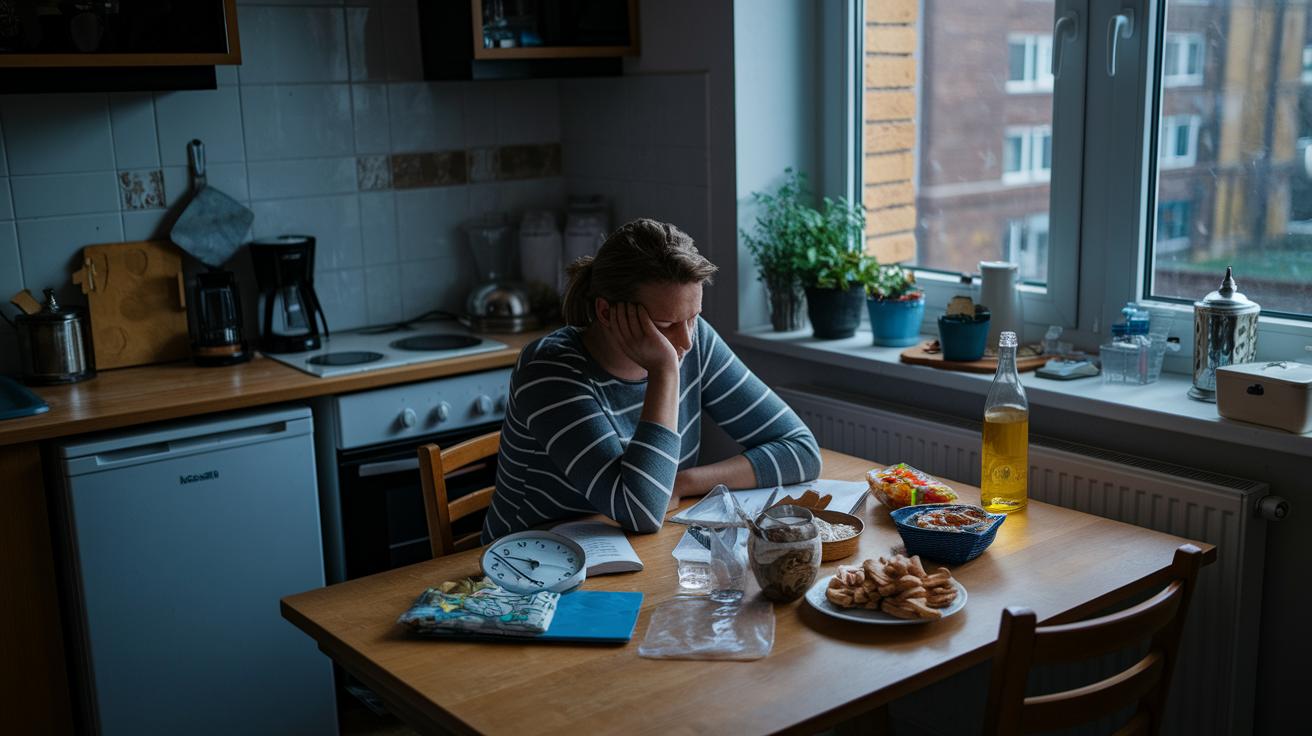
Chronic stress can slowly creep into your everyday life, making the little routines seem a bit off. You might suddenly crave your favorite comfort foods or, on other days, lose your appetite altogether. At the same time, your sleep gets unpredictable, one night you might struggle to fall asleep and the next, you oversleep. It all adds up, leaving you feeling a bit out of sync and less excited about activities or catching up with friends.
Sometimes, the urge to escape leads to reaching for more alcohol than usual. And then there are days when your weight fluctuates, extra snacking might add a few pounds, while a loss of appetite could cause weight to drop. These changes are like gentle alerts from your body, nudging you to take a moment, breathe, and consider kinder, more balanced habits.
chronic stress symptoms inspire mindful calm
When stress lingers, it’s more than just a passing worry, it sets off a chain reaction in your body that can lead to serious health issues over time. Imagine your body, usually a calm space, suddenly feeling like it’s in perpetual overdrive, affecting your heart, digestion, mood, and more.
| Health Domain | Examples of Conditions | Underlying Mechanism |
|---|---|---|
| Cardiovascular | Hypertension, heart disease | Increased blood pressure with chronic inflammation |
| Immune System | Frequent infections, slow healing | Suppressed immune response |
| Metabolic Function | Weight gain, insulin resistance | Hormonal imbalances from stress hormones |
| Mental Health | Depression, anxiety disorders | Neurochemical disruptions linked to prolonged stress |
| Gastrointestinal | Ulcers, IBS | Disrupted gut function and stress-related inflammation |
Ever notice how your body speaks up when it’s overwhelmed? A racing heart or a churning stomach isn’t just “in your head”, it’s your body asking for a mindful break. Taking a moment for yourself, whether it’s a brisk walk or a few deep breaths, can really help reset your inner balance.
Small, steady acts of self-care like regular exercise, a nutritious meal, or a quiet pause to reflect can ease that build-up of tension and guide you toward a healthier, more centered life.
When to Seek Professional Help for Chronic Stress Symptoms
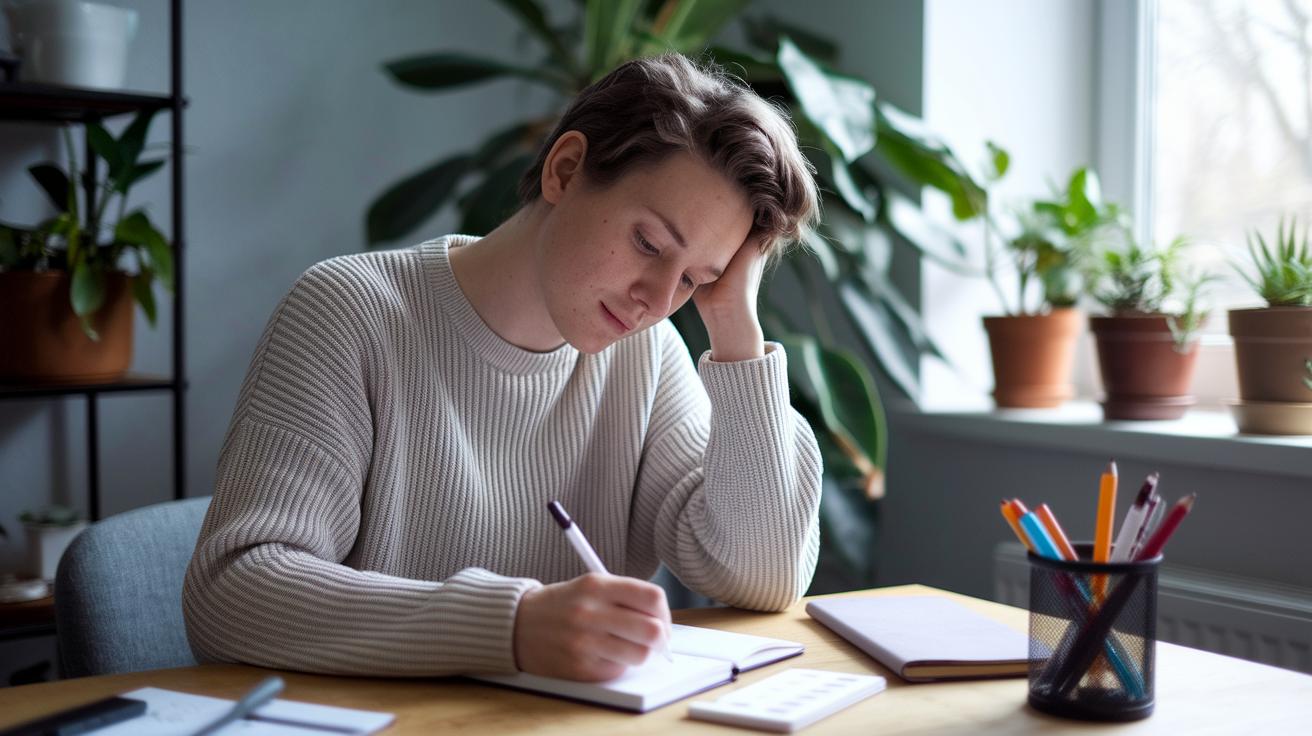
If stress starts messing with your sleep, work, or personal relationships and lingers for weeks on end, it might be time to look for some extra support. Try keeping a stress log or using a simple tool like the Perceived Stress Scale (a quick way to gauge your stress levels) to get a better picture of what’s going on.
These little self-checks can really help you notice when your stress is building up too much. And trust me, sometimes a small record-keeping habit is all it takes to flag when it’s time to chat with a professional.
There are plenty of treatments available that can lighten the load. Whether it’s cognitive behavioral therapy (a friendly way to reframe negative thoughts), a structured program to manage stress, or even just some regular exercise coupled with mindful activities like simple mindfulness exercises at home, these tools can make a big difference.
When you see those red flags, consider reaching out to a health professional. It’s a great step towards regaining balance and taking care of yourself, one gentle habit at a time.
Final Words
In the action of our discussion, we unpacked how persistent pressure shows up in daily life, from muscle tension and racing heartbeats to mood swings and sleep troubles. The guide detailed physical, emotional, and lifestyle signals that many experience as chronic stress symptoms.
Breaking these signs into clear steps makes it easier to spot early warnings and take action. Small, mindful changes can lift your days, helping you feel informed, stylish, and ready for whatever comes next.
FAQ
What does chronic stress treatment include?
Chronic stress treatment includes a mix of professional help and self-care practices. It often involves therapies, mindfulness, exercise, and lifestyle tweaks that help lower stress levels and restore balance.
What physical symptoms indicate stress affecting your body?
Physical stress signs may include tension headaches, tight muscles, rapid heartbeat, digestive upsets, constant fatigue, and chest tightness. These signals suggest your stress is impacting your body, so early self-care matters.
How do chronic stress symptoms differ in women and men?
Chronic stress symptoms in women and men usually appear similarly, like headaches and fatigue, though mood shifts and pain patterns might vary. Recognizing these unique signals can guide a more personalized approach to care.
How can you tell if you have chronic stress?
You can tell you have chronic stress by noticing ongoing physical, emotional, and cognitive changes—persistent fatigue, mood fluctuations, concentration issues, and a mix of bodily discomfort that lasts for weeks.
What are common signs of long-term stress on the body?
Long-term stress can trigger physical, emotional, and behavioral shifts. These include chronic headaches, mood dips, sleep problems, appetite changes, and weight fluctuations, all serving as early warnings of serious health risks.
How do you recover from chronic stress?
Recovering from chronic stress means embracing regular self-care routines like mindfulness, exercise, and adequate sleep while sometimes seeking professional help to reset and support your overall well-being.