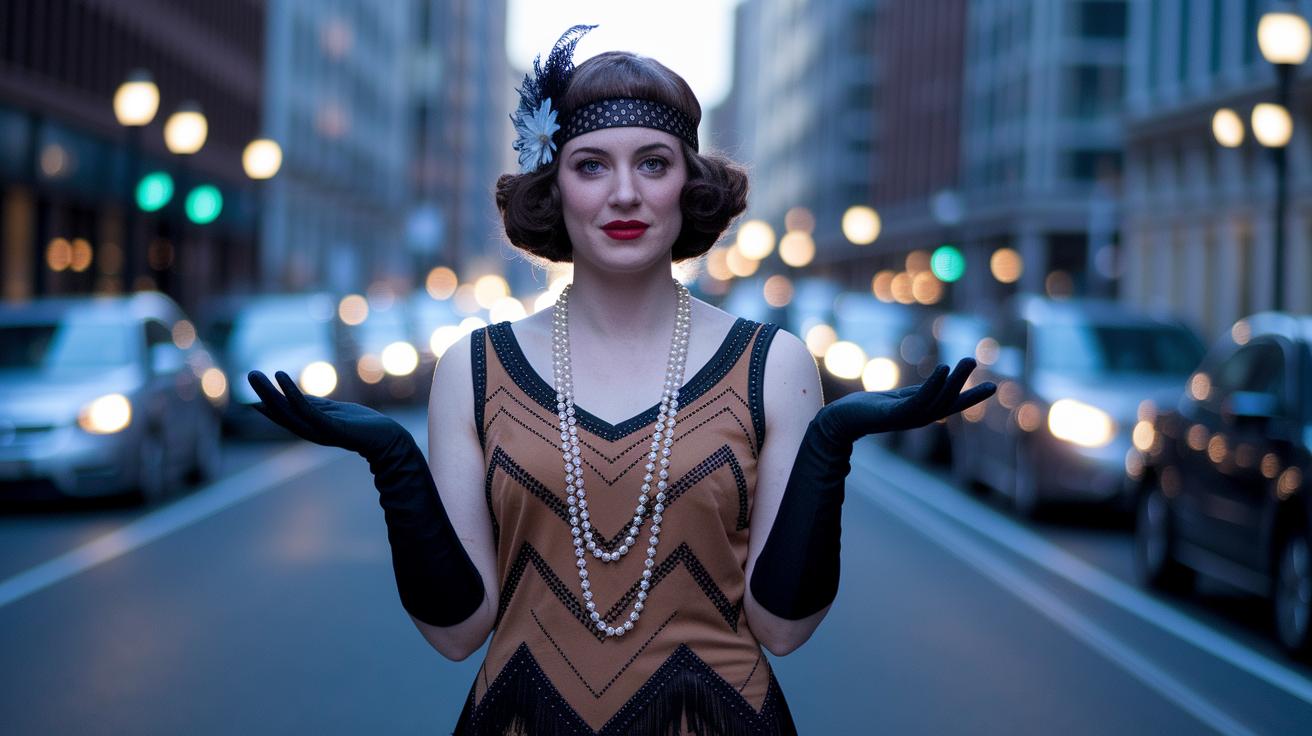
Have you ever wondered why 1920s style still captivates us? After World War I, people chose to celebrate life by swapping strict dress codes for fun, playful looks that seemed to dance along with the beat of jazz. Bold flapper dresses, striking silhouettes, and trendy accessories broke old rules and sparked a wave of newfound confidence. Today, that vintage vibe inspires us all, telling a timeless story of art, freedom, and heartfelt self-expression.
1920s fashion Radiates Retro Flair
After World War I, the world felt like it was finally breathing again. With more money and a fresh sense of freedom, people started dressing to express emotion and creativity. The smooth sounds of jazz spilled into every design, giving each piece a burst of charm and lively elegance. Imagine stepping into a smoky speakeasy where the soft whisper of fabric syncs perfectly with a soulful sax, each detail telling you it was a turning point in style history.
Women completely rewrote the rules of fashion during these roaring days. They swapped heavy, old-fashioned dresses for shorter skirts, bold makeup, and cool bobbed hair that spoke of newfound independence. Art Deco lines and sharp geometric shapes brought a modern twist to everyday wear, blending rebellion with grace. Think about a room filled with whispers of freedom, from a daringly low waistline to a carefully chosen accessory, all inviting you to celebrate a spirit of self-expression that still inspires today.
Signature Women’s Silhouettes and Flapper Dresses of the 1920s
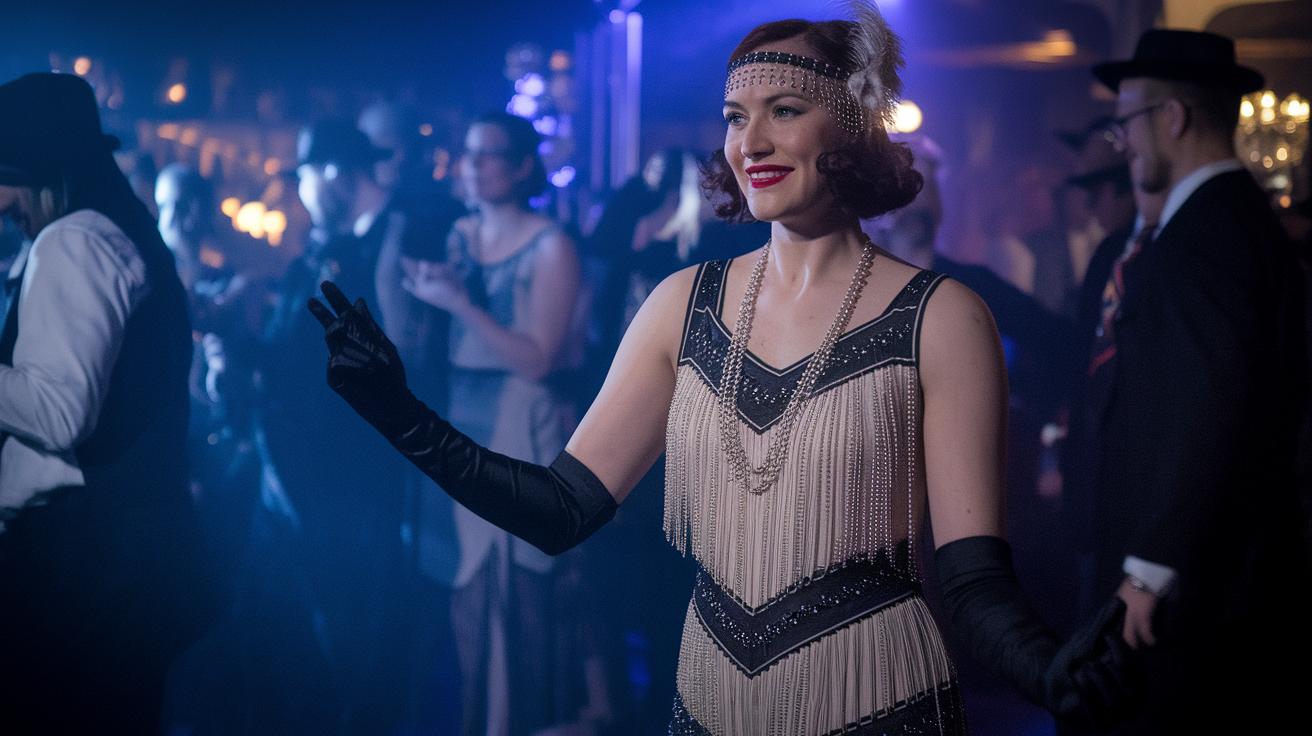
Flapper dresses broke away from old-fashioned styles and brought a fresh, carefree vibe to the 1920s. With dropped waists and knee-length hems, these dresses made it easy to move and feel comfortable while looking stylish and fun. Designers loved adding playful touches like shimmering bead fringes, twinkling sequin details, and silky satin cuts that flowed beautifully. Layered chiffon skirts created a soft, swaying effect, and geometric embroidery gave a nod to the trendy Art Deco look. By mixing fabrics from light rayon to luxurious silk, these dresses became both creative and daring.
- Drop‐waist fringe dress with seed beads
- Silk satin cocktail gown with a bias cut
- Sequin-embroidered evening wear
- Tiered chiffon swing skirt ensemble
- Geometric Art Deco embroidery motifs
- Rayon day dress with a dropped waist
These designs were more than just pretty outfits, they were a celebration of freedom and independence. The light, graceful cuts and fun details matched the energetic spirit of the era, inviting women to express their individuality with every step. Ever notice how a great dress can make you feel unstoppable? That’s the irresistible charm of these unforgettable silhouettes.
Dapper Men’s Suits and Gatsby-Era Tailoring in 1920s Fashion
Back in the 1920s, men’s suits brought a fresh, new vibe to style. At first, suits were sharply tailored with slim cuts and narrow lapels, giving off a look of neat precision. But as the years went by, styles got a bit more relaxed. Suits became looser with higher waistlines, bold pointed lapels, and three- or four-button closures that mixed comfort with flair. Each little detail hinted at the refined look of the era and a spark of rebellious spirit. And, of course, accessories like silky pocket squares and vintage fedoras added that extra touch of charm.
Tailors took suit-making to a whole new level during this time. They played with popular fabrics like wool (a cozy, durable material) and flannel (soft and perfect for everyday wear). Innovations included flat-front, tapered trousers with a neat single pleat and crisp chalk-stripe double-breasted jackets that screamed confidence. Classic bow ties and smart neckwear rounded off the look, keeping things both practical and stylish. Step into any 1920s speakeasy, and you can almost feel the buzz of menswear made to capture the lively spirit of the times.
| Style | Features | Fabric |
|---|---|---|
| Slim Tailoring | Narrow lapels, streamlined cut, single-pleat trousers | Wool |
| Loose Sophistication | High waist, wide pointed lapels, three-button closure | Flannel |
| Chalk-Stripe Classic | Double-breasted jacket, tapered trousers | Wool blend |
Accessories and Art Deco Influences in 1920s Fashion
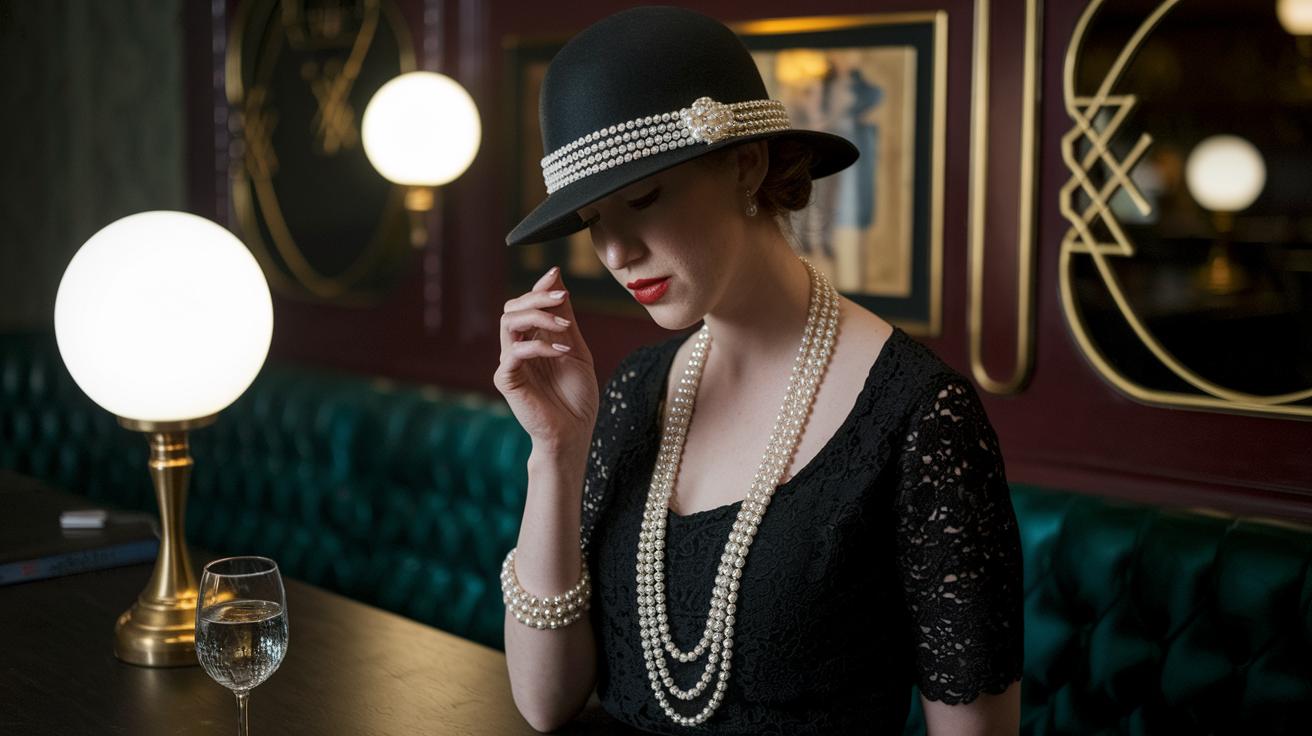
Cloche hats ruled the 1920s, worn low on the forehead to create a hint of mystery perfect for a jazz-filled night. Women loved these stylish hats, not only did they help block the bright speakeasy lights, but they also added a unique touch to every outfit. Imagine a cloche hat sitting smoothly atop your head, turning an ordinary day into something truly special.
Jewelry in the 1920s captured the lively vibe of Art Deco with sharp, angular designs, delicate enamel details, and sparkling pearls. These pieces were like little works of art that made even a simple look pop. Picture long strings of pearls draped over a sleek dress, effortlessly elevating a casual day into a celebration of style, as if each piece was sharing its own enchanting tale.
Hand-held accents such as opera gloves, silk satin scarves, and cigarette holders were the perfect finishing touches of the Jazz Age. They added a playful flair and a touch of drama to every movement, making everyday gestures feel elegant and intentional. Just think of vintage gloves that turn a simple handshake into an artful conversation, a stylish nod to a time when every accessory told a story.
Period Makeup and Hairstyles: The Jazz Age Beauty Look
Back in the Jazz Age, beauty was all about lively self-expression. Women embraced bold, fresh looks that matched the energetic rhythms of the era. They played with sleek hairstyles and striking makeup, perfect for a night out dancing. Picture chin-length bobs that framed the face beautifully, graceful finger waves that added a touch of romance, and the edgy Eton crop that brought a modern twist. These styles were crafted using water-based gels and pin curls, resulting in smooth, defined shapes full of character.
Makeup took center stage too. Dark plum and scarlet lipsticks offered a bold splash of color, while kohl-rimmed eyes and softly powdered faces lent an air of mystery. This smart mix of innovative hairstyling and vibrant makeup brought together a look that was adventurous yet refined, capturing the very essence of flapper charm.
- Chin-length bob haircut
- Finger wave hair pattern
- Eton crop hairstyle
- Dark plum or scarlet lipstick
- Kohl eyeliner with smokey eyes
- Rosy rouged cheeks
Together, these elements created the unmistakable allure of Jazz Age beauty.
Notable Designers and Cultural Impact on 1920s Fashion
Coco Chanel changed everyday fashion by making jersey dresses and faux pearls popular. Her ideas allowed women to enjoy both comfort and style without any fuss. Meanwhile, Paul Poiret decided it was time for a change. He freed women from those tight, old-school corsets and introduced tunic silhouettes that were relaxed and full of playful spirit.
Then there’s Madeleine Vionnet, who completely reinvented dressmaking with her clever bias cut, a technique that lets fabrics fall naturally and gracefully over the body. Each of her dresses flowed with a gentle elegance, whispering hints of modern freedom and sophistication.
Erté brought a whole new vibe to stage and evening wear. His Art Deco-inspired creations, packed with bold lines and cool, geometric patterns, transformed couture into a dynamic art form. His designs perfectly captured the lively energy and expressive moods of the Jazz Age.
And don’t forget the role of the night. The vibrant jazz clubs and secret speakeasies stirred up a social revolution in style. The daring, pulse-pounding spirit of Prohibition-era gatherings pushed designers to blend classic European couture with a fresh sense of modern liberation, creating looks that were both refined and rebelliously fun.
Modern Revival and Vintage-Inspired 1920s Fashion Today
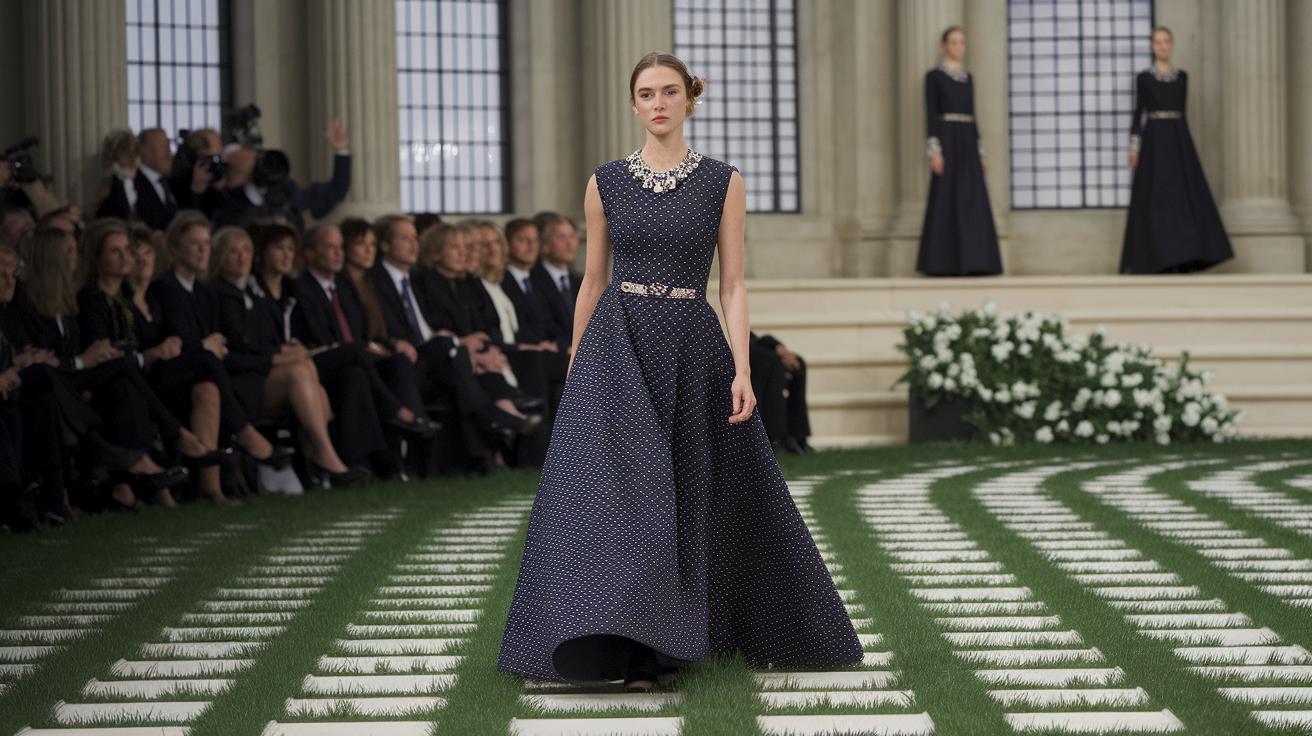
Today’s runways and red carpets sparkle with a mix of old-school charm and modern flair. Designers pair drop-waist silhouettes with delicate beaded headbands, adding a touch of Art Deco magic to breathe new life into classic styles. Pearls and sheer stockings are charming their way back, perfectly complementing looks that feel both vintage and timeless.
This trend isn’t just stylish, it’s eco-friendly too. By reusing treasured vintage pieces, designers are sparking sustainability while reviving elegance from the past. Think of it as mixing shiny metallic fringes with soft, silky fabrics to whip up cocktail and gala gowns that wink at the roaring twenties while embracing today’s vibes.
Fashion shows are now all about reinterpreting the flapper era with fresh ideas. Red-carpet ensembles blend vintage details with cool accessories that shine with everlasting grace. It feels like classic glamour is having a modern moment, proving that style from the past can inspire today’s trends and eco-conscious choices.
Final Words
In the action, the piece explored a rich array of style highlights from the Roaring Twenties. It walked us through bold silhouettes, dapper tailoring, striking accessories, and signature beauty tips. The discussion also hinted at how classic details get reimagined today, blending history with modern elegance. Every segment served as a gentle reminder to embrace your unique flair. 1920s fashion continues to inspire fresh takes on timeless style.
FAQ
What fashion was popular in the 1920s?
The popular 1920s fashion featured drop-waist dresses, slim men’s suits, and energetic flapper styles inspired by jazz and art deco, embracing bold new silhouettes and a sense of liberation.
How should I dress for a 1920s party?
The ideal 1920s party outfit includes period details like flapper dresses or tailored suits, cloche hats, and art deco accessories, letting you capture the lively speakeasy spirit of the era.
What is Great Gatsby fashion?
Great Gatsby fashion channels the sophisticated, daring flair of the Jazz Age by mixing luxurious fabrics, refined silhouettes, and glittering accessories, echoing the stylish yet rebellious mood of the time.
How did 1920s fashion vary for men, women, and plus sizes?
The 1920s style tailored slim, elegant suits for men, liberated and playful silhouettes for women, and emerging plus-size options, all emphasizing modern cuts and vibrant details suited to diverse body types.
What defines the flapper dress look from the 1920s?
The flapper dress is defined by its dropped waist, knee-length hem, and lively embellishments like beads and sequins, symbolizing a spirit of freedom and playful rebellion unique to the era.
What term described fashionable people in the 1920s?
During the 1920s, chic young women were known as “flappers” while smart, stylish men were often called “dandies,” both terms capturing the era’s fresh and rebellious approach to style.
How are 1920s trends influencing modern fashion?
Modern designers draw on 1920s trends by reviving drop-waist silhouettes, geometric embellishments, and vintage accessories, blending classic charm with sustainable, contemporary fashion inspirations.