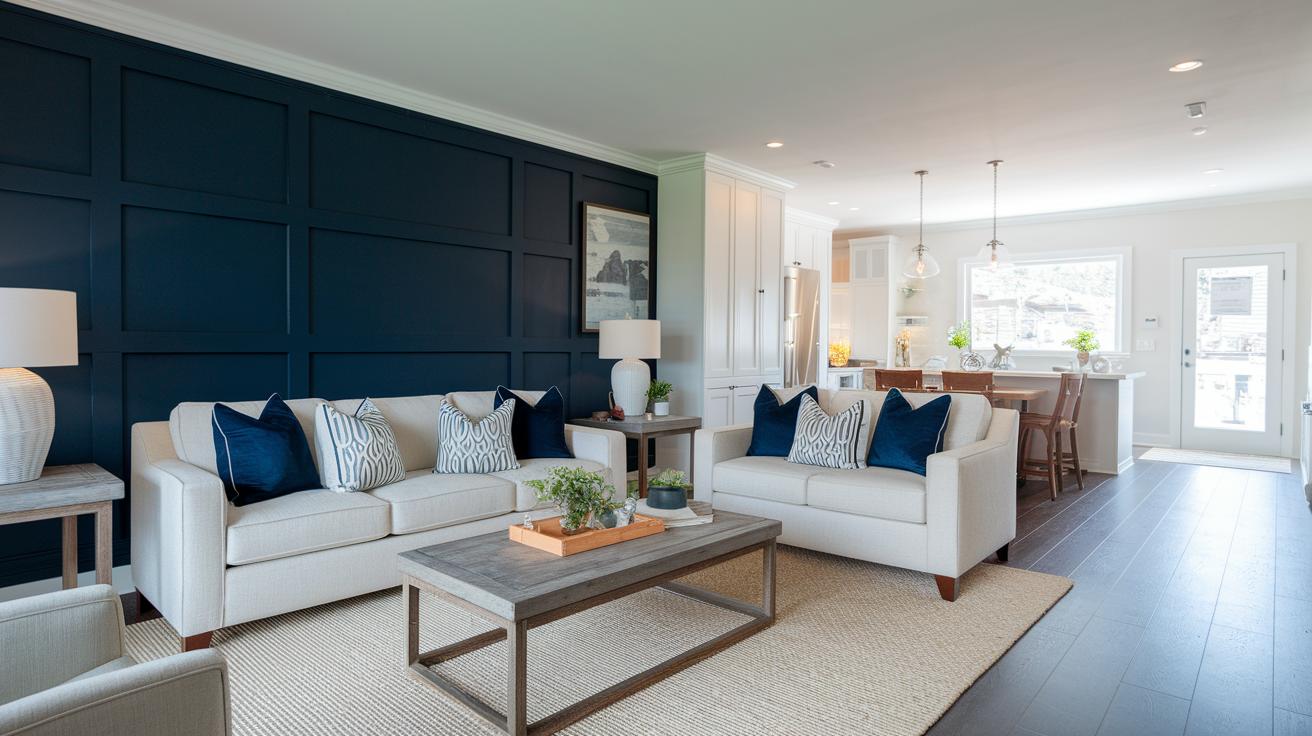
Ever notice how one special wall can make your whole room feel new? An accent wall is like that killer accessory that ties everything together without making it too busy. It adds a pop of color, a hint of charm, and just the right balance to your space.
In this chat, I’ll help you pick the perfect spot, choose a hue that speaks to you, and blend it smoothly with your furniture. Ready to give your room a stylish, refreshing makeover?
How to Select the Right Accent Wall for Your Space
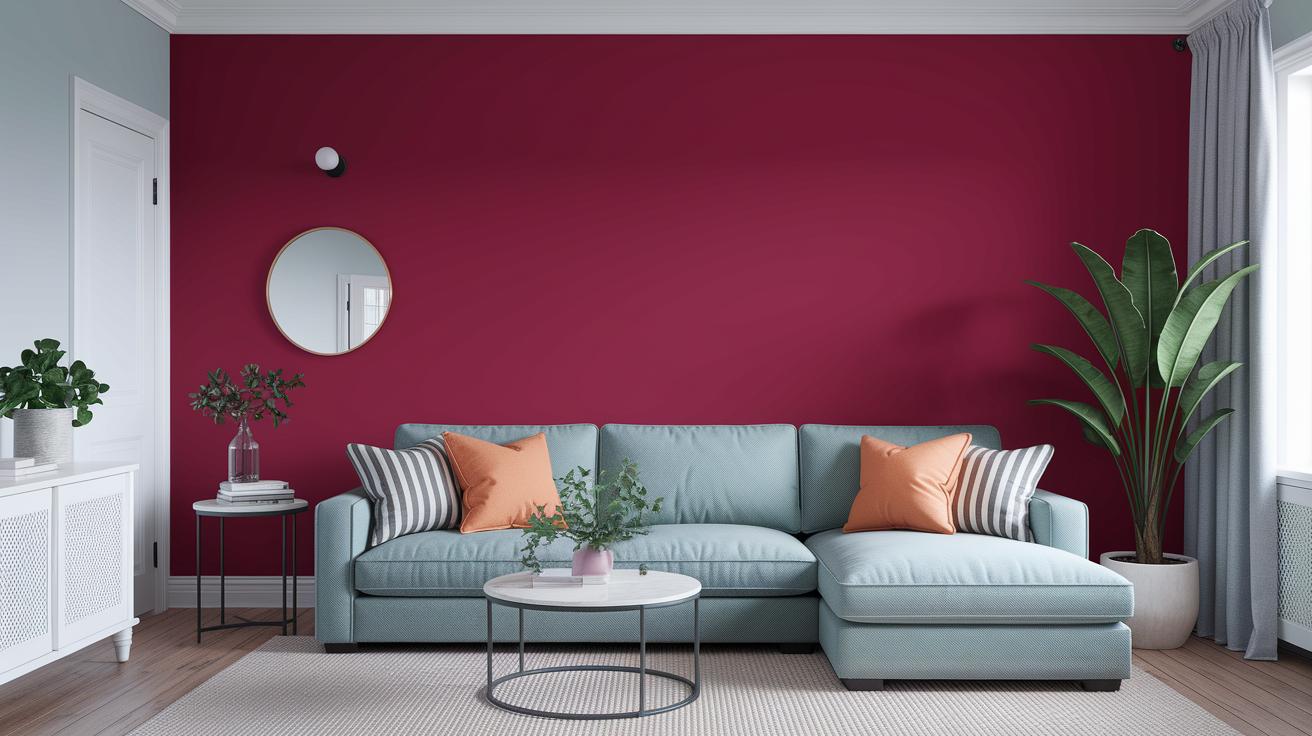
An accent wall is like the star of your room, it pulls you in and becomes the main point of interest. Think about a striking wall behind your sofa or bed that instantly sets the mood of the entire space. To keep the design looking neat, pick a wall with a smooth, uninterrupted surface; that means steering clear of spots cluttered by doors or windows.
And don’t forget about placement. The perfect spot can balance out your room and bring a natural flow from one area to another. A well-chosen accent wall can effortlessly blend color, texture, and functionality. Take a moment to walk around your space, and imagine how the wall will work with your favorite furniture.
- Look for the room’s natural focal point.
- Ensure the wall stays unobstructed by doors or windows.
- Consider how light plays on the wall and highlights its color.
- Coordinate the wall with the room’s overall function.
These simple steps can transform an ordinary area into a lively, inviting space that ties everything together. By focusing on the right wall and how it interacts with your lighting and furniture, you’re set to add a fresh twist to your décor.
Picking the Perfect Accent Wall Color

Bold colors have a way of speaking up, while softer shades bring a gentle calm to your room. Imagine it like seasoning your favorite meal, you want just the right amount to brighten everything up without overwhelming it. A pop of a vivid Yellow-Pink, for example, can liven up a plain backdrop, adding that extra burst of energy and personality.
Here are a few friendly tips to guide you:
- Try out sample patches in different lighting to see how the color changes throughout the day.
- Look for undertones that match your current decor so the new accent complements your favorite pieces.
- Use a color wheel tool (it’s like a fun little guide) to find shades that naturally blend well with what’s already around you.
- In a small room, keep the accent a bit more subtle to avoid a crowding effect.
- Think about the paint finish too, since the right sheen can make textures pop and keep your wall looking fresh.
For a well-balanced design, it’s important to consider the size of your room too. In a larger space, you might experiment with richer colors or even a technique called Double Drenching (using similar related shades) for a layered look that really catches the eye. Meanwhile, in smaller rooms, a toned-down approach lets your accent wall shine without overpowering the space. The trick is to test and observe until you find that perfect match that makes your entire room feel inviting.
Using Texture and Materials on an Accent Wall
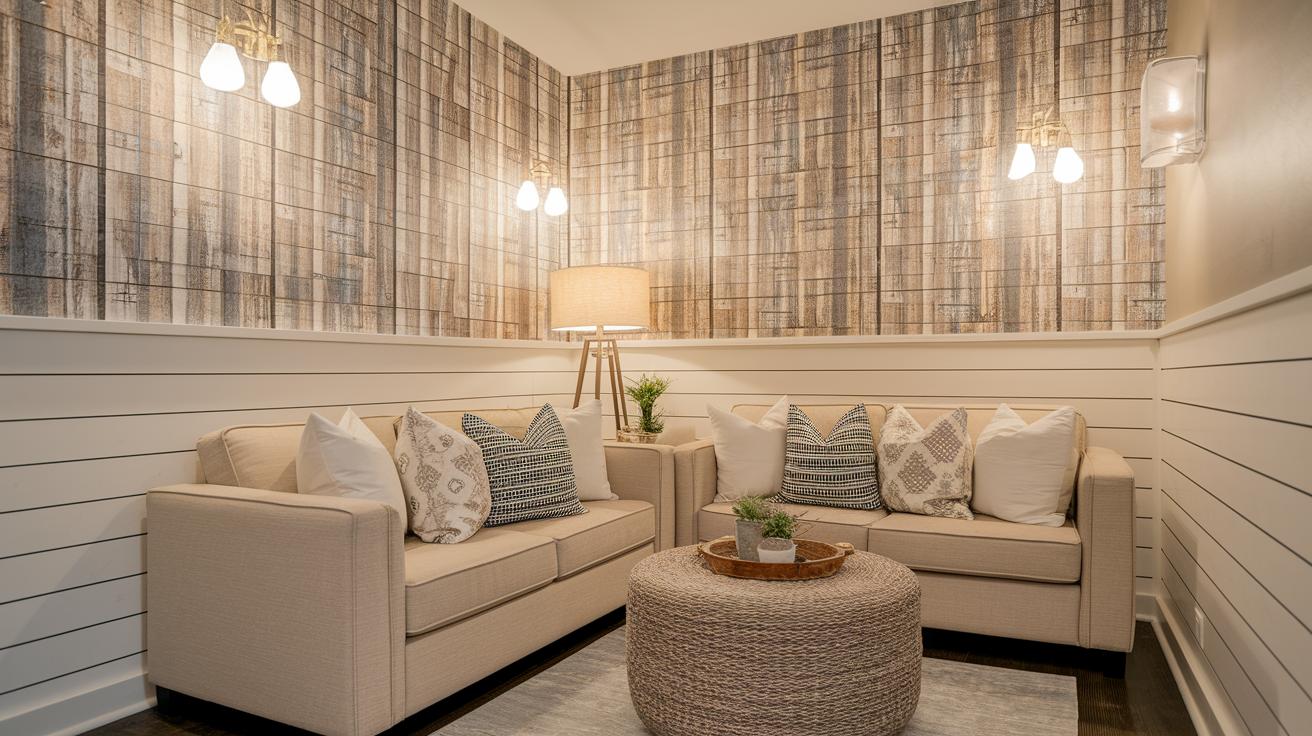
Texture can totally change a room by inviting you to feel and see its unique charm. When you mix different materials, you create a layered look that shouts out your style. For example, a patterned wallpaper pops with a bold design that grabs attention, while shiplap panels or wood planks add a warm, natural vibe. It's like giving your wall a personality that shifts with the light and your perspective. Think of it as dressing your space in a collection of textures that work together for a charming, cohesive look.
| Material | Visual Impact |
|---|---|
| Patterned Wallpaper | Bold motif focus |
| Shiplap Panels | Rustic depth |
| Wood Planks | Warmth & grain |
| Textured Plaster | Soft sculptural effect |
Layering different treatments opens up a world of creative fun. Try pairing a smooth painted area with textured elements like peel-and-stick panels or reclaimed wood. This mix creates a playful balance between firmness and flow, resulting in a custom look that's as practical as it is stylish. By blending these textures, your accent wall becomes both bold and inviting, perfectly reflecting the unique personality of your room.
Positioning and Layout Planning for Accent Walls
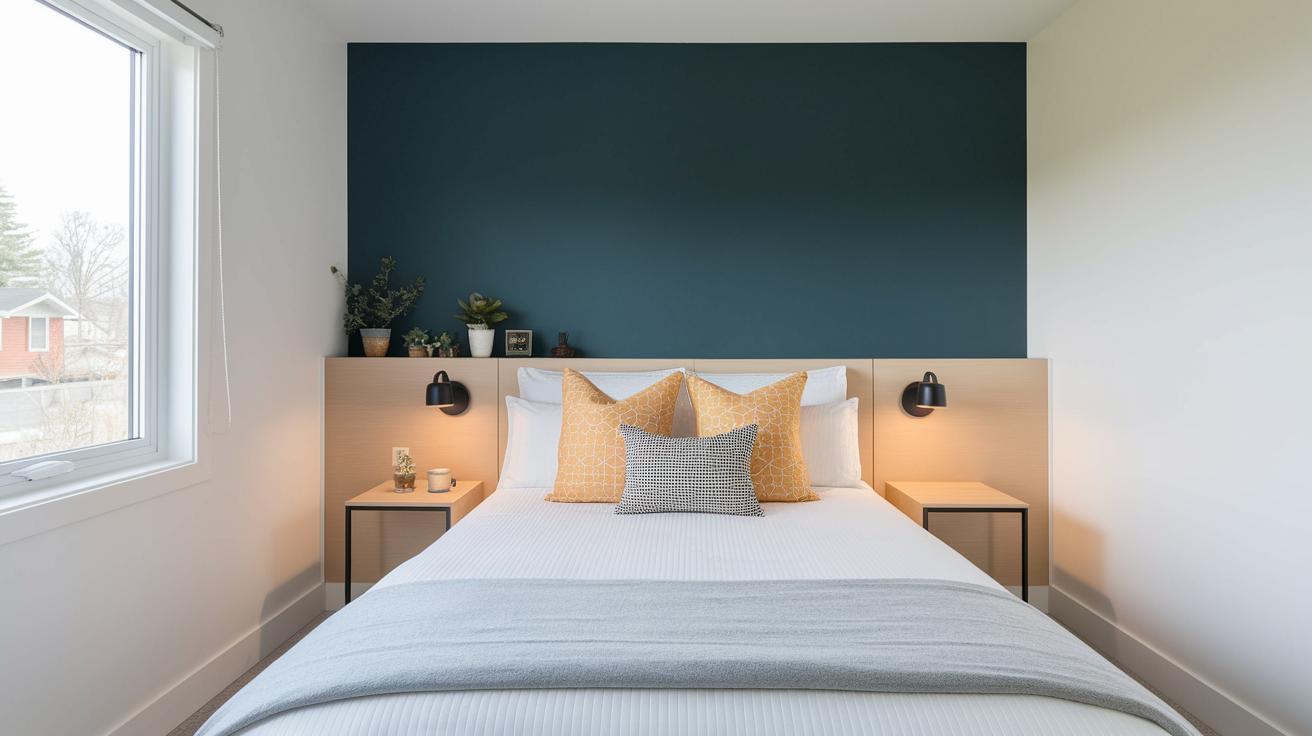
When you're choosing an accent wall, start by checking out your room's layout. Look at the different wall sizes and note any little interruptions like windows, doors, or built-in shelves. A nice, clean wall without breaks can help set a clear focal point, think of it like the perfect backdrop behind a cozy headboard or a unique corner in a small space. Also, consider how your furniture fits along that wall to make sure it really shines as the room's star.
Next, think about how the room flows. Balance open spaces with key points of interest. Sketch out your room, including where your furniture sits. This helps you see which wall naturally grabs attention and fits best with your overall design plan.
Steps to guide your planning:
- Sketch the room’s layout, including where your furniture goes.
- Mark important features like windows, doors, or built-ins.
- Highlight the walls that could be great focal points on your sketch.
- Imagine how your furniture looks with each candidate wall.
Take your time with this process, it’s all about making your space feel just right!
Lighting and Accessories to Enhance Your Accent Wall
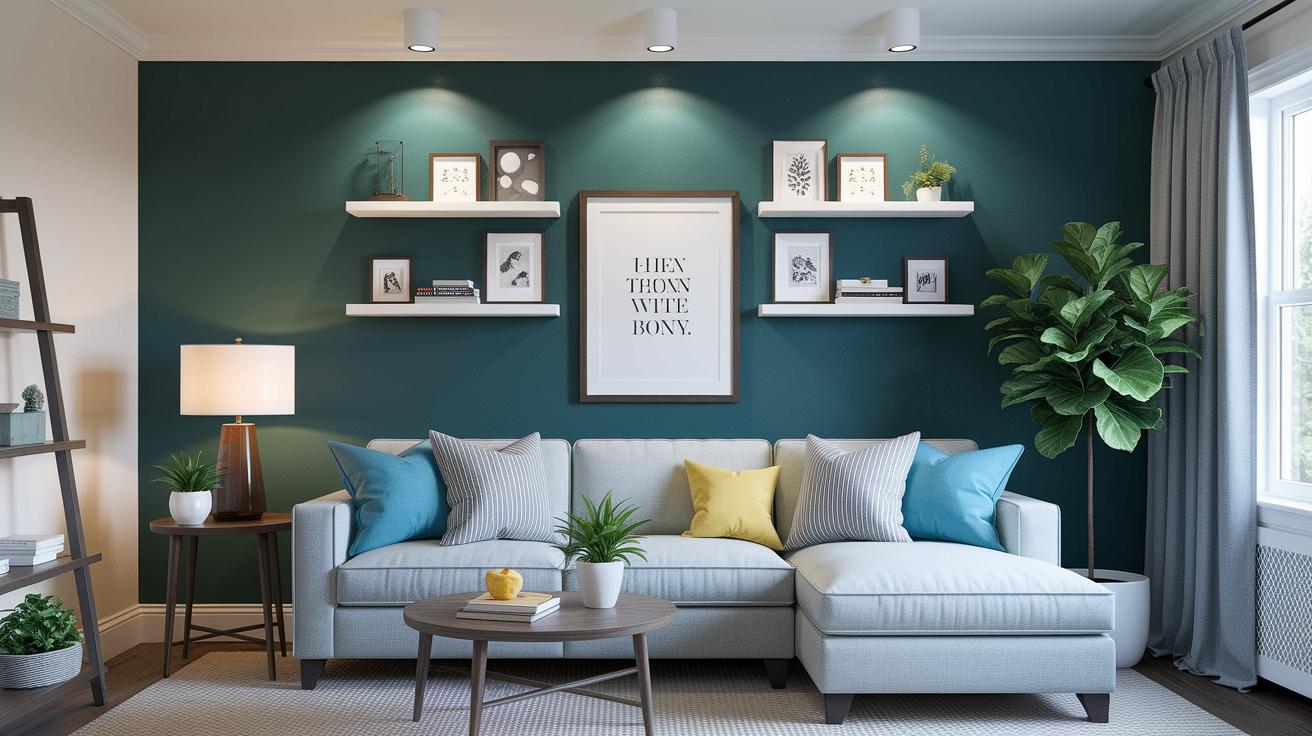
Directed lighting can really make your accent wall stand out. Think of a perfectly aimed uplight or picture light that draws attention to the textured surface and vibrant tone, instantly turning your wall into a captivating feature in your room. When the right light hits its target, it creates a warm and inviting atmosphere that ties every design element together.
Consider a few ideas:
- Wall sconces or picture lights – these stylish fixtures naturally spotlight your wall's special details.
- Gallery-style framed prints – add a curated touch of art to break up large color areas.
- Floating shelves with curated objects – display your favorite treasures that add personal flair.
- Coordinating throw pillows or rugs – soft textures that beautifully complement the wall’s bold impact.
Thoughtful furniture placement also plays a big part in boosting your accent wall's charm. When you position key items nearby, it creates balance and naturally leads the eye to the wall. Imagine a cozy seating nook or a sleek media unit placed just right – it not only highlights the wall’s unique style but also brings every part of your space into harmony.
Budget and DIY Tips for Accent Wall Projects

You don’t need a big budget to create an eye-catching accent wall. With updates available for under $200, you can transform a plain wall into a stunning focal point without breaking the bank. A bit of creativity and planning can turn a simple surface into a statement piece that fits your home perfectly.
Getting the right tools matters. When you have quality rollers, painter’s tape, and good primer in hand, you dodge common mishaps like uneven coverage. And once your little toolkit is ready, you'll feel more confident about taking on the project step-by-step, saving money while achieving a sleek, professional look.
The paint you choose is just as important. Mid-range paints from trusted brands like Sherwin-Williams or Benjamin Moore offer a great mix of price and performance. They help you get that polished finish without stretching your budget. Here are some smart, cost-saving ideas to keep in mind:
- Buy sample-size paint pots to test colors
- Use leftover trim paint for accent touches
- Repurpose leftover materials like fabric or peel-and-stick panels for added texture
- Keep an eye out for seasonal paint sales or rebates
Happy decorating, and enjoy turning your wall into a work of art!
Maintenance and Refresh Strategies for Accent Walls
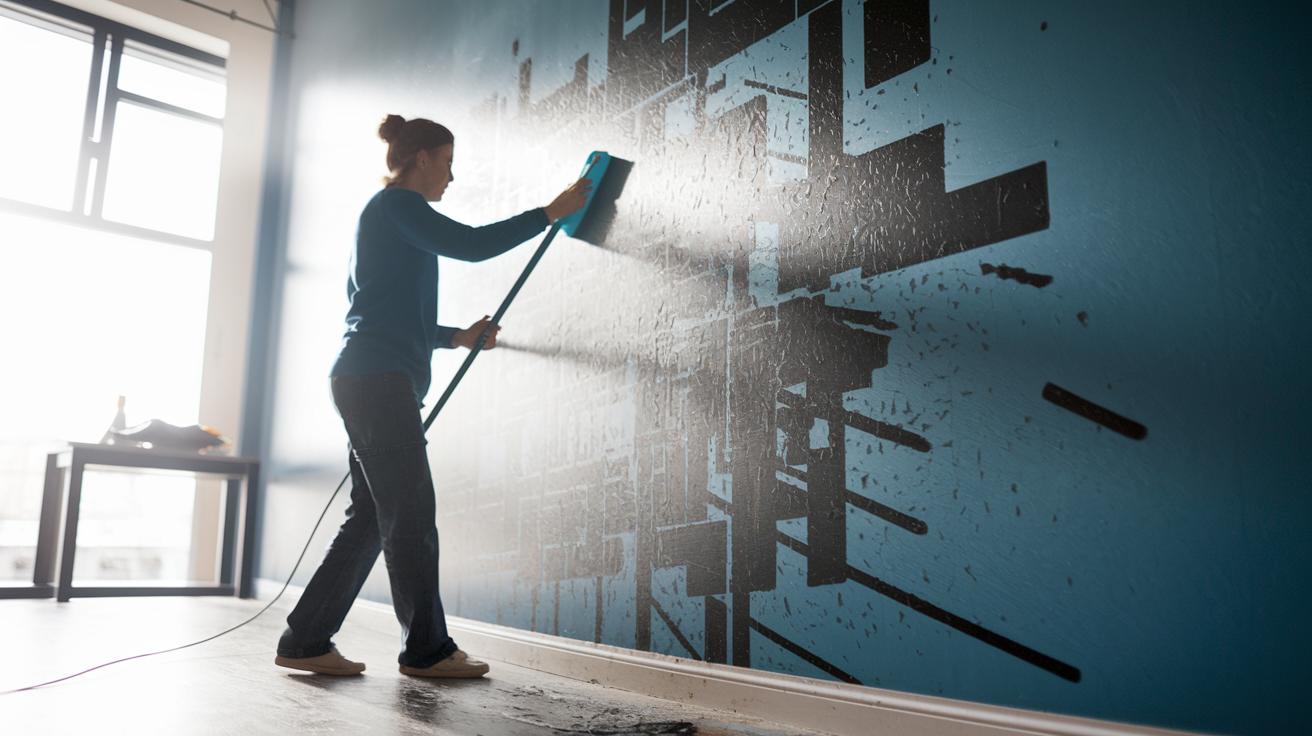
Everyday use can show on your favorite accent wall. Over time, little scuffs, scratches, and dust can make it lose that fresh, original look. Wallpaper might start to lift at the seams as the glue weakens, and painted walls can need some touch-ups to stay vibrant. It’s those small details that can change the whole vibe of your space, so it’s important to keep your standout wall feeling lively and part of your style.
Try these quick tips:
- Dust or gently wipe it down every day
- Use spot-repair paint for those annoying scuffs
- Re-seal or even replace the seams on wallpaper
- Update your lightbulbs to keep the color just right
- Rotate art or textiles for a fresh, new look
Scheduling regular check-ins is a smart and easy way to make sure your wall stays at its best. Every few months, take a few moments to see if it needs a little refresh. This simple routine helps maintain a focal point that keeps adding style and energy to your room.
Final Words
In the action, the post broke down the steps to create a standout wall. It covered everything from identifying the perfect wall and picking just the right hue to adding texture, planning the layout, and brightening up your design with light and accessories.
We also touched on keeping costs in check and refreshing your look over time. Every tip is designed to help you learn how to choose an accent wall that amps up your style and creates a chic, inviting space.
FAQ
How do you choose an accent wall for various spaces like a living room, small bedroom, or small bathroom?
Choosing an accent wall means spotting the room’s natural focal point, often behind main furniture, while ensuring an uninterrupted surface that works well with different room sizes and layouts.
Which wall should serve as the accent wall in a bedroom?
The accent wall in a bedroom is best placed behind the headboard. This wall choice draws focus and establishes a natural backdrop for the room’s overall design.
What is an accent wall and what is the rule for designing one?
An accent wall is one that stands out to create a focal point in a room. A common guideline is to balance a bold element with the remaining subtle walls so the overall look remains cohesive.
What are some accent wall ideas and tips on using accent wall paint?
Accent wall ideas range from bold paint colors to textured finishes. Testing sample hues under various lighting conditions ensures your chosen accent wall paint enhances the room’s decor.
Which wall color never goes out of style?
A soft gray, a timeless neutral, never goes out of style. It serves as a clean, versatile backdrop that pairs beautifully with more striking accent walls.
What should you avoid doing with an accent wall?
Avoid overcrowding your accent wall with too many patterns or heavy decor, and steer clear of improper placement that disrupts the room’s balance, as simplicity keeps the focus clear.
Does an accent wall make a room look bigger or smaller?
An accent wall typically enlarges a room’s feel by drawing attention without overwhelming the space, although overly intense colors in small areas may create a more confined impression.