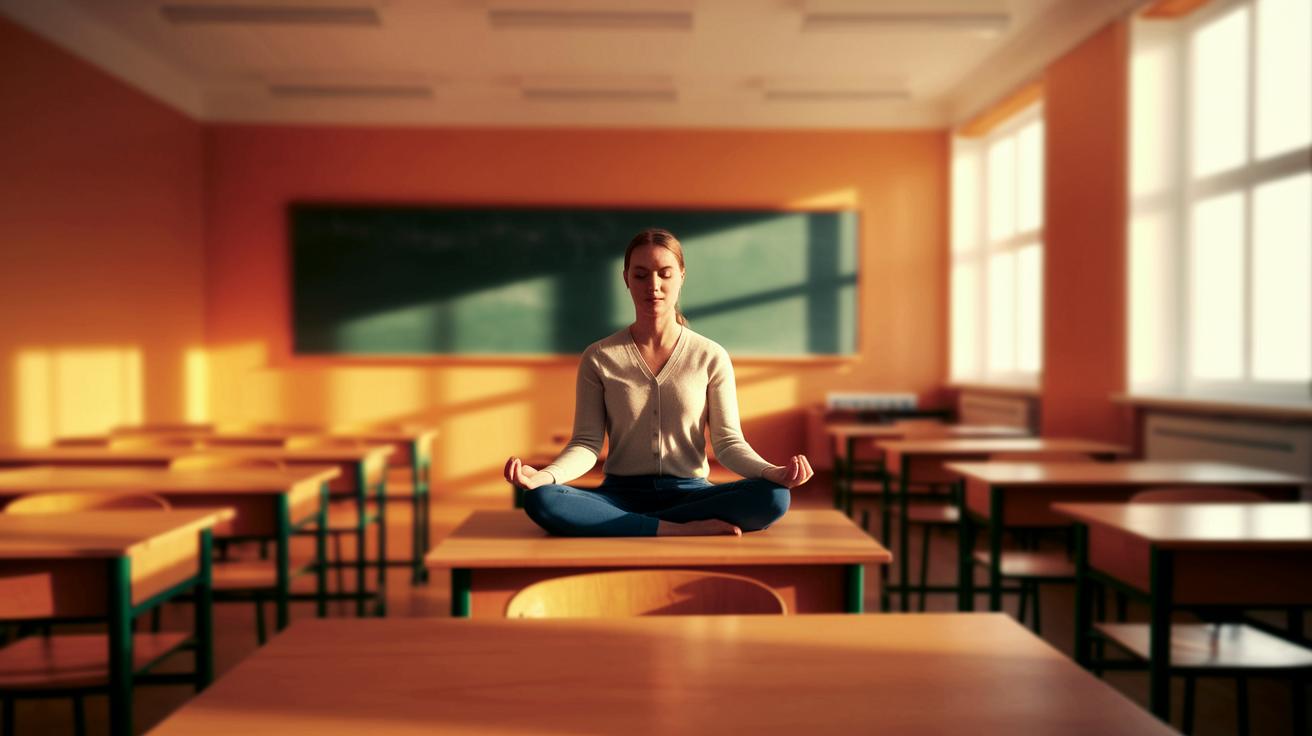
Ever feel completely worn out after a long day in the classroom? I know teaching means you often put everyone else first and forget to take care of yourself. Imagine if you could lift your energy with just a few small changes, maybe writing a quick note of thanks to yourself or pausing for a mindful, deep breath.
Self-care isn’t just a treat; it’s a smart way to keep your spark alive. This guide is packed with easy tips to lower your stress and boost your well-being so you can feel refreshed and ready to take on each new day.
Comprehensive Self-Care Guide for Teachers

Practical Self Care Strategies
Teaching is hard work. Heavy workloads, challenging behavior, and extra duties can sap your energy, even on your best days. But taking small, smart steps can help you feel more energized and bring a positive vibe to your classroom. Here are some practical tips to try:
- Set clear boundaries between work and home
- Write in a gratitude journal every day
- Spend a few minutes reflecting on your day before bed
- Focus on what you can control
- Build strong, supportive relationships with colleagues
- Make room for regular physical activity
- Take time for professional growth when you can
It might seem tough to squeeze in a bit of self-care, but even a 10-minute gratitude journal session or a quick reflection on your wins can feel like a mini reset. Just like a brief stretch can relax tight muscles mid-day, a short break can recharge your spirit.
Mindfulness Practices
When your day gets hectic, a mindful breathing break can work wonders. Try this four-step rhythm: breathe in slowly for four counts, hold for four, exhale for four, and then pause for four. Even a quick 3- to 5-minute routine like this can help you feel calm and in control. Imagine pausing between classes, closing your eyes, and taking that deep, steady breath, it’s a gentle reminder that you’ve got this.
If you’re craving a bit more quiet time, a 5-minute guided meditation before your first class or after you finish work can create a peaceful mental space. And when stress starts piling up, progressive muscle relaxation, where you tense and then release different muscle groups, can help melt the tension away, one body part at a time.
Work–Life Balance Techniques
Finding a healthy work–life balance is all about setting clear start and end times. For example, decide that after 7 PM, all school emails will wait until tomorrow. This simple rule gives you space to relax and enjoy time at home. Taking short, intentional breaks during prep periods can also make a big difference. Even a quick two-minute pause to stretch and breathe acts like a mini-vacation for your mind.
Planning a weekly self-renewal ritual, whether that’s a walk in the park, a little painting session, or some quiet reading time, can feel like booking a coffee date with yourself. These moments let you recharge, so you return to the classroom refreshed and inspired.
Burnout Prevention Strategies
Keeping burnout at bay is a must for a rewarding teaching career. Aim for 150-300 minutes of moderate exercise spread throughout the week, even a brisk walk or a short home workout can lift your mood. Investing in professional development, like attending a workshop or taking a class, not only builds your skills but also adds fresh energy to your day.
Don’t forget the power of a supportive peer network. Chatting with colleagues who understand your challenges can serve as a built-in cheer squad. And if you take a few minutes at the end of the day to jot down one thing that went well, it acts as a mental high-five that keeps burnout far away.
Building Mental Resilience and Emotional Wellbeing
Long days can wear you down, but little habits can make a big difference. Try ending your day by writing down three things you’re grateful for, whether it’s a kind smile from a student or a fun classroom moment. This simple practice brightens your mood and creates a more harmonious environment.
It also helps to lean on support from outside your usual circle. Regular chats with a mentor, joining a support group, or engaging in peer mentoring can offer fresh perspectives and comfort when things feel overwhelming. These moments of connection remind you that you’re strong, capable, and ready to inspire every day.
Teacher Rejuvenation Activities Beyond the Classroom

Teachers, we know how wild your day can be. Even a few minutes of creative time, like doodling, jotting a journal entry, or playing around with a favorite tune, can totally reset your mood. Imagine winding down after a long day by sketching how you feel or writing a tiny story that captures a moment of inspiration. It might seem small, but these little bursts of creativity can spark a refreshing change even when your schedule is jammed.
And don’t forget the magic of off-duty self-care. Picture a cozy night at home turning your living space into a mini spa with calming scents, or an evening where a book club discussion flows as freely as a late-night chat with friends. Even a casual meet-up that brings laughter can lighten your spirit. By signing up for an online course or joining a local workshop, you not only learn something new but also open up a fresh way to relax and connect. These simple, heartfelt pauses remind you how important it is to care for yourself, both in and out of the classroom.
Final Words
in the action, this guide shows practical self care for teachers that fits into a busy schedule. We reviewed ways to set work-home limits, practice mindful breathing, and enjoy simple rejuvenation activities beyond the classroom. The tips, from gratitude journaling to quick reflective moments, offer a smart path for balancing a demanding career while still nurturing personal growth. Each strategy is a reminder to treat yourself with the care you deserve. Step by step, these ideas help turn a hectic day into one that feels manageable and rewarding.
FAQ
What self-care materials are available for teachers in PDFs, PPTs, and articles?
Self-care materials include PDFs, PowerPoints, and articles that offer practical examples and clear strategies for balancing a busy teaching schedule.
What creative self-care gifts can teachers consider?
Creative self-care gifts for teachers range from calming aromatherapy sets and inspirational journals to wellness kits that inspire daily moments of peace and focus.
How important is self-care for teachers?
Self-care is crucial for teachers because it builds emotional resilience, helps prevent burnout, and keeps you energized for handling classroom challenges and personal growth.
What are the seven self-care strategies recommended for teachers?
The seven self-care strategies include setting firm work boundaries, gratitude journaling, end-of-day reflection, accepting uncontrollable factors, nurturing colleague support, regular exercise, and professional development.
What self-care essentials should teachers incorporate?
Self-care essentials for teachers cover practical strategies like mindfulness breaks, balanced work-life habits, regular physical activity, and supportive practices to maintain emotional well-being.
What is the 10 minute rule for teachers?
The 10 minute rule for teachers involves taking a short break when stressed to clear your mind, allowing you to return to class with renewed focus and calm.
What is the 3/2-1 method for teachers?
The 3/2-1 method for teachers breaks a brief pause into 3 minutes of thoughtful reflection, 2 minutes of deep breathing, and 1 minute of positive affirmation to ease stress.
How does the 80/20 rule of teacher talking time work?
The 80/20 rule suggests that teachers spend 80% of the time listening and 20% speaking, which encourages student engagement and reduces classroom management stress.