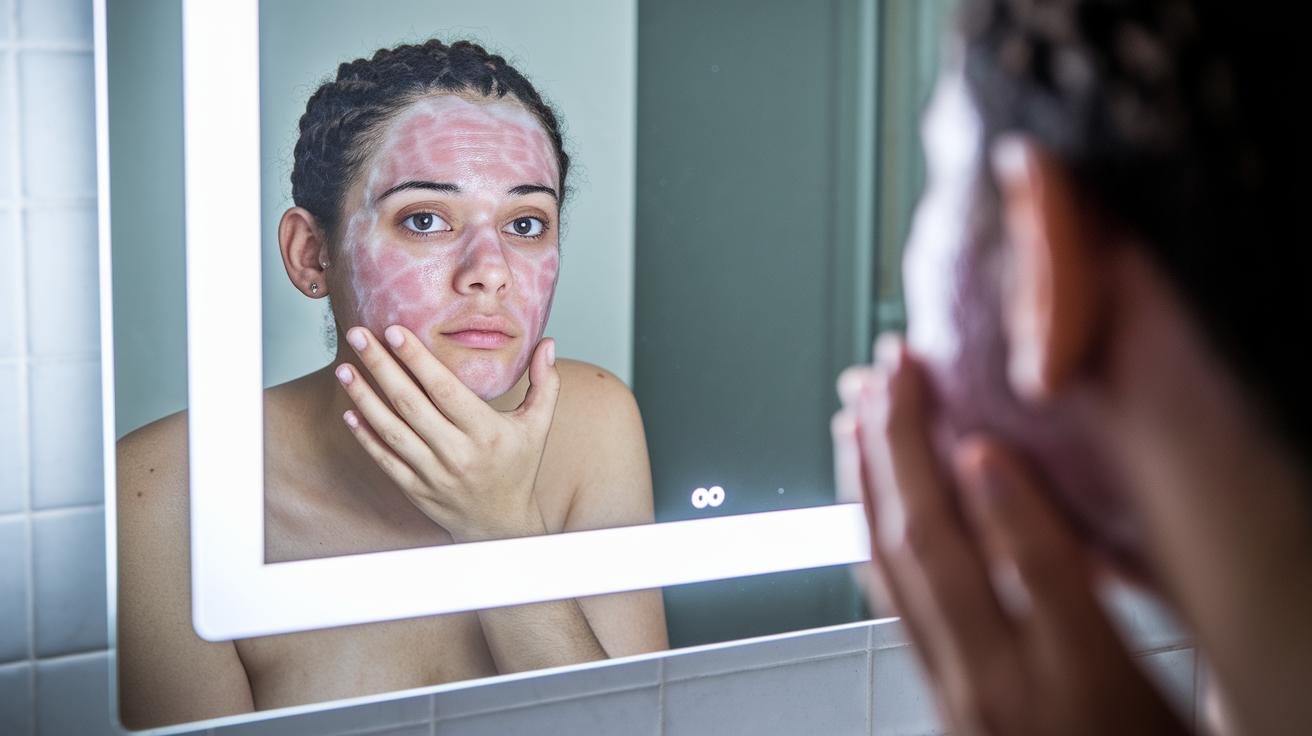
Ever wondered if those early breakouts might be your skin giving itself a deep clean? When you start using active ingredients, you might notice a few extra blemishes popping up before your skin starts to glow.
It’s a bit like cleaning a window. At first, every little smudge shows up until you finally wash away all the dirt. In this post, we'll chat about skin purging and how this short phase can lead to clearer, healthier skin.
Let’s take a fresh look at what’s really happening beneath the surface.
Skin Purging Explained: Definition, Causes, and Key Features
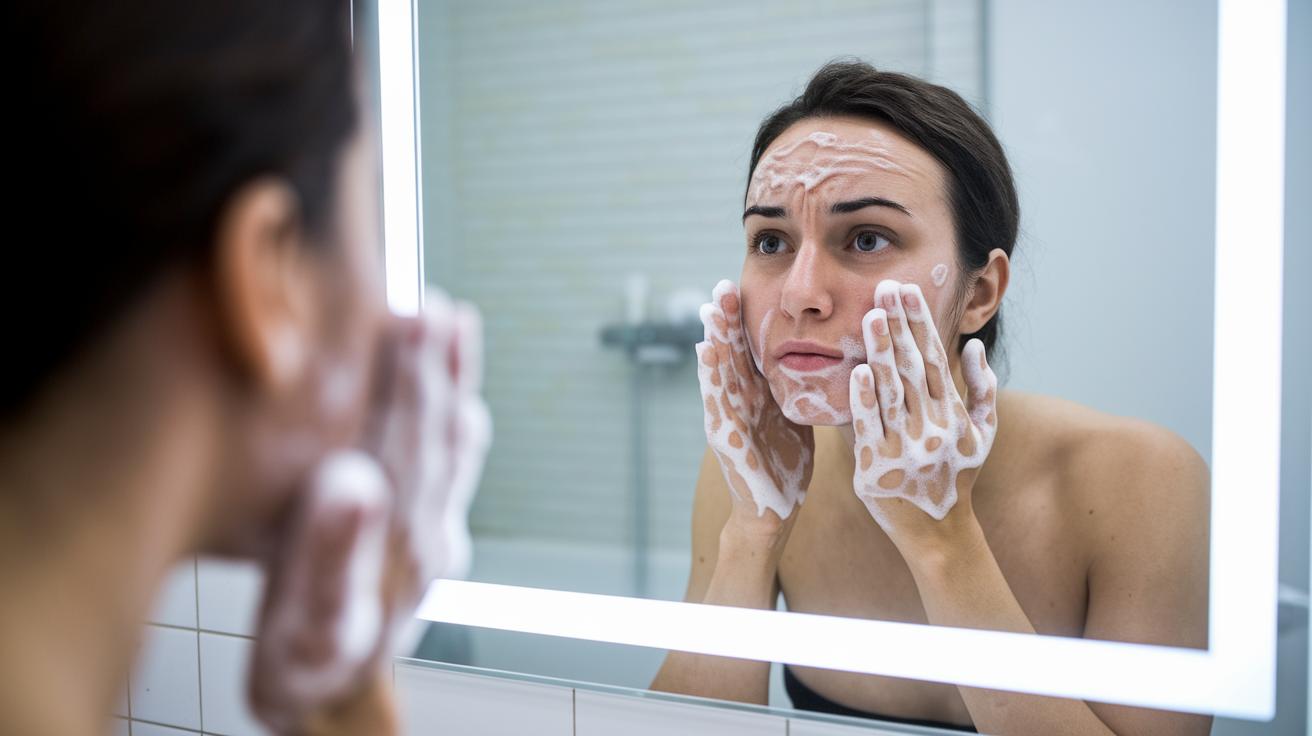
Skin purging is like your skin’s brief, honest clean-up phase. When you use active ingredients such as tretinoin or azelaic acid (which help speed up cell turnover), they push old, clogged pores to the surface. Imagine your skin as a window getting a deep wash, the dirt shows up for a bit before it all disappears.
Triggers for purging commonly include retinoids and salicylic acid. These ingredients boost your skin’s renewal process, so areas where you usually break out might show extra blackheads or tiny pimples at first. It’s kind of like scrubbing a countertop, it looks messy initially as all the grime surfaces, but that’s the sign of a deep clean in progress.
This phase generally lasts about 4 to 6 weeks, following your skin’s natural renewal cycle. If you’re noticing breakouts beyond 6 to 8 weeks, it might be more than just purging, it could be a reaction. That’s usually a good cue to pause and adjust your routine so your skin can settle into a healthier groove.
Recognizing Skin Purging: Symptoms to Watch
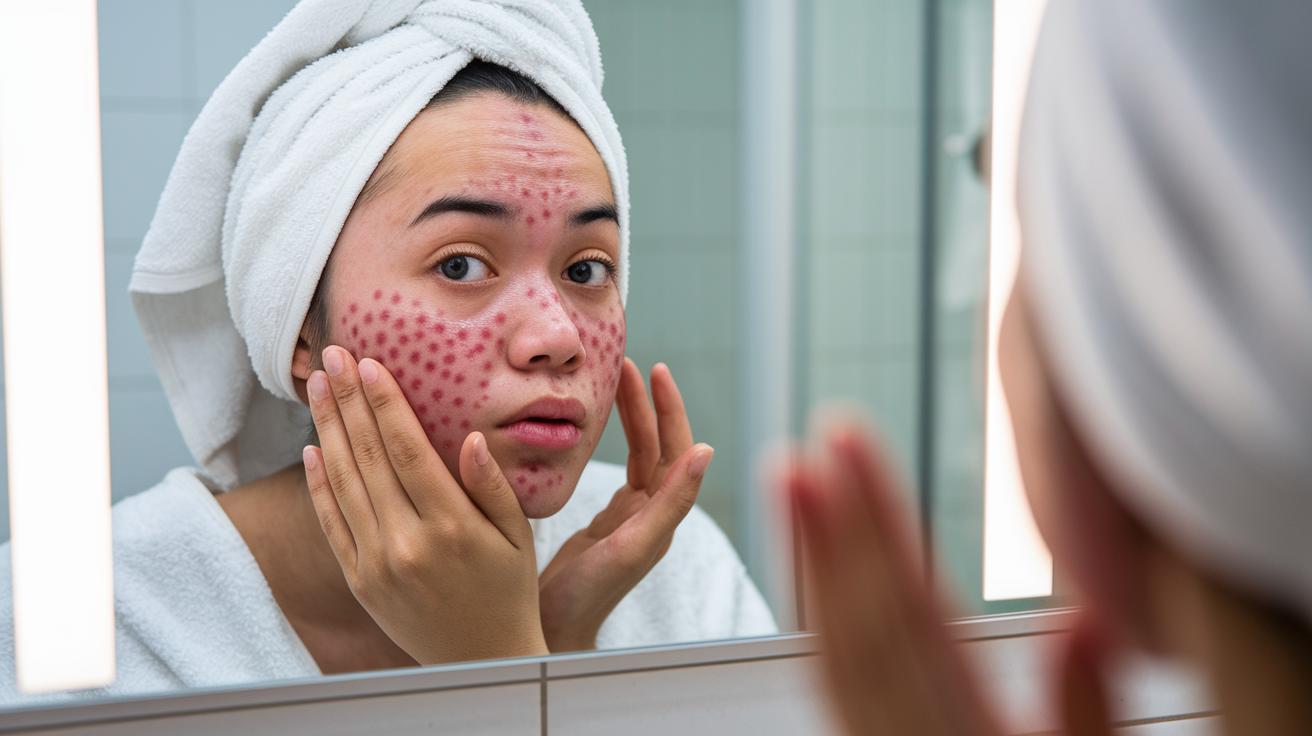
Have you ever noticed your skin acting up and wondered what’s really going on? When your skin starts purging, it’s just working hard to clear out impurities. Catching these early signs means you can tweak your routine without getting too worried.
Your skin purge might show up with these clues:
- Blackheads reappearing in your usual breakout zones
- Small, non-red pimples making an appearance
- Tiny red bumps with a bit of mild irritation
- Dry patches that feel flaky
- A heightened sensitivity or even a slight tingling sensation
- A quick start to the breakout that heals faster than normal acne
A true purge typically happens where your skin is already a bit congested. And while a regular breakout might show up in new spots because of hormones or other triggers, purging sorts itself out quickly since your skin’s cells are renewing faster than usual. Keeping an eye on these signs simply helps you stick with your routine, knowing that your skin is just adapting and working toward a healthier glow.
Skin Purging vs. Regular Breakouts: Key Differences
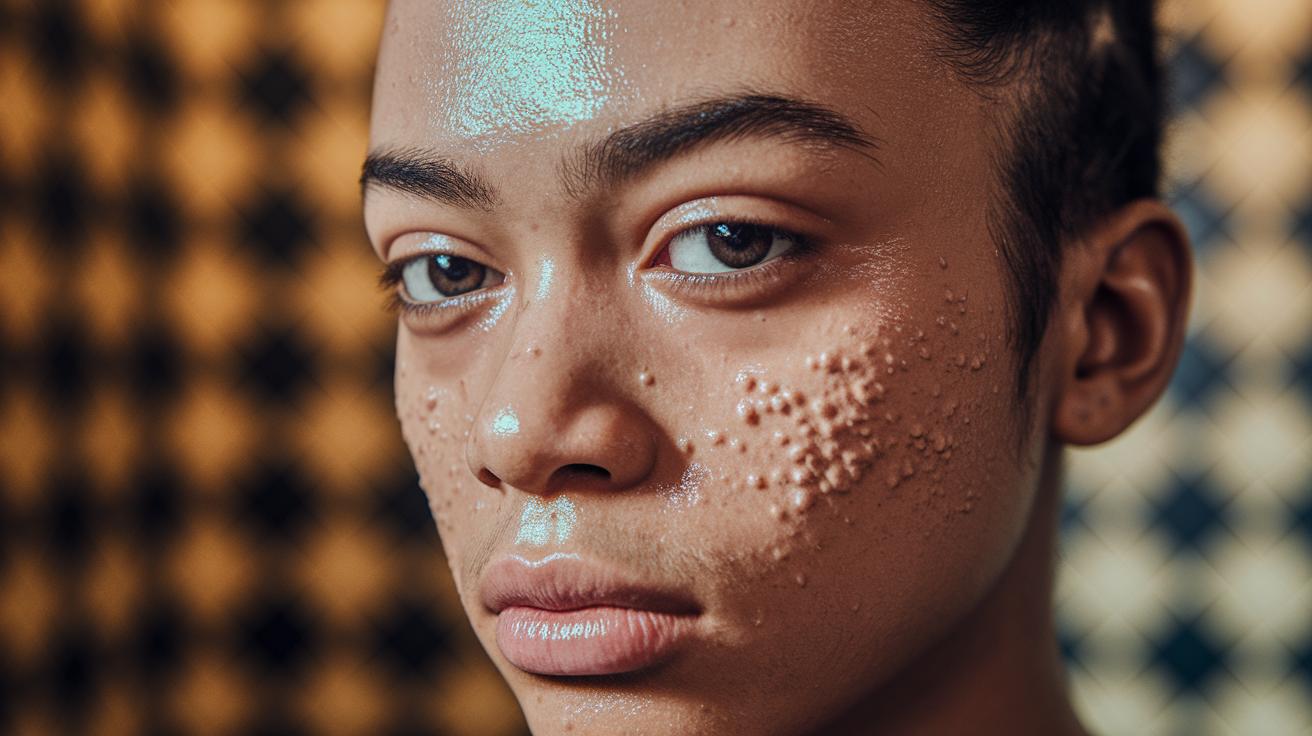
Have you ever started a new treatment and noticed extra blemishes popping up in places you usually struggle with? That’s likely a treatment-triggered purge. When active ingredients work their magic by speeding up skin cell turnover, they bring clogged pores to the surface, especially in areas that are already prone to breakouts. Think of those tiny blackheads or small pimples that tend to show up unexpectedly but clear out in about 4 to 6 weeks. I remember when I first tried a new serum, only my oily T-zone got a bit busier, and within a month, everything settled down.
Now, regular breakouts are a whole different story. They tend to pop up in spots you wouldn’t normally expect issues. These might result from shifting hormones or products that contain pore-clogging ingredients (that’s what “comedogenic” means). This type of breakout can be deeper and often goes through a cycle of inflammation and healing over several weeks. For example, if you notice new spots on your cheeks that seem to stick around longer than usual, it might just be your skin reacting the regular way.
If you’re trying to tell the difference, check if the changes only show up in areas that were already a bit congested and if the skin clears up within that 4 to 6-week window. On the flip side, if your skin feels like it’s burning, stays red, or feels unusually tight after using a product, that’s a sign it might be irritation or a reaction rather than a true purge.
Skin Purge Timeline: Stages and Duration
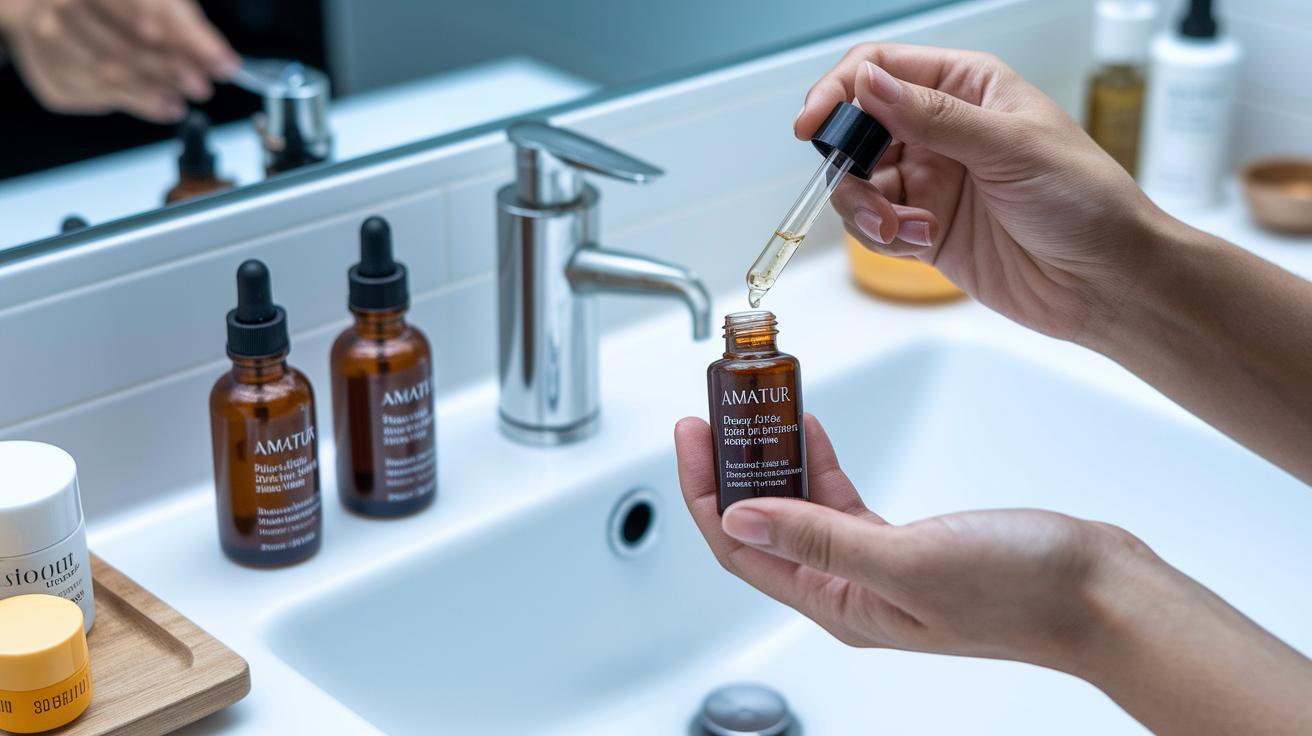
When you start a new skincare routine with active ingredients, it's good to know what to expect. These ingredients work by speeding up cell turnover (the process where old cells are replaced by new ones) and gradually push hidden impurities to the surface. It happens in clear stages that follow your skin’s natural renewal process. This way, you can be patient, enjoy the changes, and even know when to chat with a professional if things don’t look right after 4–6 weeks.
In the beginning, you might notice small breakouts or a bit of dryness. Then, as your skin adjusts, you could see more pimples and blackheads. Over time, things start to settle, and the breakouts decrease along with any flakiness, leading to a smoother, clearer look. If your skin keeps feeling irritated or doesn’t improve between 6–8 weeks, it might be time to reach out to someone who can help.
| Stage | Duration | Characteristics |
|---|---|---|
| Initiation | 0–1 week | Small breakouts and minor dryness |
| Escalation | 1–3 weeks | More pimples and blackheads appear |
| Stabilization | 3–4 weeks | Breakouts lessen; flakiness fades |
| Resolution | 4–6 weeks | Skin smooths out with a natural texture |
Keep an eye on your skin as it goes through these changes. Notice how the early breakouts slowly fade and your skin becomes less congested. Consistent progress means your routine is on track. And if you’re still seeing signs like burning or redness after a couple of months, don’t hesitate to get expert advice to help adjust your routine.
How to Manage Skin Purging with Your Skincare Routine
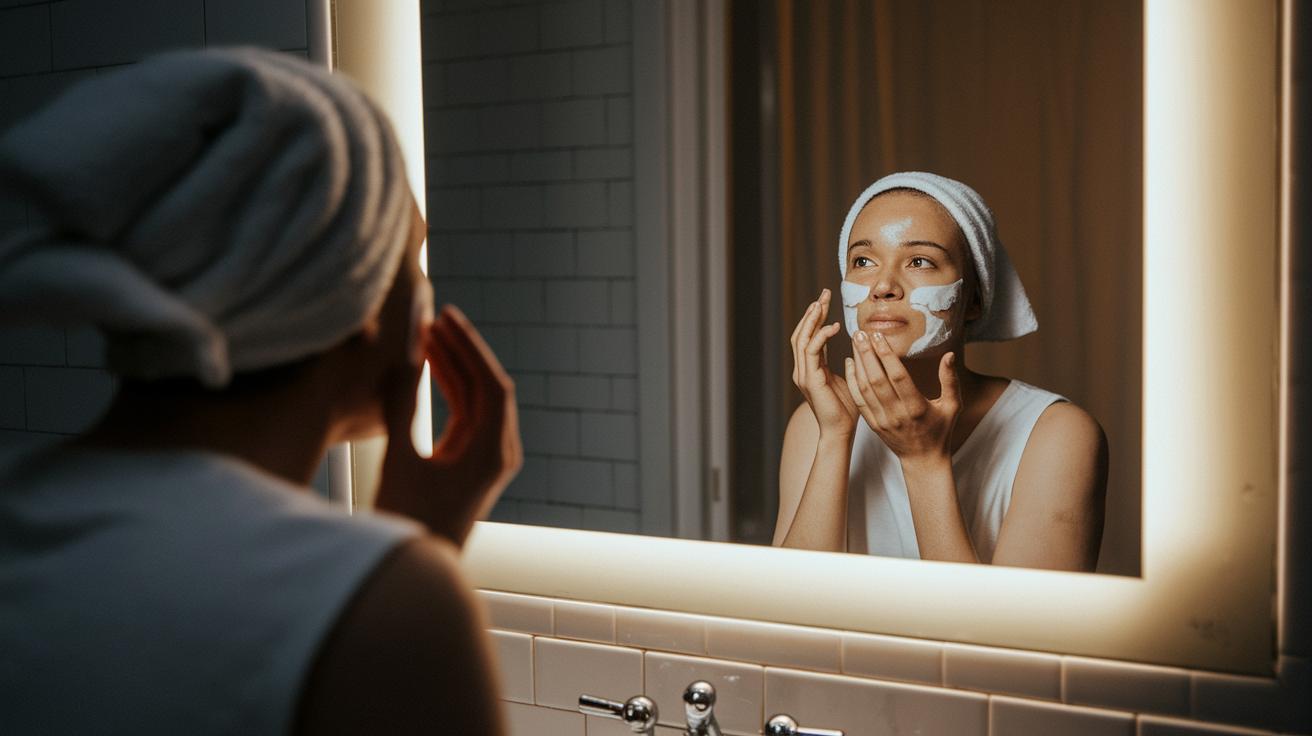
Sticking with your routine is the best way to help your skin through purging. I know it can be super annoying when you start seeing extra breakouts after trying a new product. But trust me, giving your skin time to adjust is key. When you use your products consistently, your skin gets the chance to settle in so those active ingredients can do their job. I once started using a retinoid and, at first, my skin flared up. By staying patient and keeping to my routine, I eventually noticed a clearer complexion.
Sometimes a few small tweaks can make a big difference. If you start feeling irritated, try cutting back on your actives by using them every other night instead of every night. And instead of scrubbing or layering too many strong ingredients like AHAs or BHAs, opt for a gentle, non-abrasive cleanser. (I even found a neat morning skincare routine for ideas at this link.) After you cleanse, let your skin air dry for about 20 minutes before you apply a light, water-based moisturizer. Adding a hydrating serum, like one with hyaluronic acid, which locks in moisture, or squalane oil, can really help soothe irritation without clogging your pores.
If you notice that the irritation sticks around or worsens, it might be time to scale back on the stronger products altogether. Gradually reducing the frequency of your active ingredients helps your skin ease out of the purge phase without extra discomfort. By keeping your routine steady and making these thoughtful adjustments, you can manage purging effectively and let your treatments do their work.
Ingredients That Trigger Skin Purging: What to Know
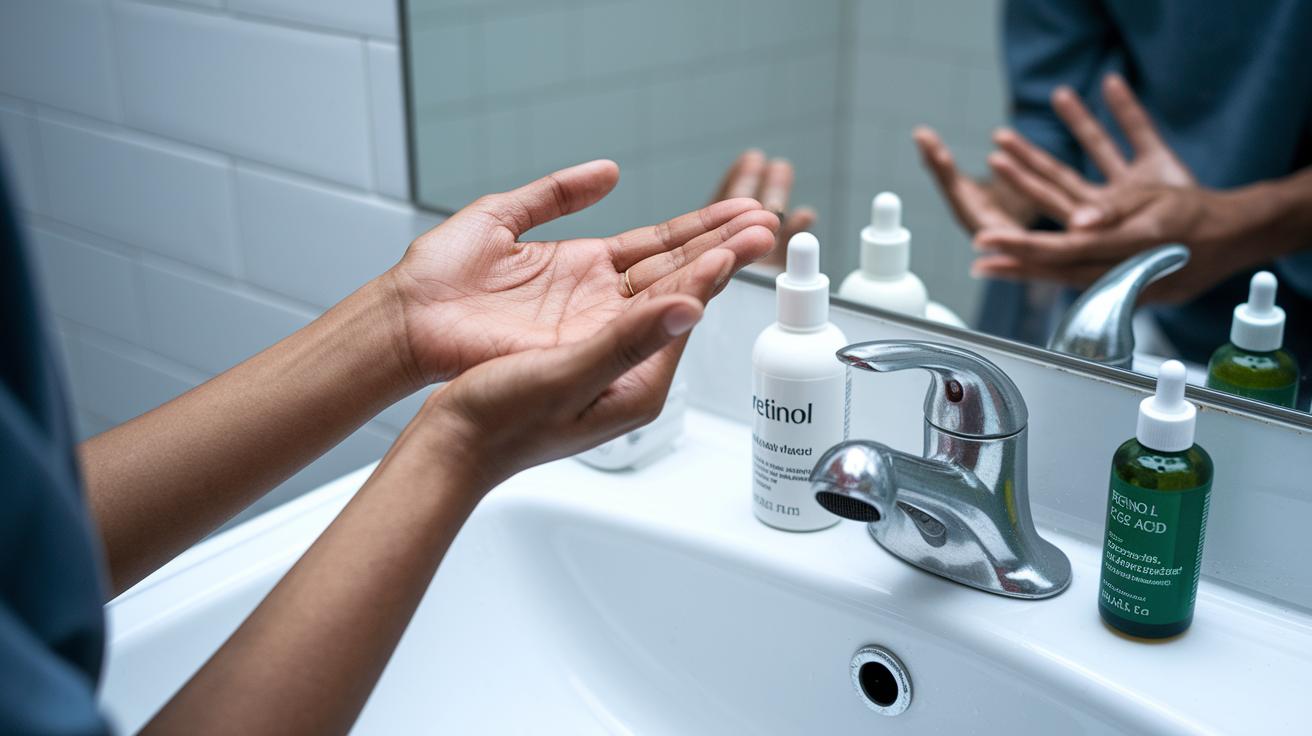
When your skin gets a boost from actives, it speeds up cell renewal and brings old imperfections to light. Those brief breakouts are a sign that your skin is clearing the way for fresh, new cells. Think of it like deleting old files to free up space for something exciting.
Ingredients like tretinoin, retinol, and azelaic acid, known as retinoids (agents that speed up cell turnover), can trigger a temporary flare-up in spots that are prone to breakouts. It’s a bit like updating your phone, there might be a few glitches at first, but everything smooths out in time.
Salicylic acid works deep in your pores by breaking down excess oil and dead skin cells. At the start, you might see a little breakout as these impurities come to the surface, much like a sponge that soaks up spillages before leaving a clean finish.
Be careful not to overload your skin with too many exfoliating products. Overdoing it can lead to irritation that isn’t a true purge at all. Imagine over-sanding a piece of wood, too much can damage its natural beauty. Keep things simple, and your skin will thank you.
When to Consult a Professional During Skin Purging
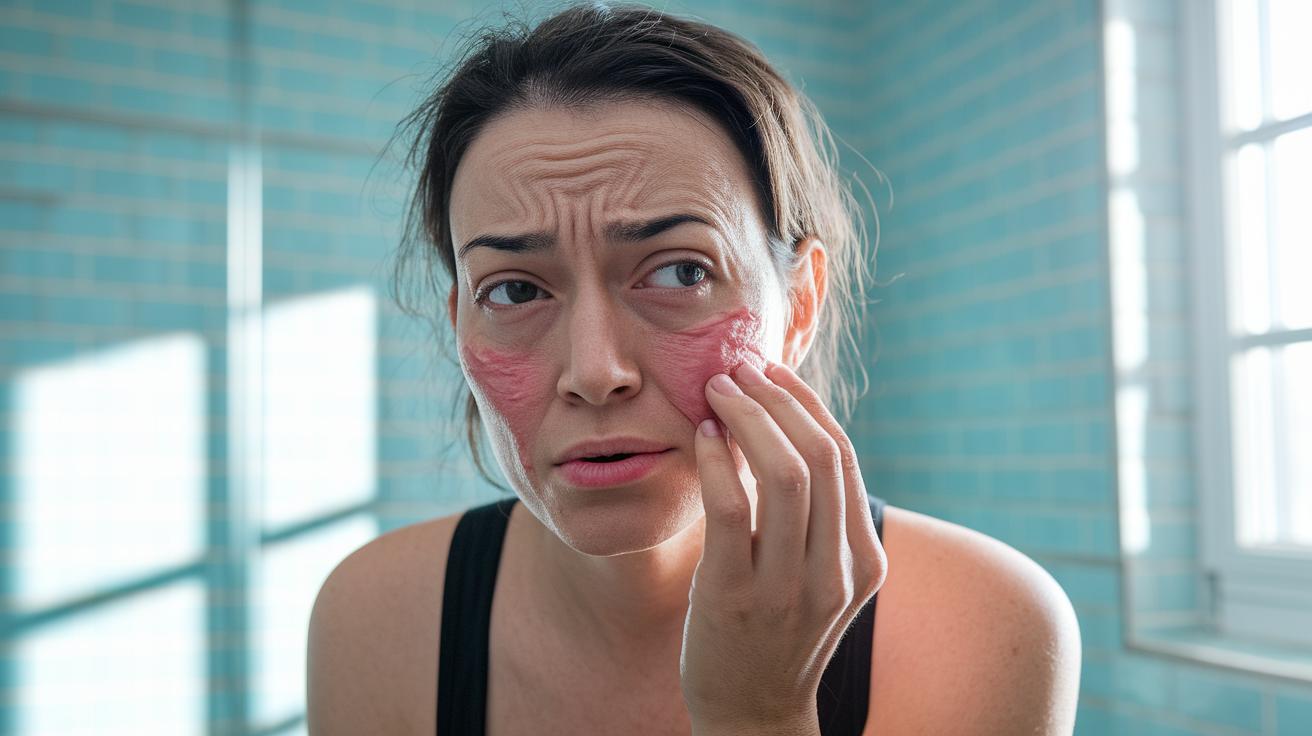
If your skin purging goes on for more than 6–8 weeks or if you notice a burning sensation and redness that stick around longer than a few minutes, it might be a sign your skin isn’t just clearing out, it could be reacting too strongly. You know that feeling when your skin seems extra sensitive or you start to see more breakouts? It might mean that the active ingredients in your products are a bit too tough for your skin right now.
At this point, it’s a smart move to check in with a dermatologist. They’ll take a close look at your skincare routine and might suggest dialing down the strength of active ingredients, swapping them out, or even pausing your treatment for a while. It’s like having a tailored plan to help your skin feel calm, balanced, and ultimately, more resilient.
Final Words
In the action, we explored skin purging by breaking down its causes, signs, and how it stands apart from regular breakouts. The article explained the stages of a purge and offered smart tweaks to your skincare routine so you can manage those active ingredients with confidence. We've unraveled the key features behind this natural process, giving you the know-how to watch your progress and know when to reach out for extra advice. Embrace skin purging as just a step toward a clearer, more confident you.
FAQ
What does skin purging look like and how do I know if my skin is purging?
Skin purging shows up as small dark spots, minor pimples, and red bumps in areas where you usually break out. It is a temporary flare that clears within 4 to 6 weeks, indicating that active ingredients are speeding up cell turnover.
Is skin purging good or bad for my skin?
Skin purging means your skin is reacting to active ingredients by bringing clogged pores to the surface. It is typically a sign of effective treatment rather than harmful irritation, as long as it resolves in a few weeks.
How long does skin purging last during treatment?
Skin purging usually lasts between 4 and 6 weeks, matching your skin’s natural renewal cycle. If the breakouts continue beyond 6 to 8 weeks, it might indicate a reaction rather than a normal purge.
Can ingredients like niacinamide or spironolactone cause skin purging?
Niacinamide tends to soothe rather than trigger purging, and spironolactone, which helps with hormonal acne, generally does not cause purging. Common culprits are actives that accelerate cell turnover.
How does skin purging differ from regular breakouts?
Skin purging happens in areas where you already tend to break out and resolves quickly as your skin renews itself. Regular breakouts, often from hormones or product reactions, may appear in new areas and follow a different cycle.